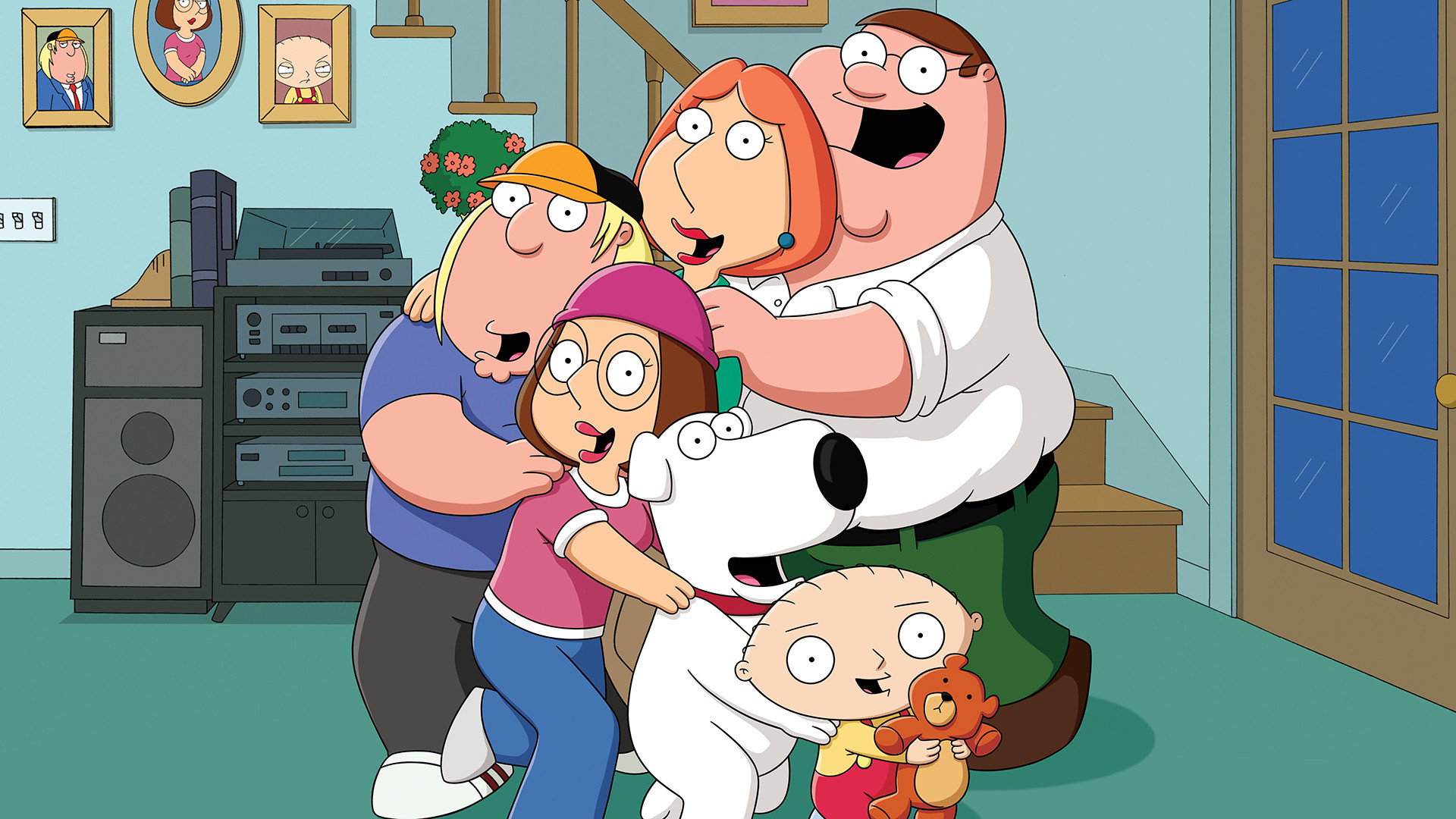
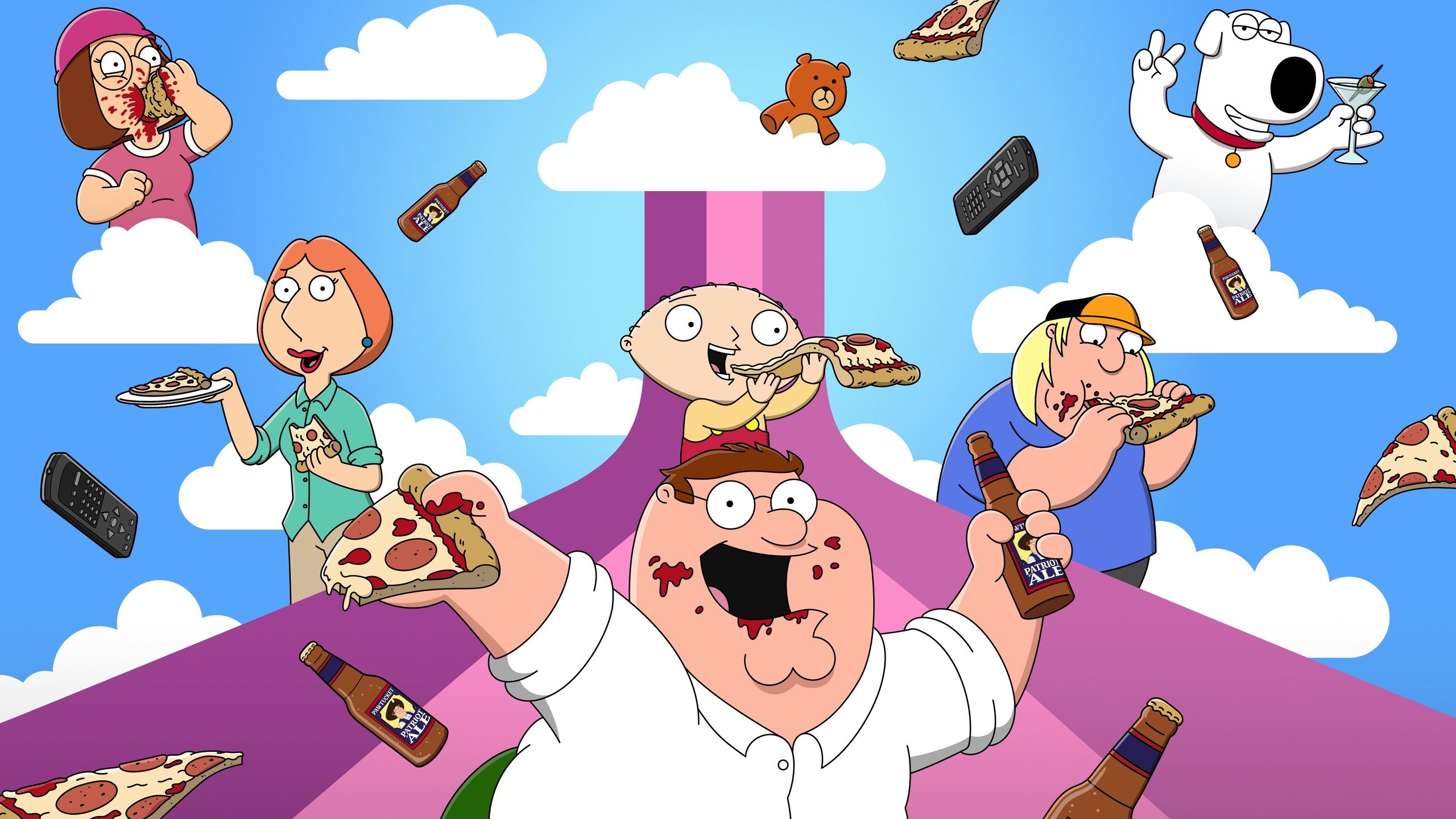
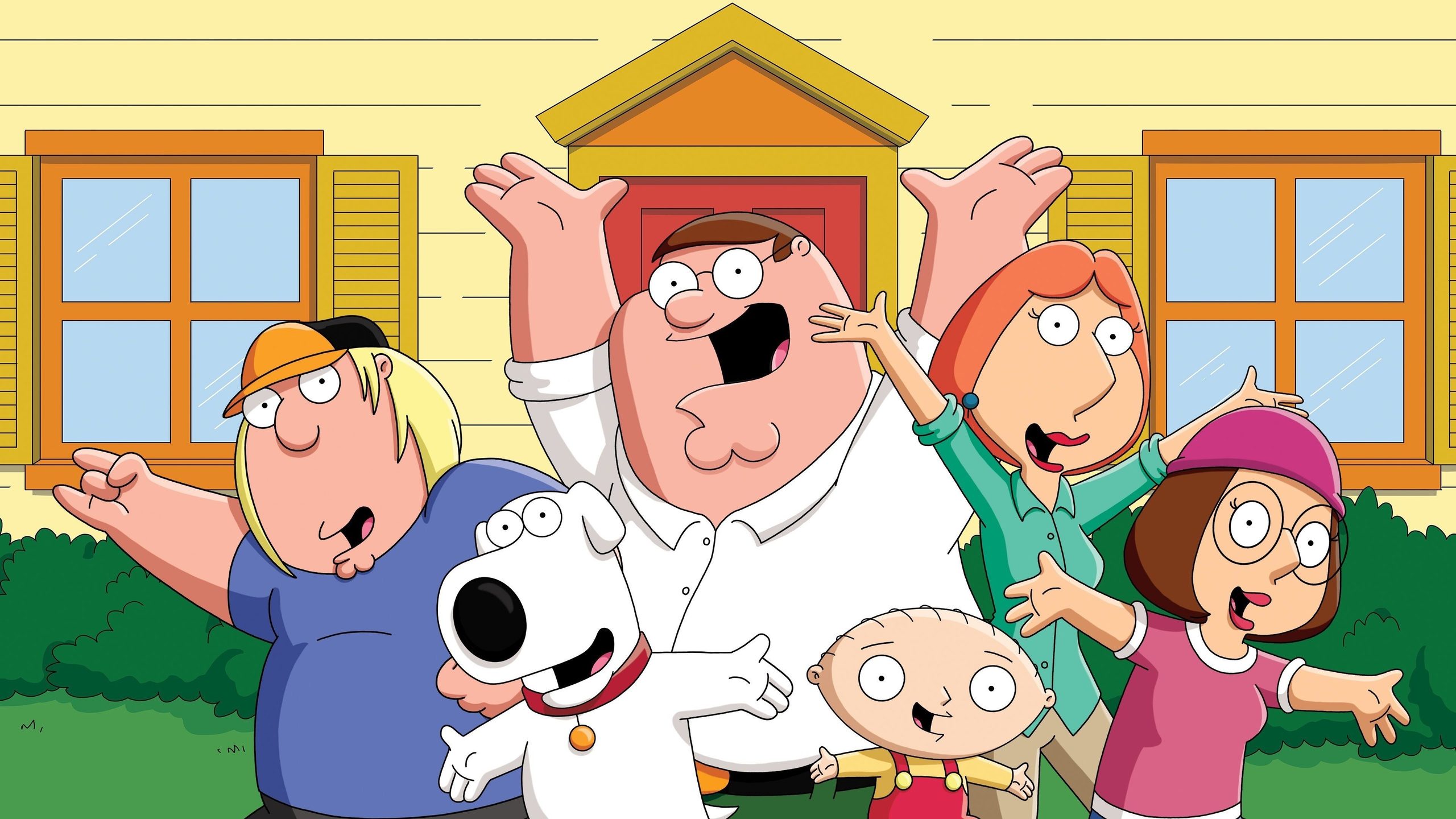
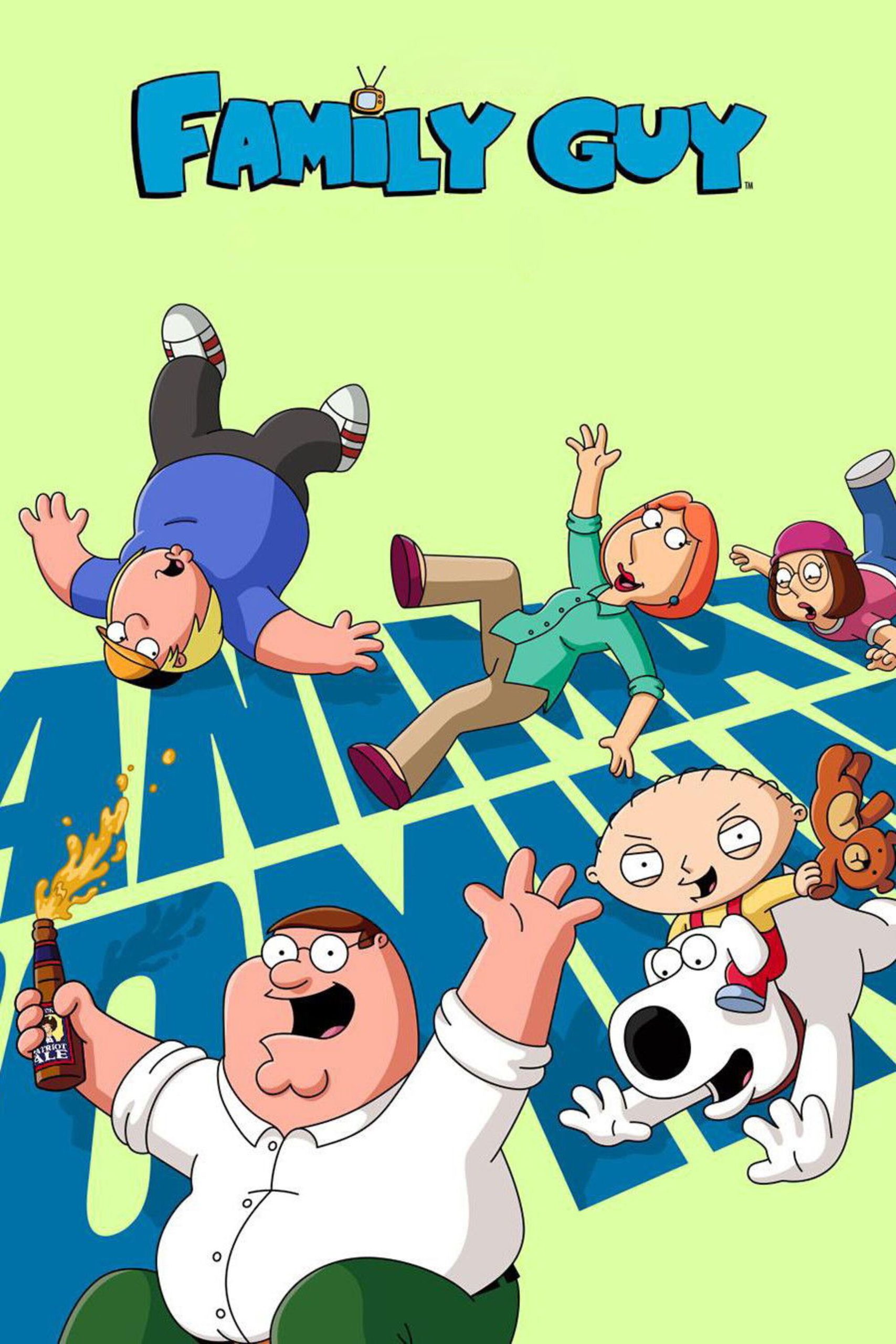
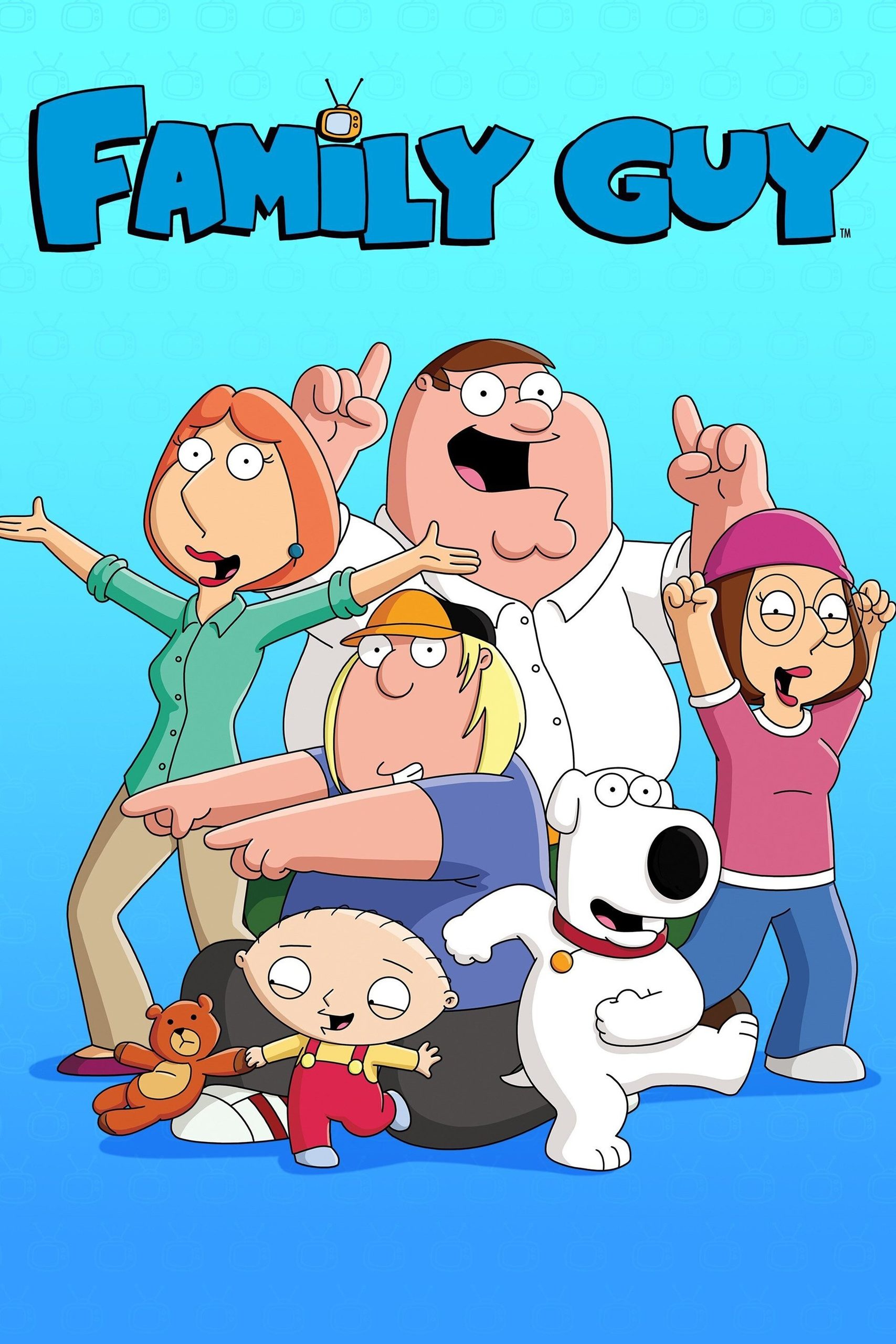
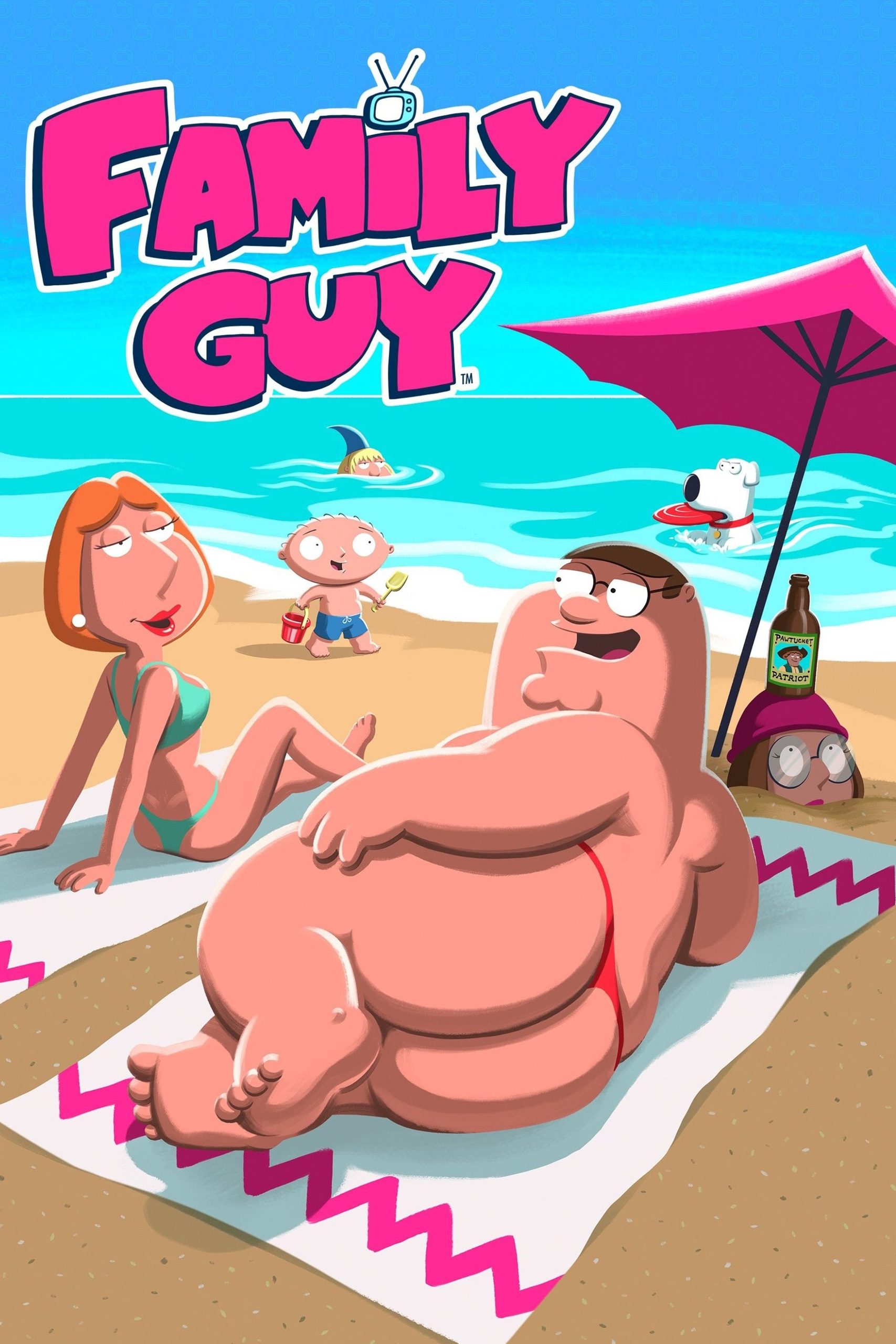
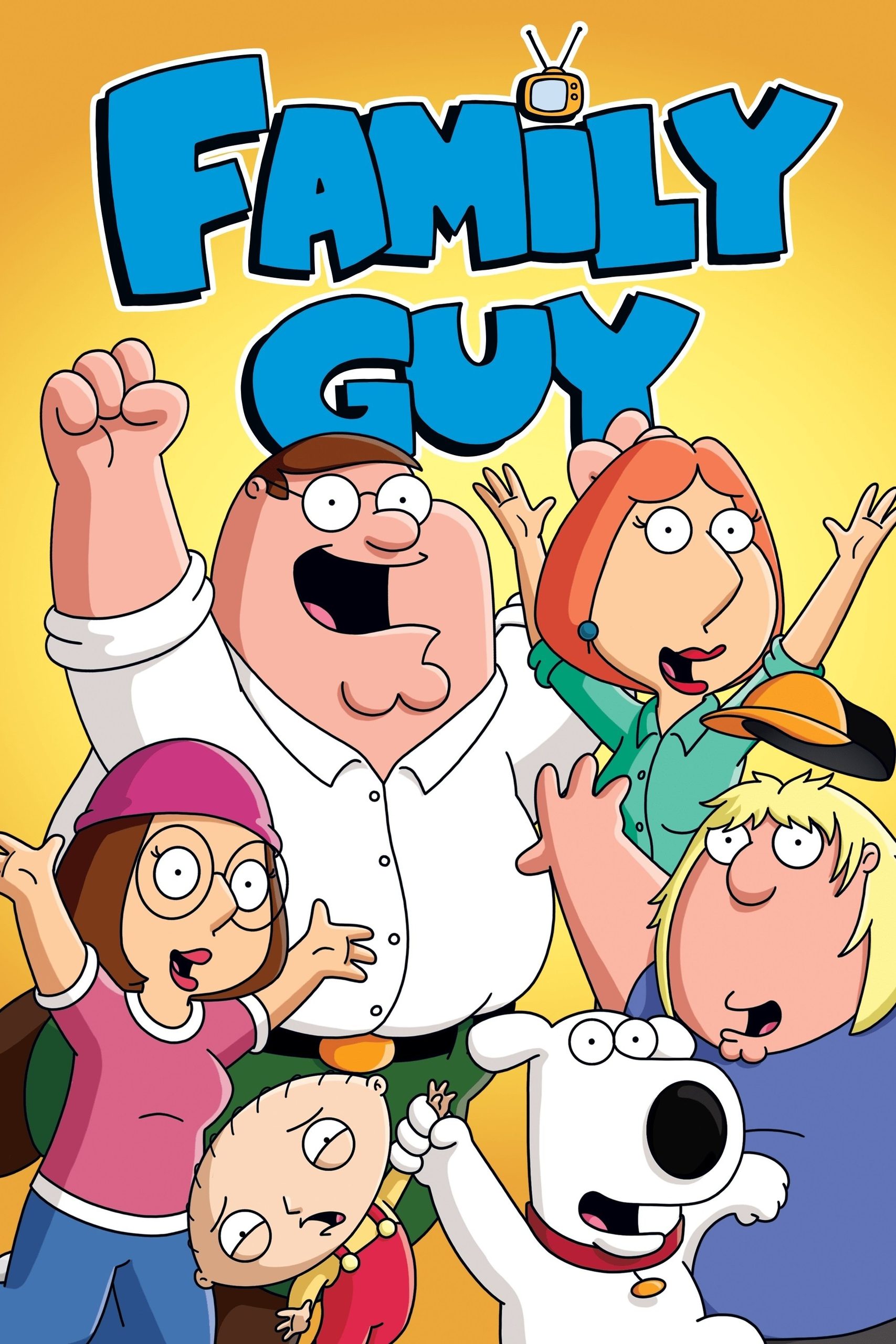
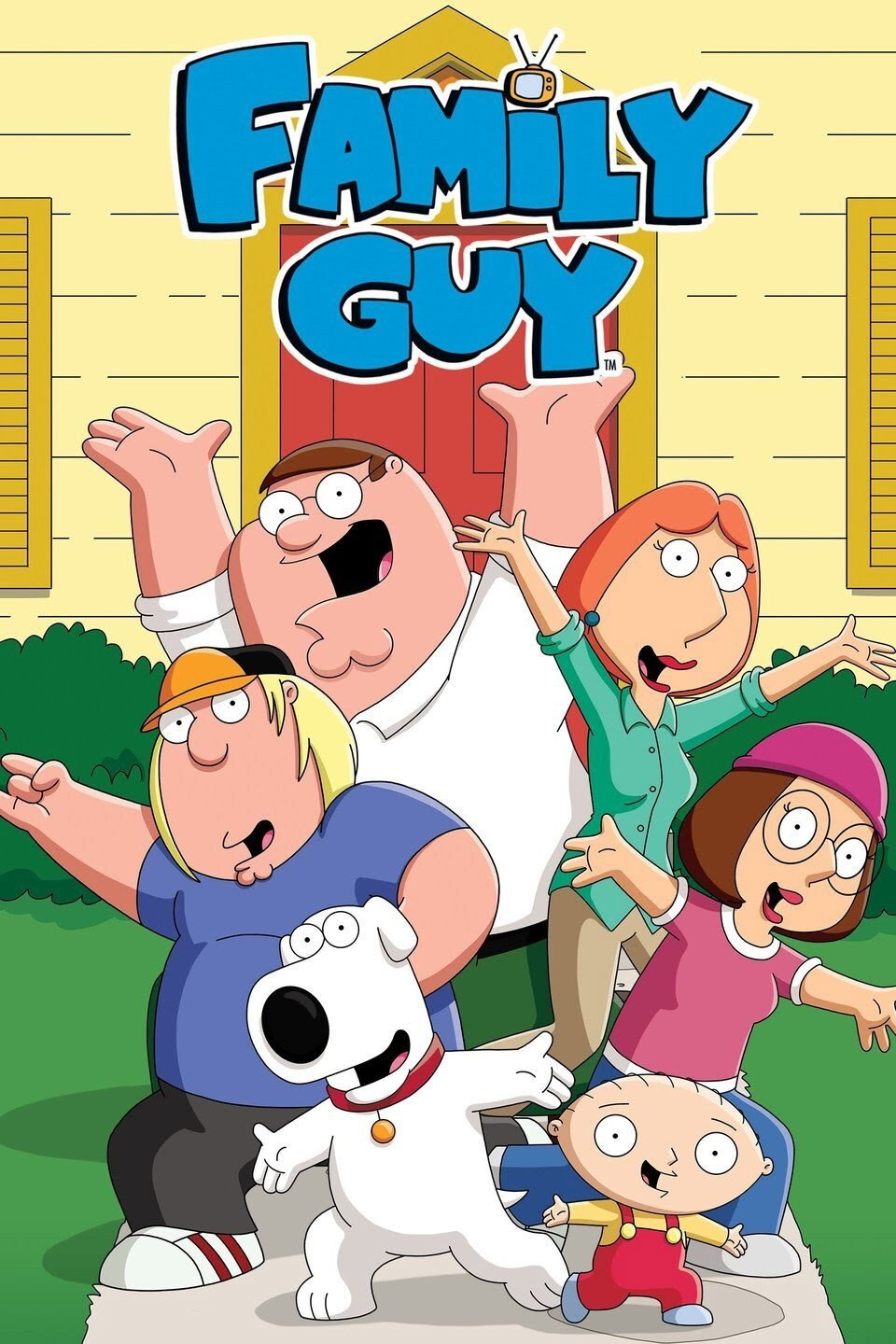
Seth MacFarlane’s animated sitcom is quick, crude and often funny, and it is built on a trick, the cutaway gag, that saves it from every dull scene and stops it ever building one. Stewie and Brian are the reason to keep watching.
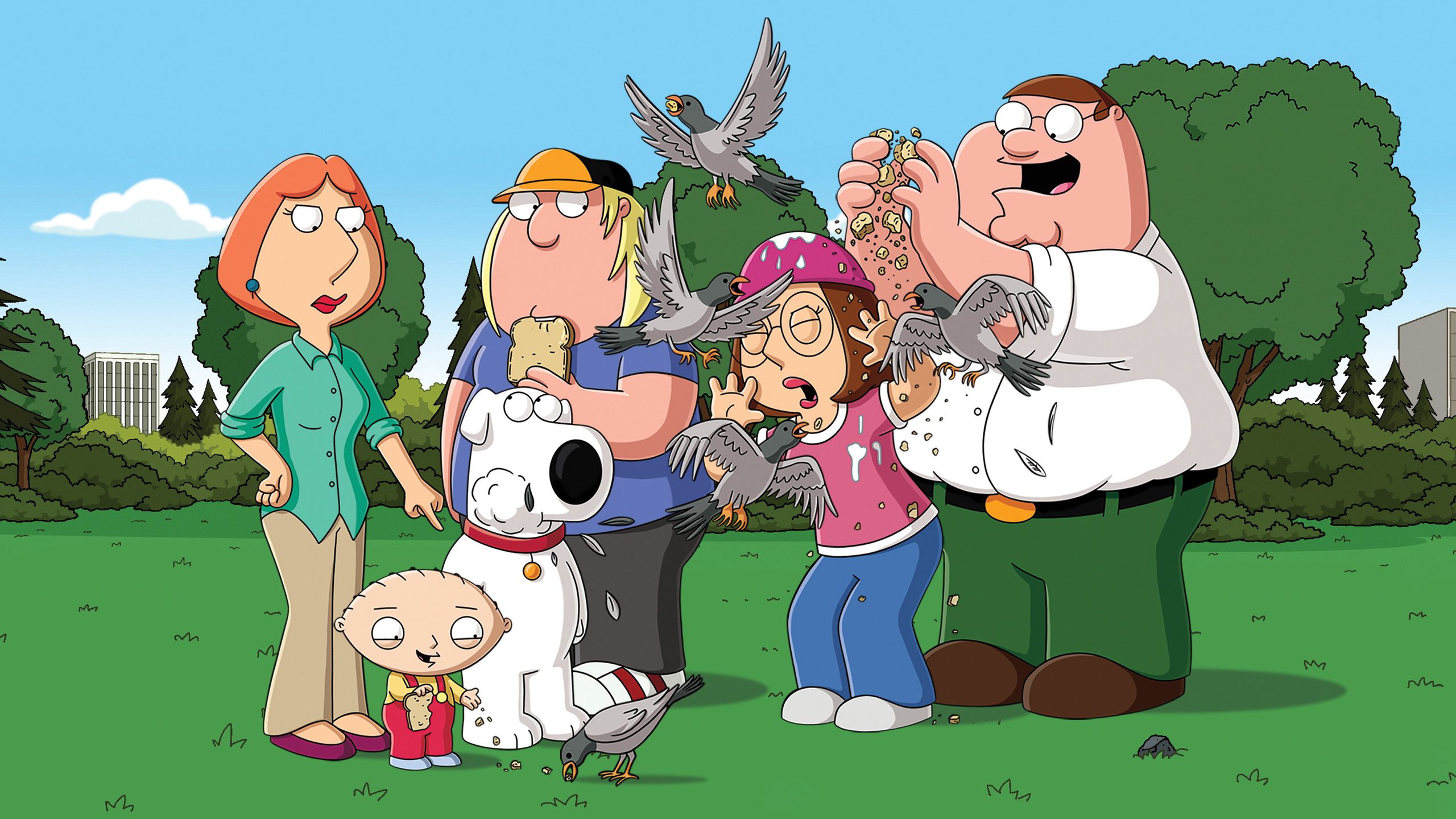
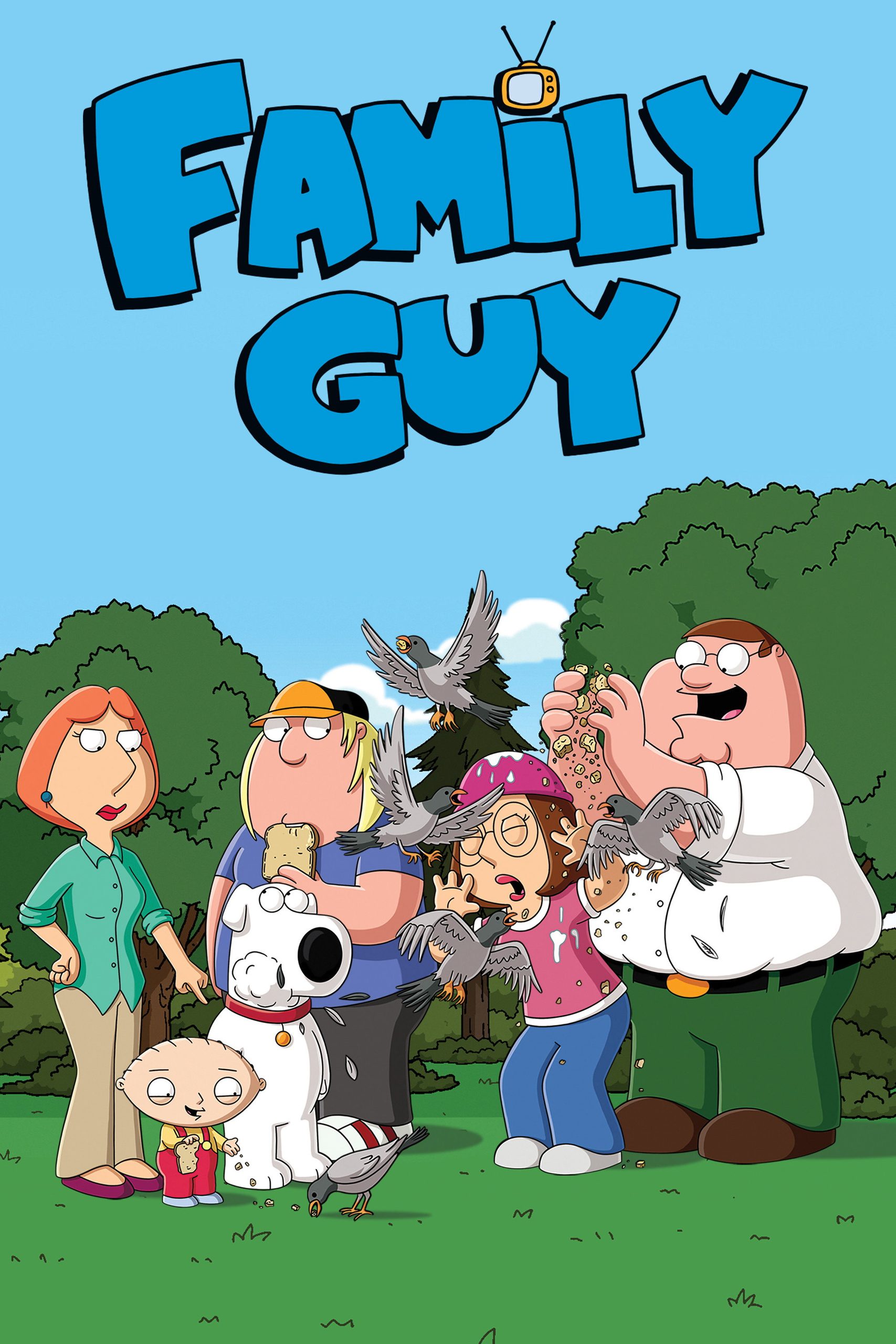
Seth MacFarlane’s Family Guy first aired on 31 January 1999, and twenty-four seasons later it is still going. It is an animated sitcom about a heavy, stupid father, his patient wife, their overlooked children, a baby who wants his mother dead and a dog who talks, and in 1999 that was close to a description of The Simpsons too. The difference is how the joke arrives. The Simpsons tells a story and puts jokes in it. Family Guy starts a story, gets bored, cuts away to something that happened to Peter once, or never, and cuts back. It is quick, crude and often funny, and it is decent rather than good, because the trick that makes it funny is the trick that stops it being anything more.
The cutaway is the whole method. Peter says this is worse than the time he did something, and for fifteen seconds we are in a boardroom, or a trench, or a 1980s advert, and then we are home again. Some of these are as good as any sight gag on television. Peter’s brawls with a man-sized chicken, which begin over a coupon and carry on through car parks and aeroplanes long after any sane editor would have stopped them, had us laughing helplessly the first time, and by the third we were checking how much of the episode was left. That is the show in one bit: a good idea run until it is a habit.
MacFarlane voices Peter, Brian, Stewie and Quagmire, and the range is real. Peter is a wheezing bray; Brian a dry, level baritone; Stewie a clipped English gentleman of about 1955 who happens to be one year old. Alex Borstein gives Lois a nasal patience that cracks roughly once an episode, and the cracks are the best thing about her. Mila Kunis plays Meg as a girl who has stopped expecting to be heard, which starts as a good joke and turns cruel: the family tell her to shut up, and worse, every week, and the writers stopped finding anything new in it long ago. Seth Green makes Chris slow and cheerful. Patrick Warburton’s Joe Swanson, a bellowing policeman in a wheelchair, has one register and uses it well.
The best of it is Stewie and Brian. A baby with a death ray and a dog with an unfinished novel should not be the emotional centre of anything, and here they are. When the show gives them an episode to themselves it slows down, the cutaways thin out and something like a story turns up, with an ending that has been earned rather than reached. Those are the episodes we would send a stranger to. They also prove that MacFarlane and his writers can hold a scene for longer than a minute. Most weeks they choose not to.
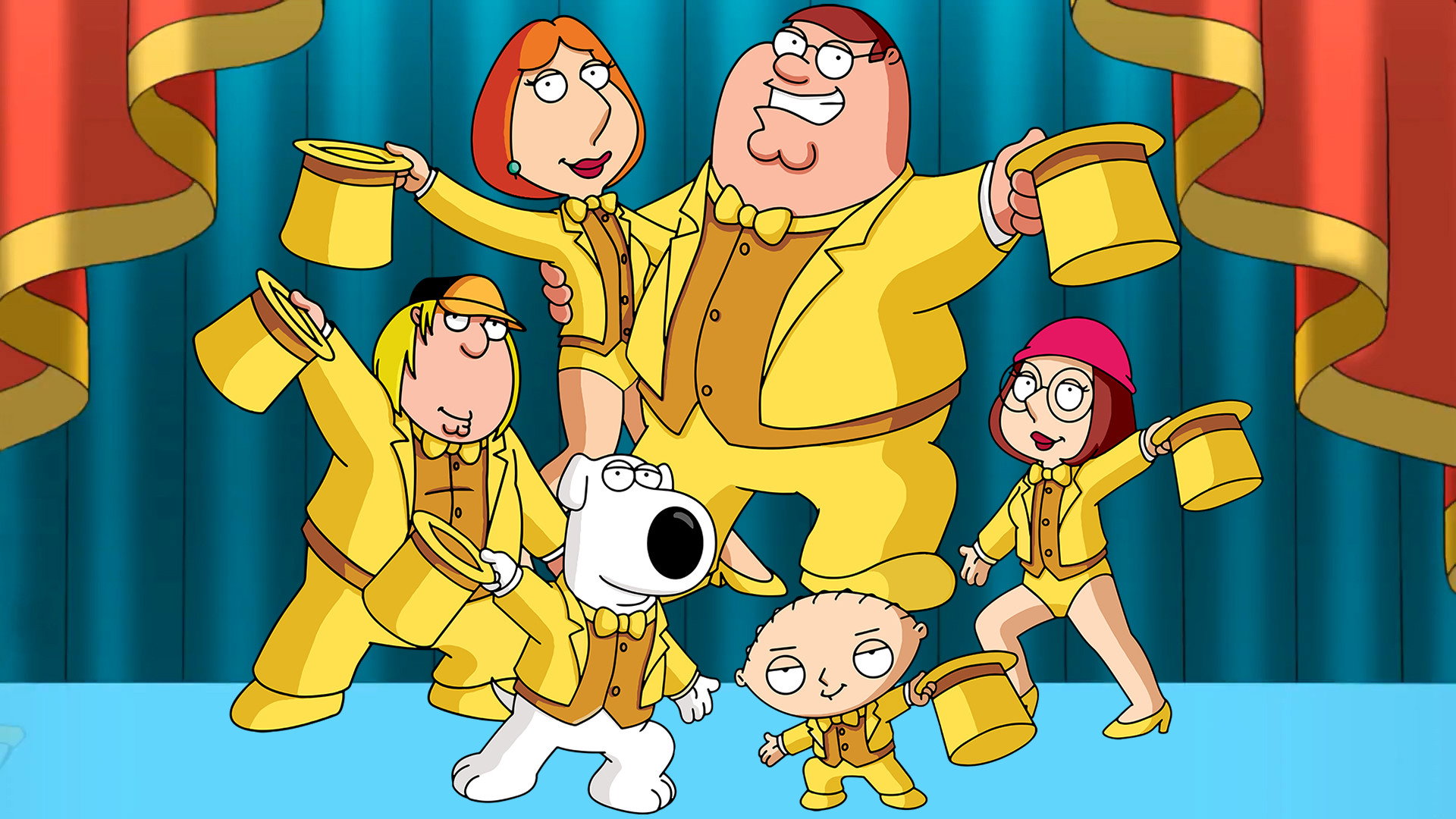
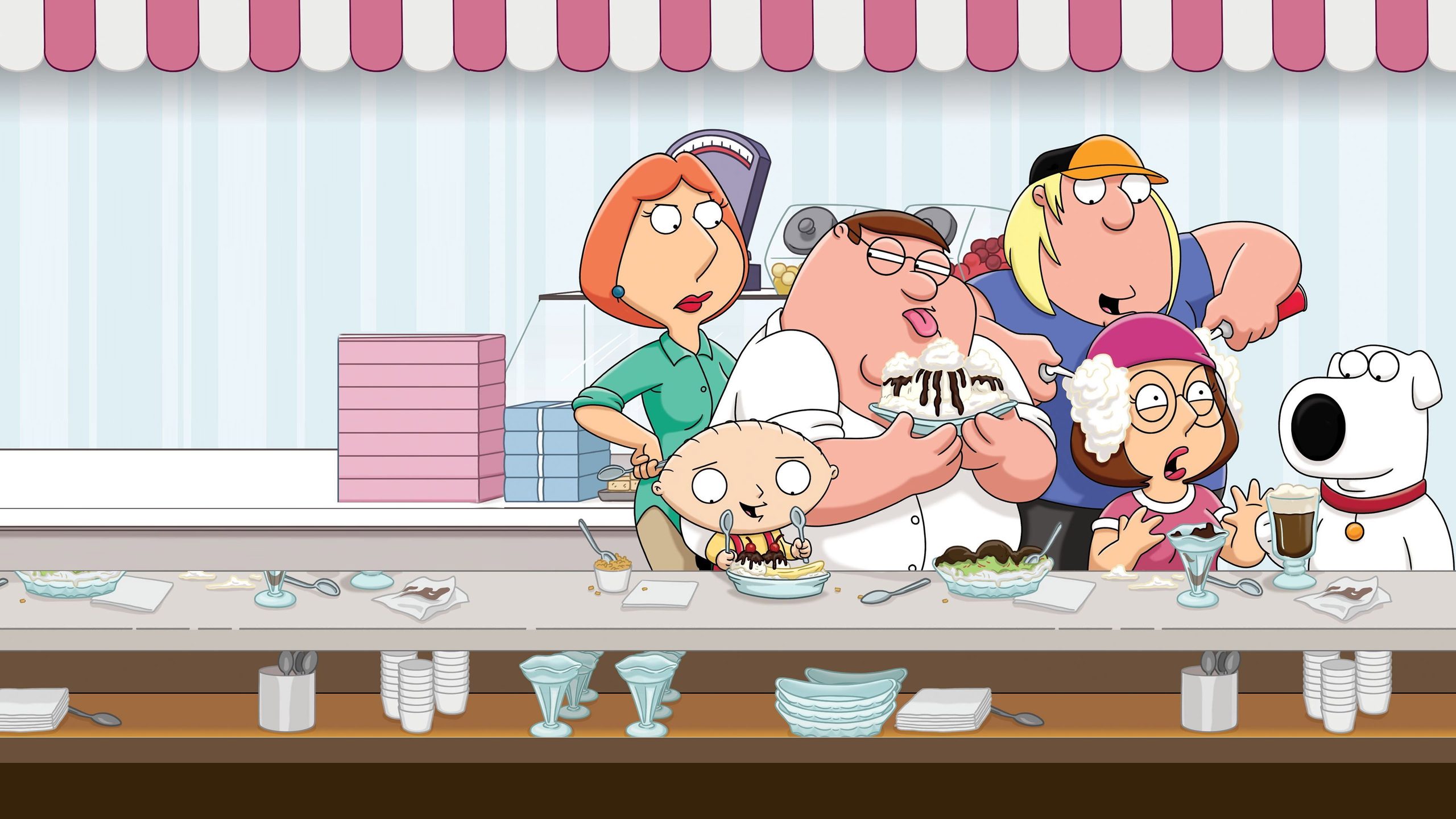
Nobody has ever paused a frame of Family Guy to admire it. The characters share the same round shoulders and absent chins, the backgrounds are a suburban colour chart, and the animation moves people from A to B and no further. The exception is the sound. Walter Murphy and Ron Jones score the show with a full orchestra, brass and strings playing as if for a 1960s film musical, and the theme has the family at a piano promising a far grander programme than the one that follows. The orchestra is playing for a better show than the one on screen, on purpose, and it is the one thing here we never tired of.
There is a gap of nearly four years between the third season in 2001 and the fourth in 2005, and the show that came back was faster, ruder and surer of itself. It has not changed much since. Twenty-four seasons is a long time to run on one trick, and the recent years have the timing down cold and less and less underneath it; the show now makes jokes about its own cutaways, which is funny once. Set against The Simpsons at its best it looks thin, and it has outlasted most of what copied it.
Watch it late, with a drink, three episodes at a time and no more, which is how it was built to be watched. Go to the Brian and Stewie episodes if you want to see what MacFarlane can do, and to anything else if you want to see what he usually does. It carries a 15, and it means it.