Series review

Modern Family

2009 · Created by Steven Levitan, Christopher Lloyd · Series · MPA TV-PG

In a sentenceA camera crew nobody ever explains follows three families for eleven years and every episode ends with a speech about love

Comedy

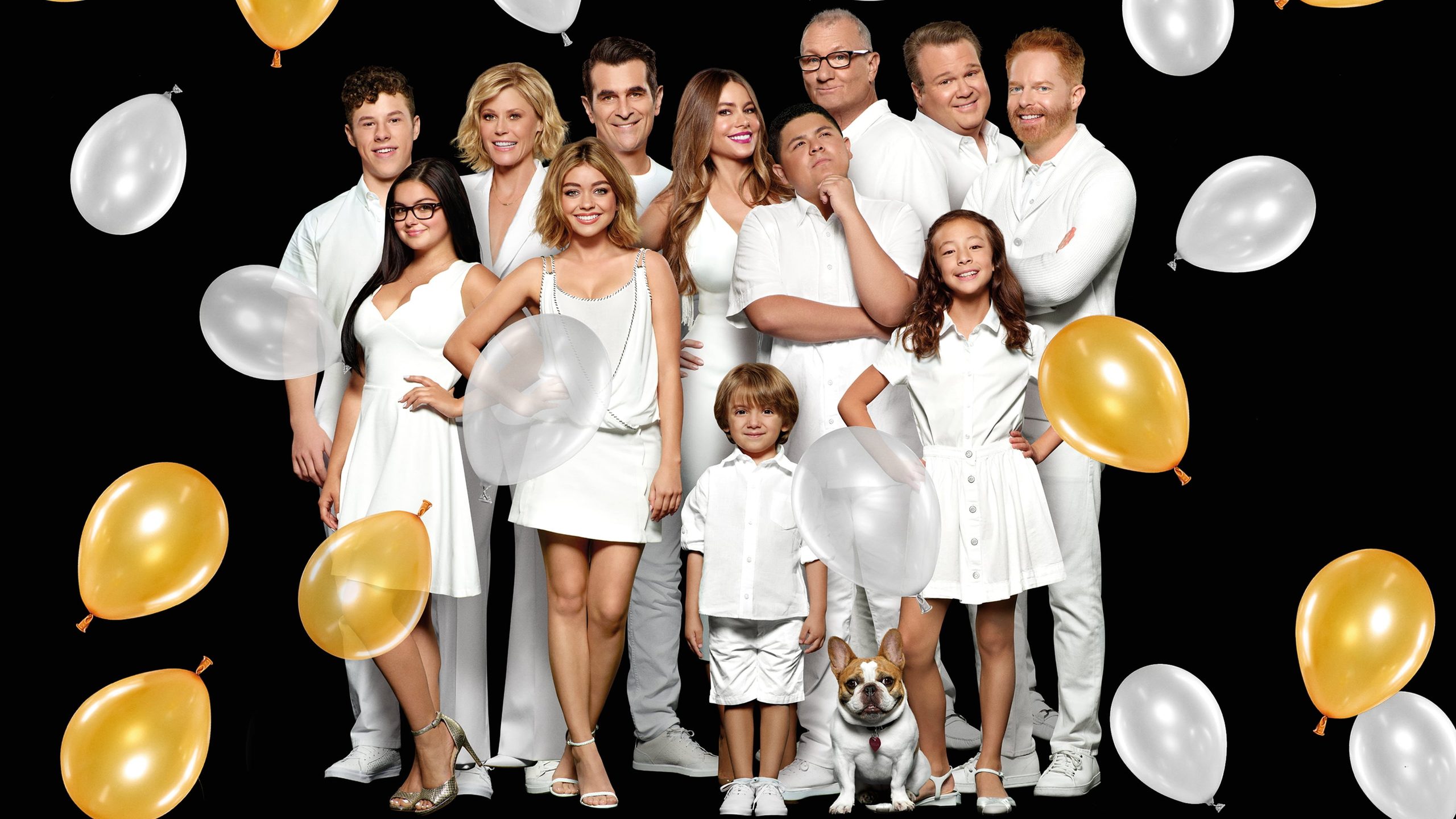
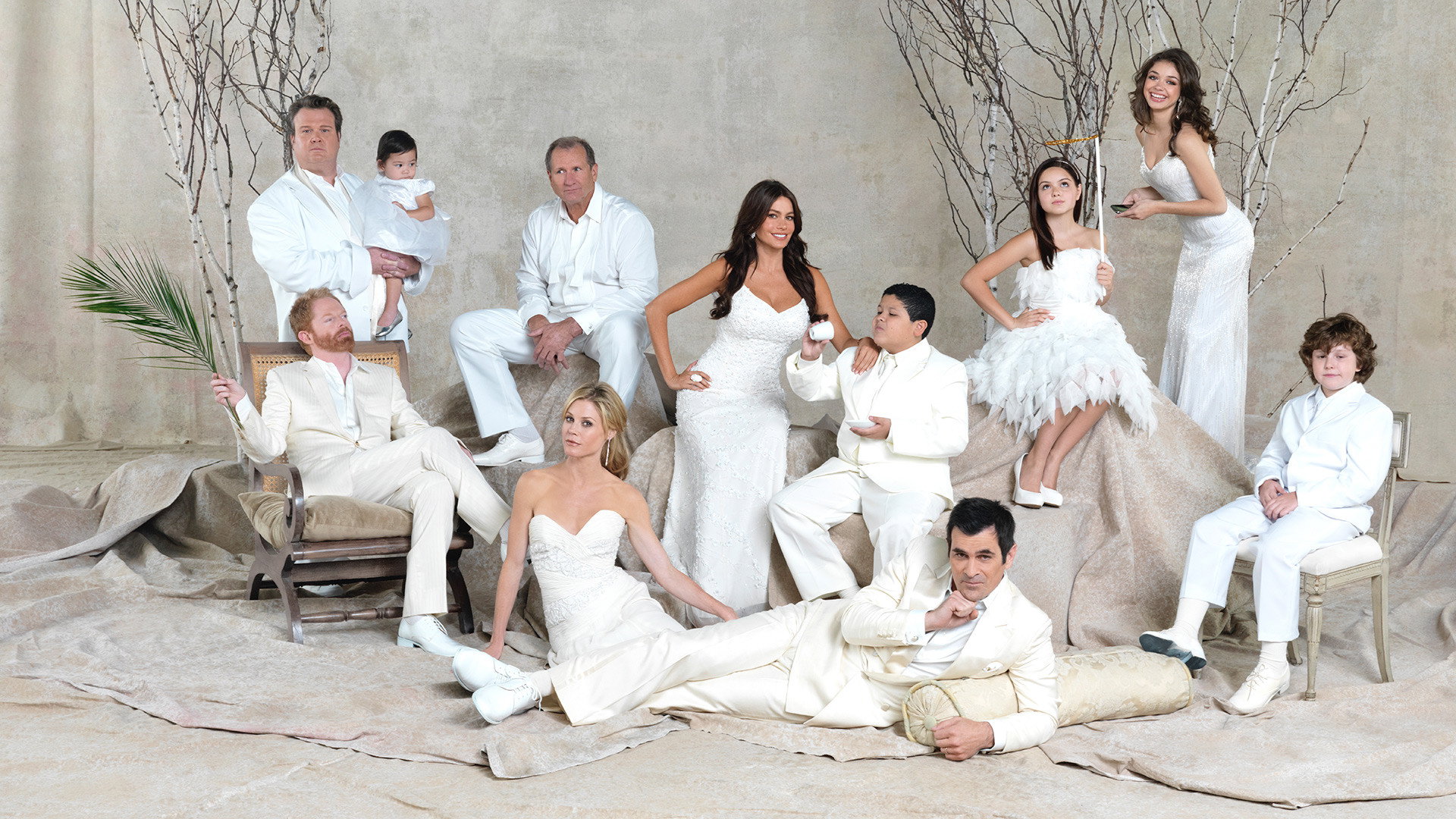
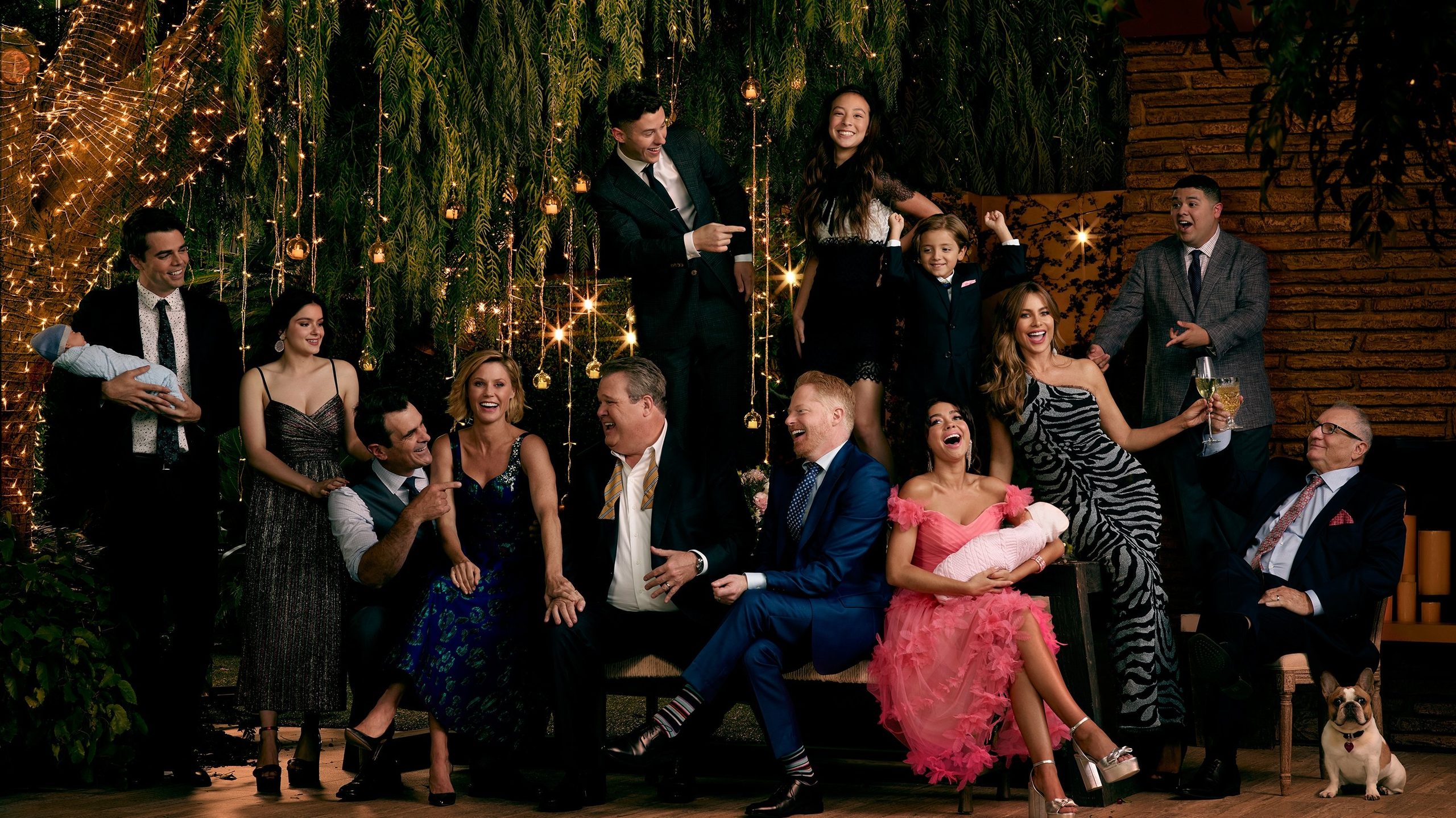
Los Angeles, the present day. Jay Pritchett (Ed O’Neill), a gruff man in his sixties, has married Gloria Delgado-Pritchett (Sofía Vergara), who is much younger, and taken on her solemn small son Manny Delgado (Rico Rodriguez). His daughter Claire Dunphy (Julie Bowen) is trying to run a house containing her husband Phil (Ty Burrell), an estate agent convinced he is the cool dad, and their children Haley (Sarah Hyland), Alex (Ariel Winter) and Luke (Nolan Gould). His son Mitchell Pritchett (Jesse Tyler Ferguson) and partner Cameron Tucker (Eric Stonestreet) are flying home from Vietnam with a newly adopted baby, Lily, and have not yet told anyone. Each episode follows all three households and stops to interview them, on their sofas, about what just happened.

Fi1m review

Christopher Lloyd and Steven Levitan’s mockumentary sitcom is sharply written and cast almost without a weak link, and Ty Burrell’s Phil Dunphy is one of the great television fathers. It is at its best in the first three seasons. There are eight more, and they mostly repeat the jokes.

Christopher Lloyd and Steven Levitan take the form The Office made familiar, the sitcom pretending to be a documentary, and apply it to a family spread across three households. Jay Pritchett (Ed O’Neill) has married again, to Gloria (Sofía Vergara), who is half his age; his daughter Claire (Julie Bowen) is raising three children with Phil (Ty Burrell); his son Mitchell (Jesse Tyler Ferguson) and Cameron (Eric Stonestreet) have just adopted a baby. Each half-hour cuts between them and knots them together at the end. It is one of the better American family sitcoms of its era, sharply written and cast almost without a weak link, and it runs for eleven seasons, which is about twice as long as it has material for.

The form is the joke, and for the first few seasons the joke works. Characters sit on a sofa and tell the camera what they meant to happen; then we watch what did. James Bagdonas shoots it handheld, with a quick zoom on a face at the moment a lie is caught, and lights the houses in a flat, bright Californian daylight where nothing can hide. Nobody ever says who is filming or why, and after a while we stopped asking.

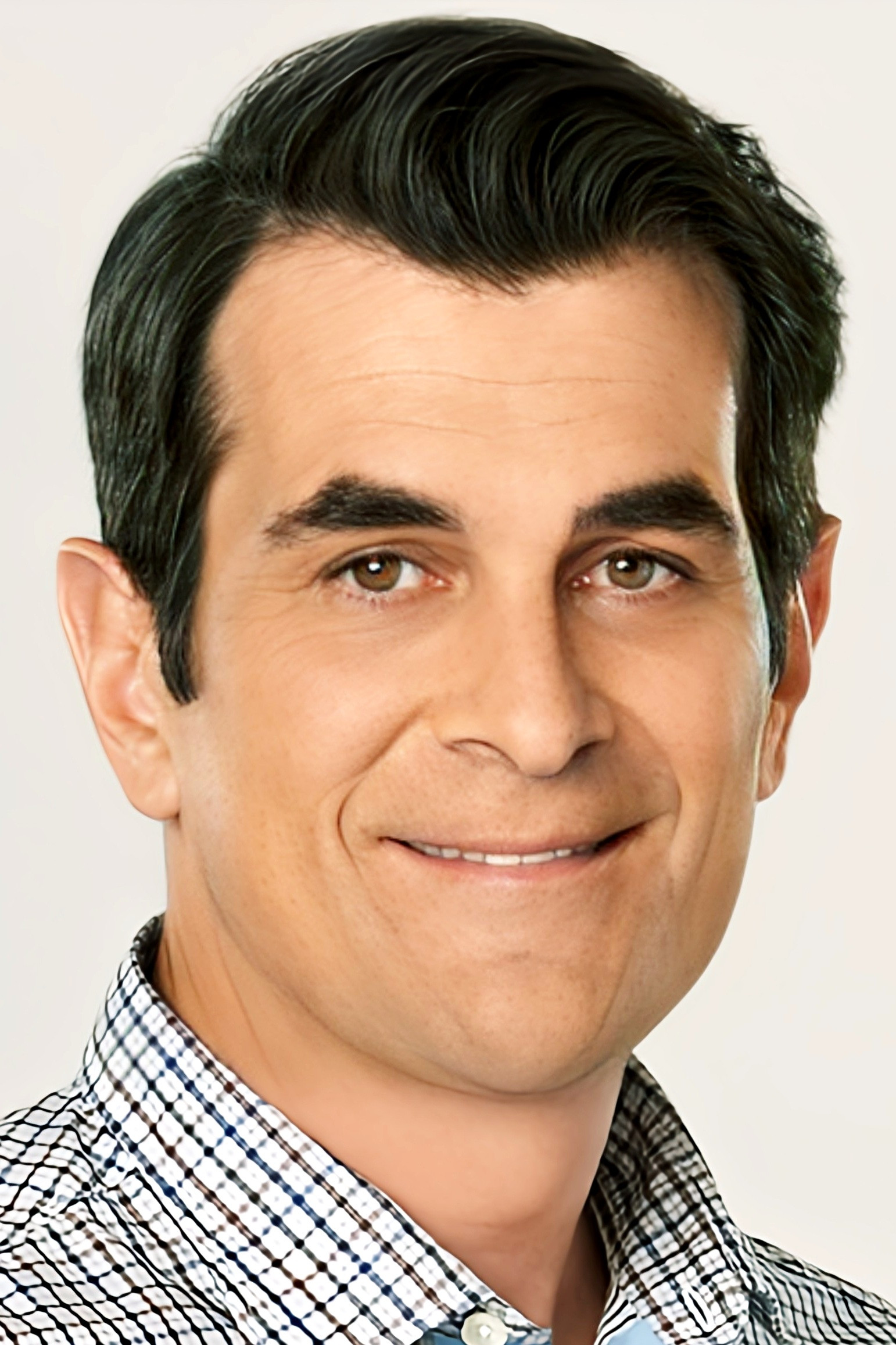
Burrell is the reason to watch. Phil is an estate agent who thinks he is the cool dad, believes his own catchphrases, and hurts himself on ladders and trampolines with a regularity the show never tires of. Burrell plays him without a trace of irony, and the character is funny because he is wholly sincere. We laughed out loud, alone, at his to-camera explanations of what he had just done, and we did not expect to; there is a look of hurt bafflement he does when Claire is unimpressed that is as good as anything in the genre. Bowen, given the harder job of being the one who notices, is dry and quick and now and then allowed to be as ridiculous as he is.

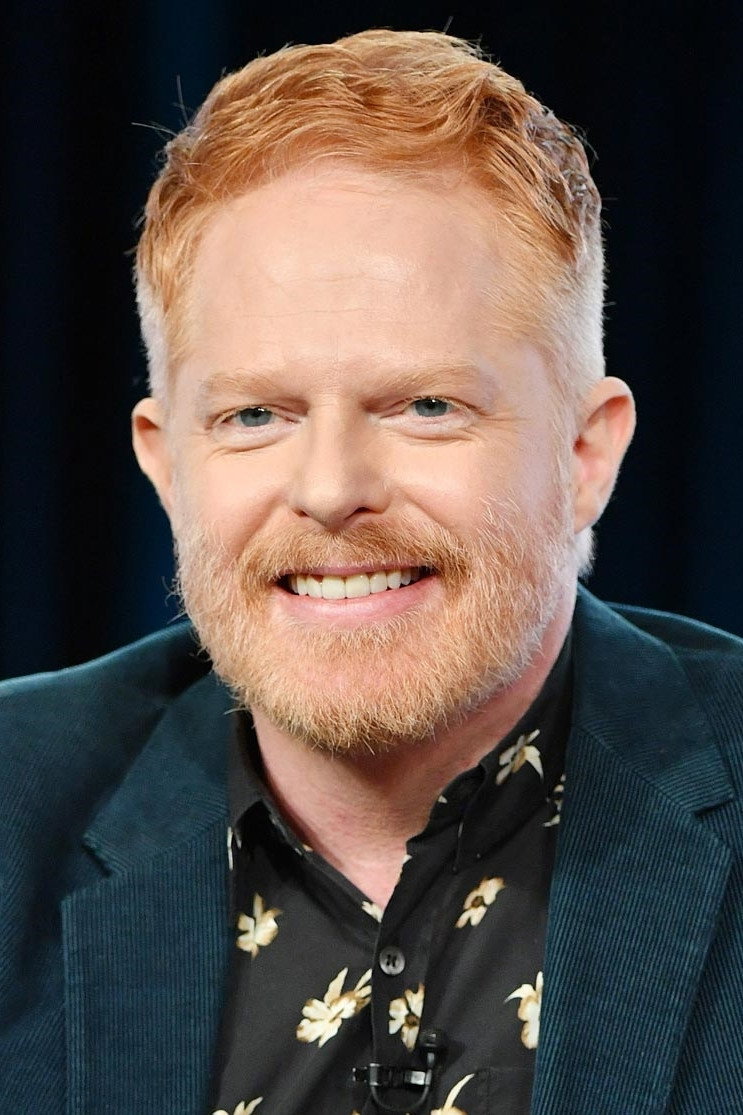
O’Neill’s Jay is an old man who does not want to talk about anything, married to a woman who wants to talk about everything, and Vergara plays Gloria as loud, sharp and much cleverer than the family assumes. Stonestreet and Ferguson get the most conventional material, a fusspot and a showman, but they are written as a couple rather than a pair of attitudes, and Stonestreet’s Cam is large, sentimental and hard to dislike. Rico Rodriguez’s Manny, a small boy who talks like a middle-aged poet, is the best of the children early on. Sarah Hyland, Ariel Winter and Nolan Gould grow up on screen, which sitcoms rarely handle well, and this one handles it reasonably: Alex gets cleverer and lonelier, Luke gets taller and no wiser.

The trouble is the ending. Not the finale, which is fine, but the ending of each episode, where the three plots converge, somebody speaks softly over a montage about what family really means, and Gabriel Mann’s strings come up underneath. Once a week for eleven years. The writers know it is a formula and sometimes mock it, but they never stop doing it, and by the middle seasons we were reaching for the remote at the first sign of a voiceover. Later years lean harder on Gloria’s accent and Cam’s size for laughs than the early ones did, and the plots start to come round again: a party goes wrong, a secret is kept badly, everyone shouts in a kitchen.

There are 250 episodes across eleven seasons, from 23 September 2009 to a final run that began on 25 September 2019, and the strike rate in the first three is high. Lloyd came from Frasier and the plotting shows it: the pilot withholds one piece of information until its last minutes, which is the kind of thing that show did weekly. The directors include Jason Winer, Michael Spiller and Gail Mancuso, and later Bowen herself and, of all people, Bryan Cranston. The costume department (Pamela Withers, Alix Friedberg, Marissa Borsetto) does quiet character work: Gloria in dresses built for a nightclub at a school fair, Cam in shirts with parrots on them, Phil in the checked shirt of a man who is trying.

Against Arrested Development, which had more nerve, and the American Office, which had more sadness, this is the gentle one, and it sits comfortably at a 12 certificate. Watch the first three seasons with the whole house, and go back to Phil whenever you need him. Nobody needs all 250.

Critical consensus AI synthesised

85
Positive
7
Mixed
0
Negative
0

The reviews are uniformly warm. Most critics single out the ensemble and the writing: three households, cut between briskly, with the asides to camera giving each joke a second layer. Several call it the best new comedy of its season. Phil Dunphy, the try-hard father with the gadgets and the pratfalls, is named again and again as the character who carries the show, and the gay couple is praised for being written as people rather than as a talking point.

The spread is narrow; nobody dislikes it. What reservations there are concern familiarity. Den of Geek finds it sentimental in places and close to other sitcoms in its bones, and The AV Club admits the premise is well worn before allowing that the execution overcomes it. Reviews written years later, covering the later runs and the finale, find the jokes still landing, which suggests the early enthusiasm is not simply novelty.

The AV Club
23 September 2009 · A- · Donna Bowman
90

The critic finds the pilot funny despite a familiar premise, praising the assured and deft treatment of family dynamics and the mockumentary style that opens up strong comedic possibilities. Singles out the strong performances and confident pacing as harbingers of first-rate television.

Read the full review →
The Hollywood Reporter
22 September 2009
90*

The review finds the show long on heart with great characters, smart casting, expert writing, and consistent humor that redefines and invigorates the family-comedy genre through its multifamily approach and semi-documentary style. The strong ensemble and brisk pacing are singled out for praise.

Read the full review →
Variety
20 September 2009 · Brian Lowry
90*

The critic calls it the best new comedy pilot of the season, praising its smart, nimble storytelling across three family storylines that deliver laughs on multiple levels while commenting on the evolving nature of family. The direct-to-camera style and strong ensemble performances are highlighted as strengths.

Read the full review →
Radio Times
3 September 2015 · David Butcher
80*

The review praises the show's simple extended-family premise for working perfectly thanks to its brilliant comic ensemble, likening it to Dad’s Army in how the characters power the comedy. It singles out Phil as a standout try-hard, uncool dad full of pratfalls and gadgets.

Read the full review →
The i Paper
15 May 2020 · ★★★★ · Emily Baker
80

The critic views the series finale as a bittersweet farewell to the Dunphys and Pritchetts after their long run, noting the enduring appeal and strong jokes that confirm the show's original magic. She singles out the charmingly naive Phil Dunphy as a highlight among the character-driven comedy.

Read the full review →
Paste
5 December 2009 · Austin L. Ray
85*

The critic declares Modern Family the best new comedy of the season, highlighting its charming mockumentary style and well-rounded gay characters. He praises the performances, running gags, and specific characters like Phil Dunphy and Manny.

Read the full review →

Cast

Awards

International TV Audience Award for Best Comedy TV Series, 2014

Won
International TV Audience Award for Best Comedy TV Series

Primetime Emmy Awards, 2014

Won
Outstanding Comedy Series
Won
Outstanding Supporting Actor in a Comedy Series

Golden Globes, 2012

Won
Best Television Series – Musical or Comedy

Primetime Emmy Awards, 2012

Won
Outstanding Directing for a Comedy Series
Won
Outstanding Supporting Actress in a Comedy Series

TCA Award for Individual Achievement in Comedy, 2011

Won
TCA Award for Individual Achievement in Comedy

Primetime Emmy Awards, 2010

Won
Outstanding Casting for a Comedy Series
Won
Outstanding Single-Camera Picture Editing for a Comedy Series
Won
Outstanding Sound Mixing for a Comedy or Drama Series
Won
Outstanding Writing for a Comedy Series

If you liked this, try…

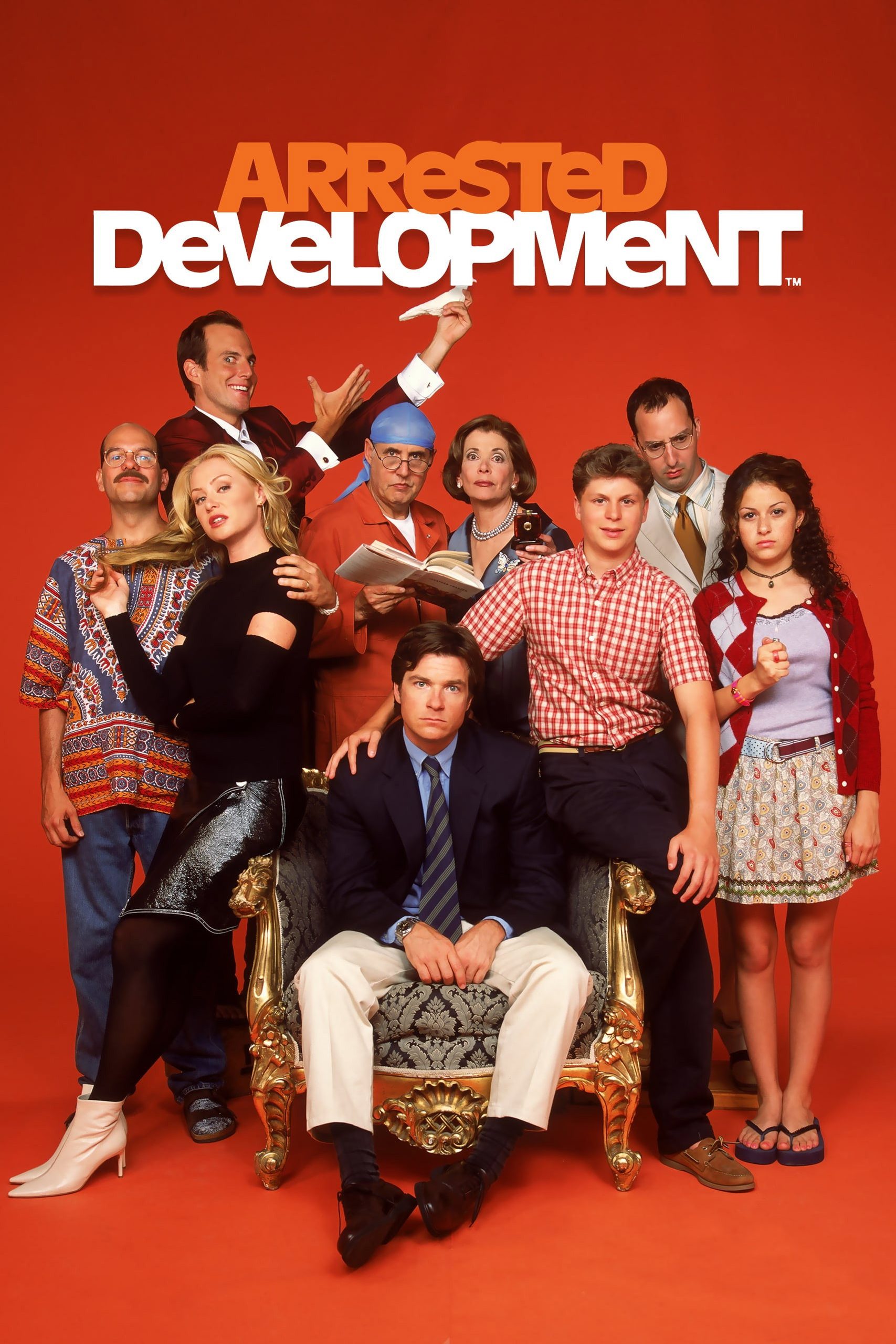
Arrested Development poster87

Arrested Development

2003 · The same documentary trick, a nastier family, and jokes that pay off three episodes later

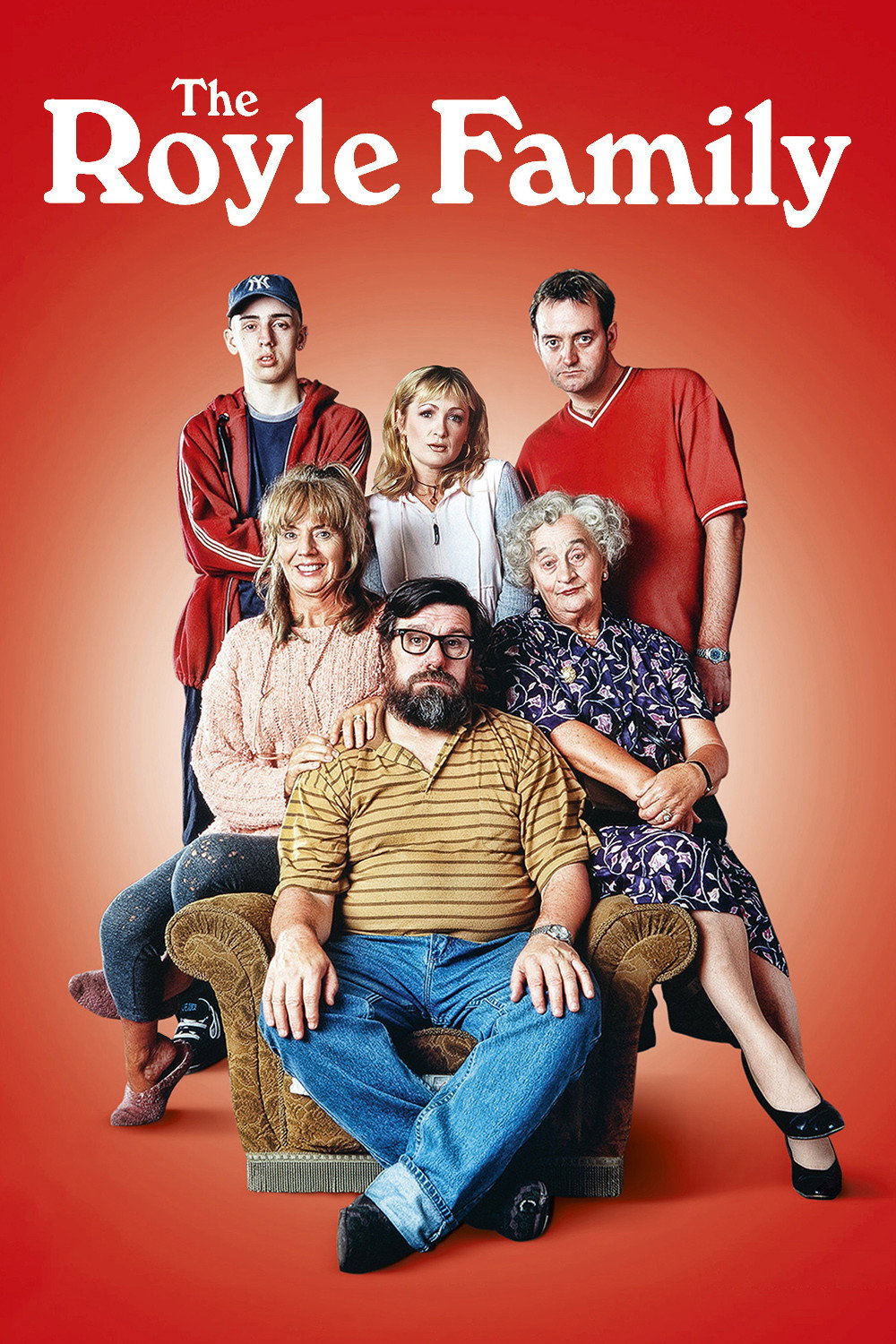
The Royle Family poster

The Royle Family

1998 · One sofa, one telly, one family, and more truth than most American kitchens manage

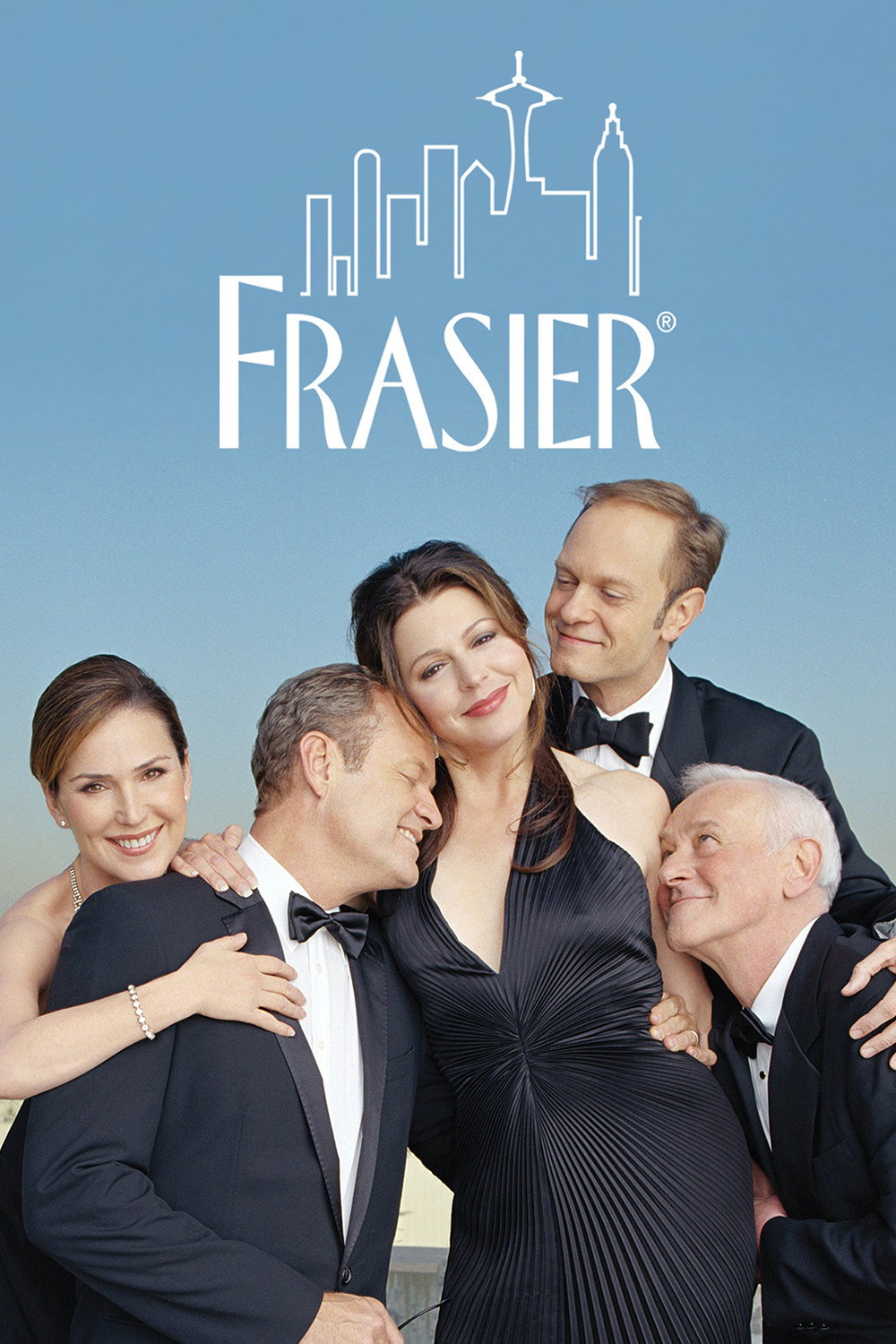
Frasier poster88

Frasier

1993 · Lloyd’s earlier show; the plotting this one borrowed, done by people in better jackets

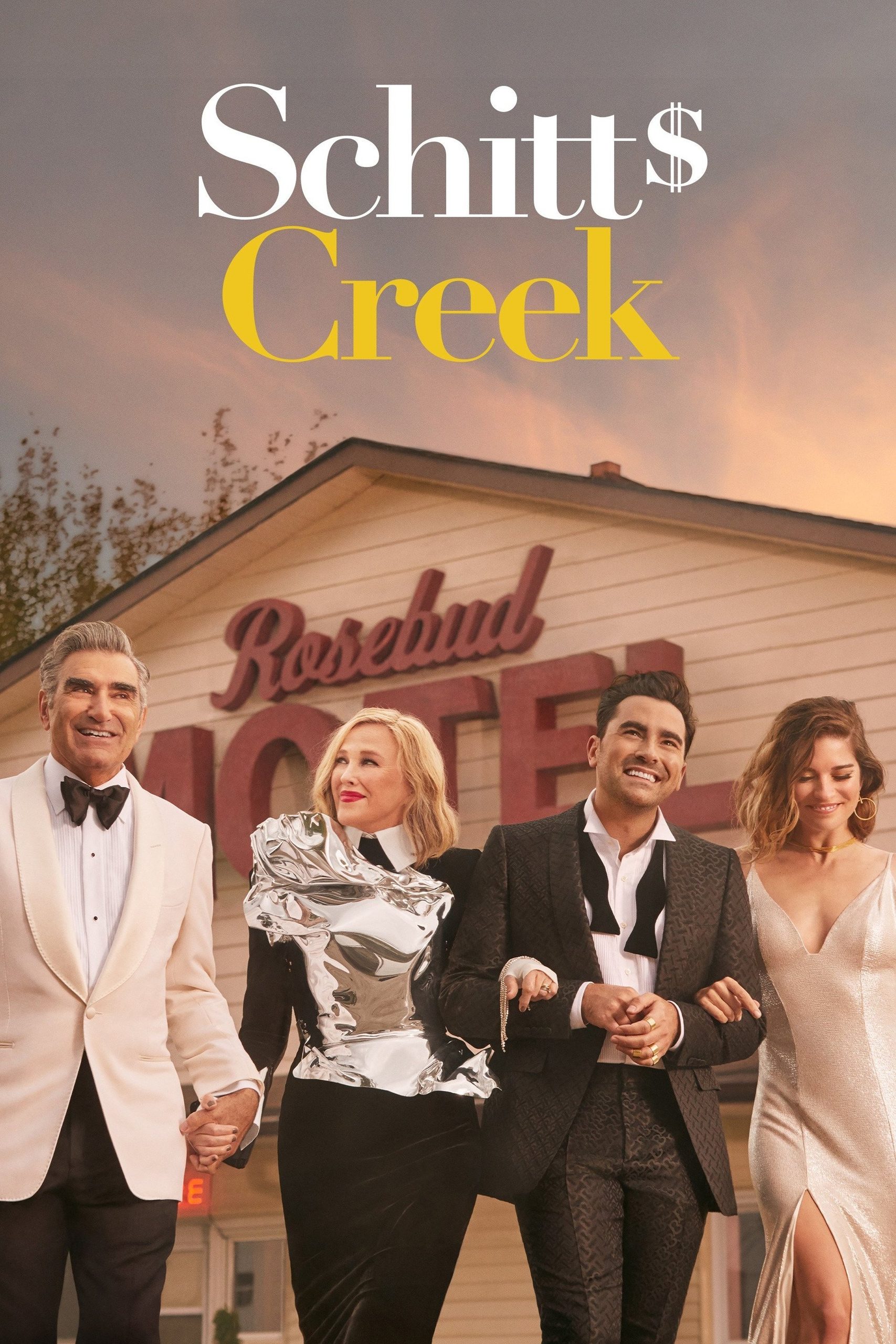
Schitt's Creek poster

Schitt's Creek

2015 · A rich family loses everything and slowly becomes bearable; warmer than it sounds

Motherland poster

Motherland

2016 · British school-gate parenting, no voiceover about love, and nobody learns a thing