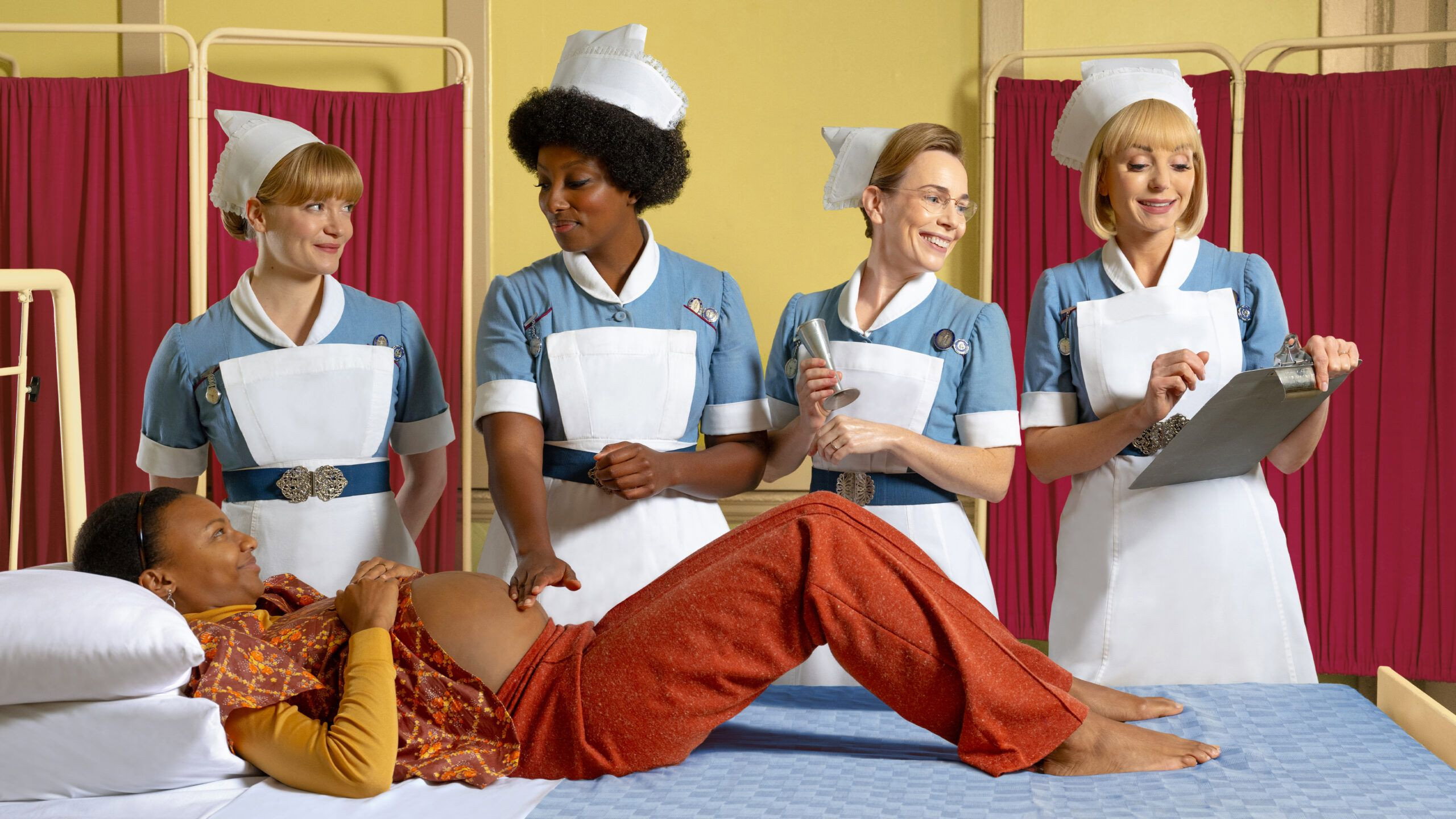
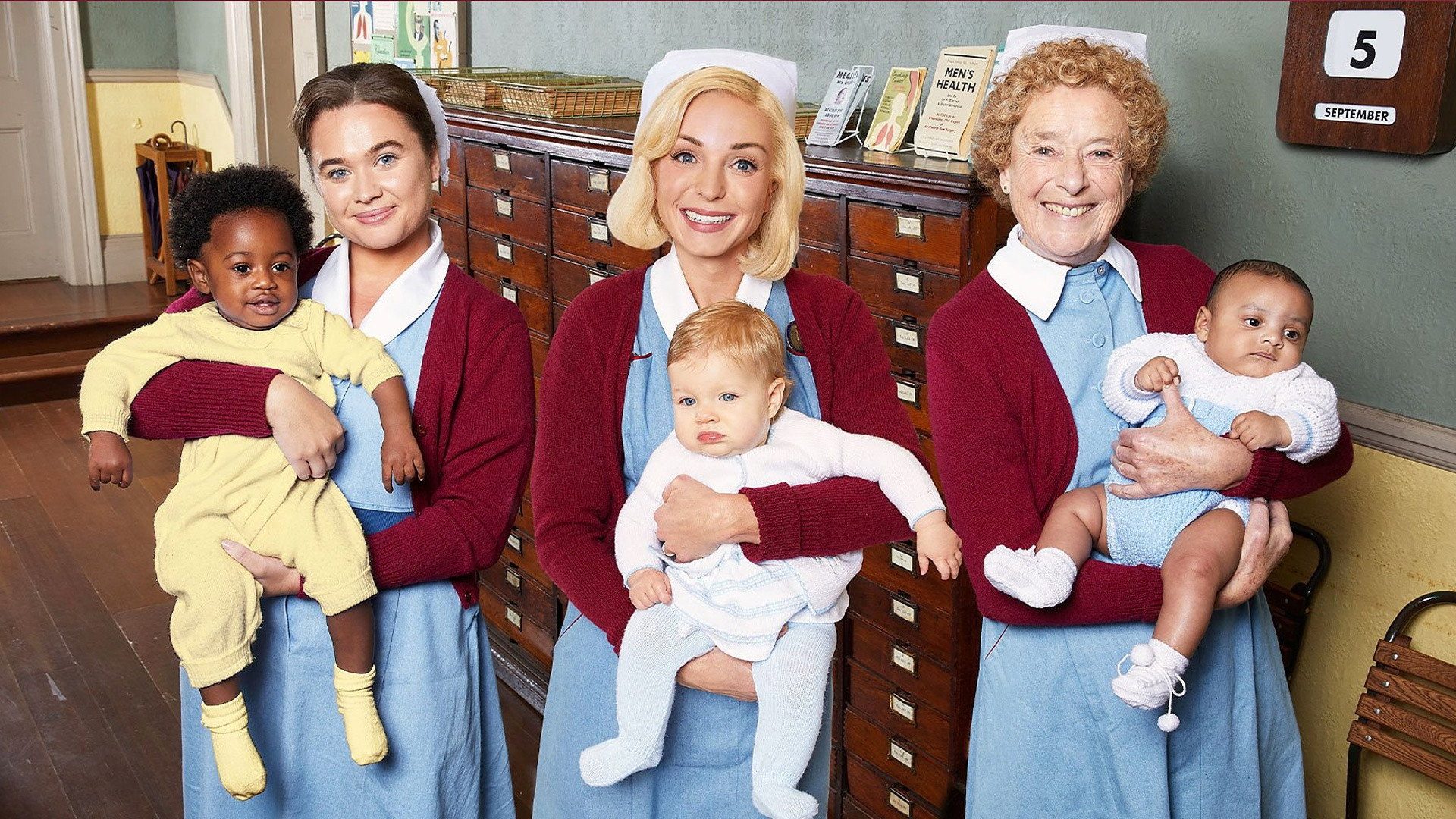
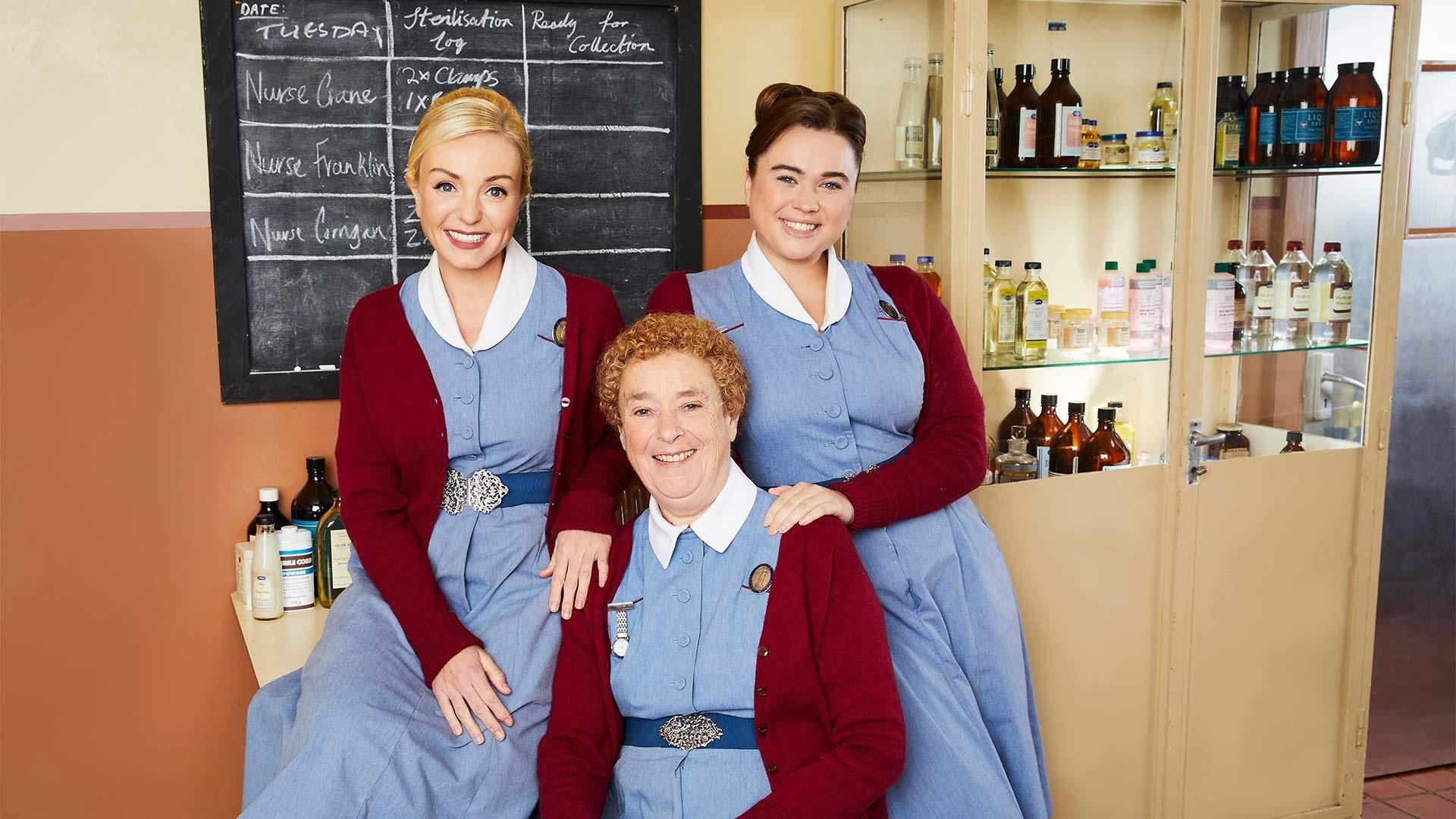
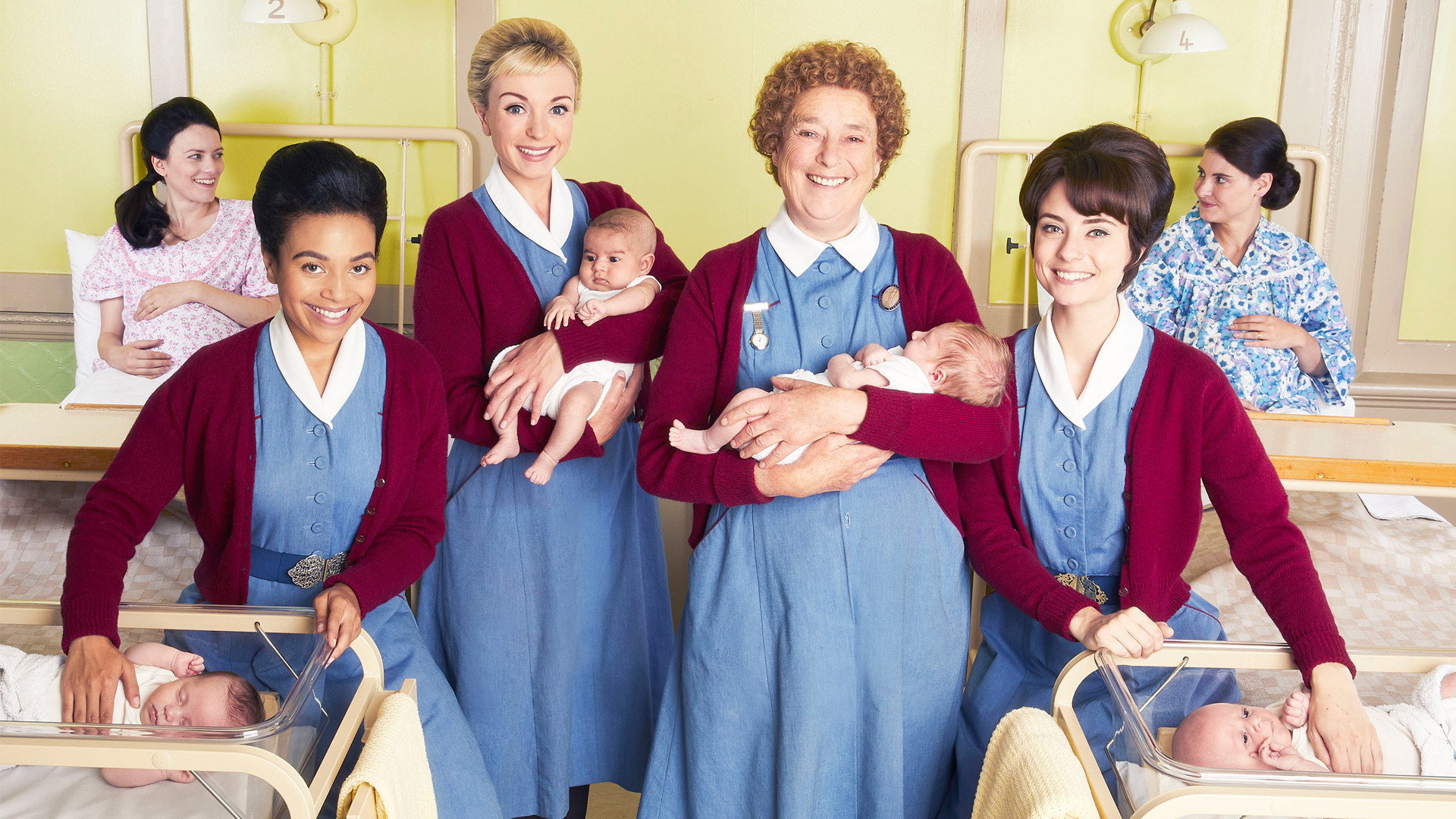
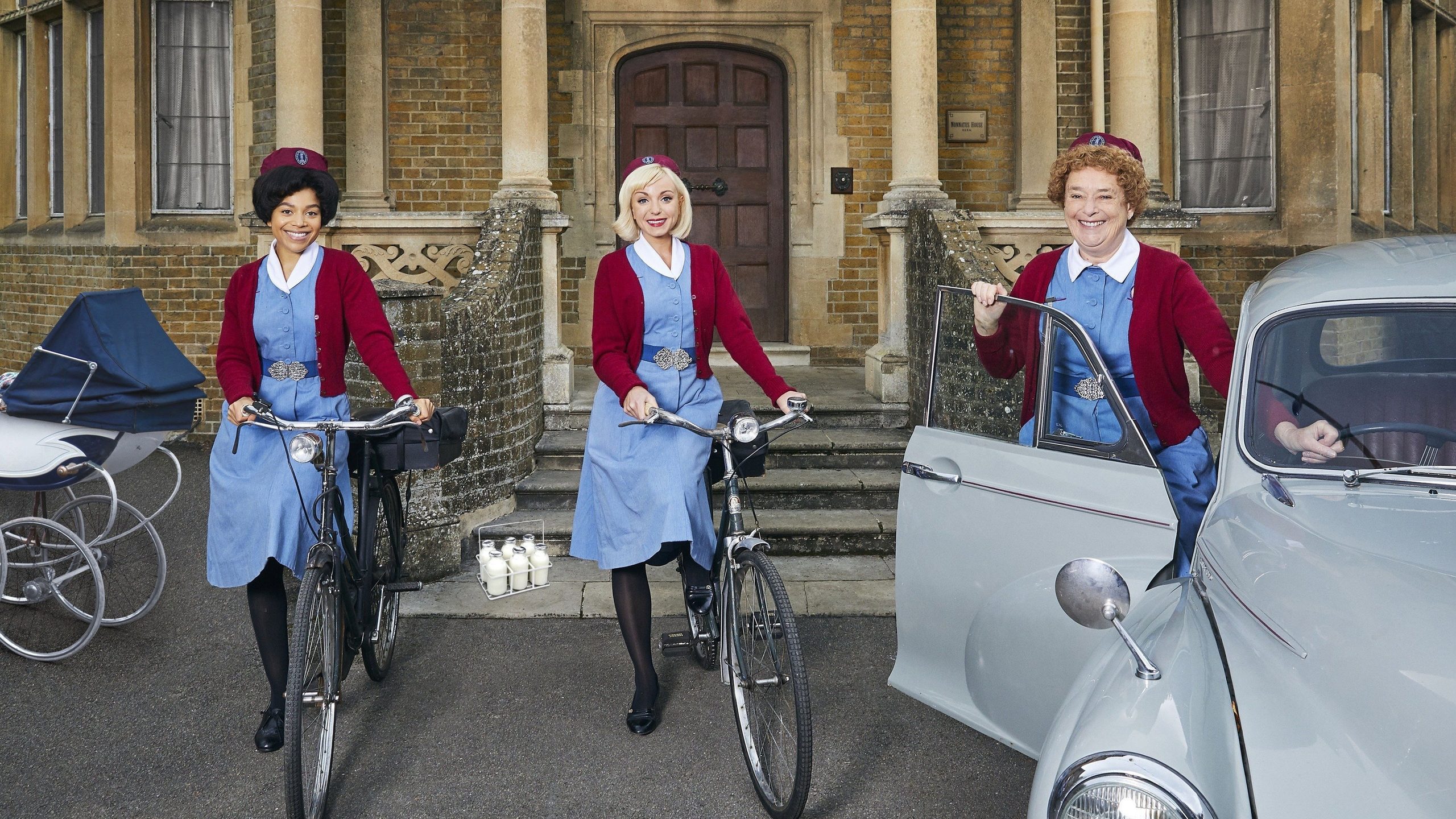
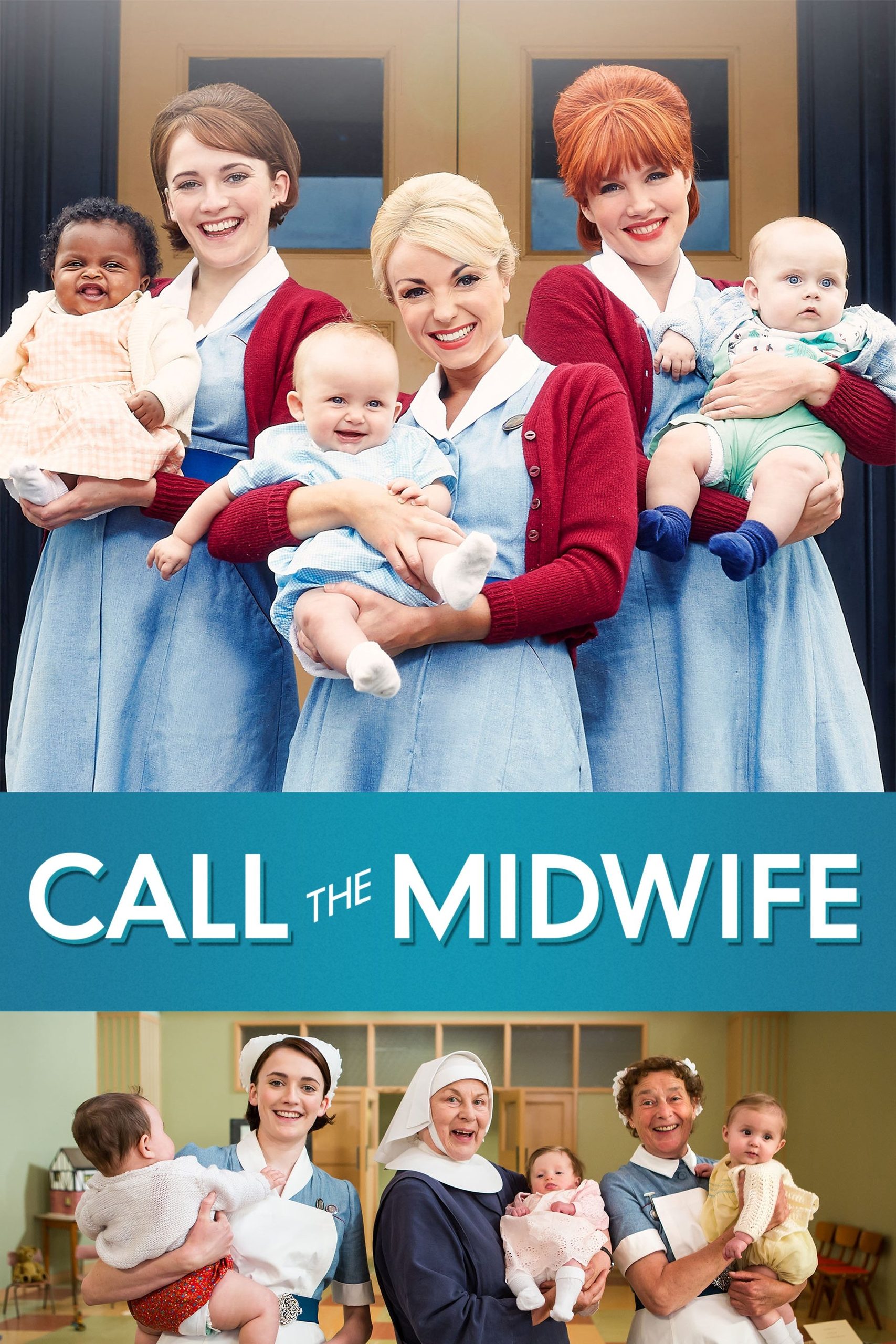
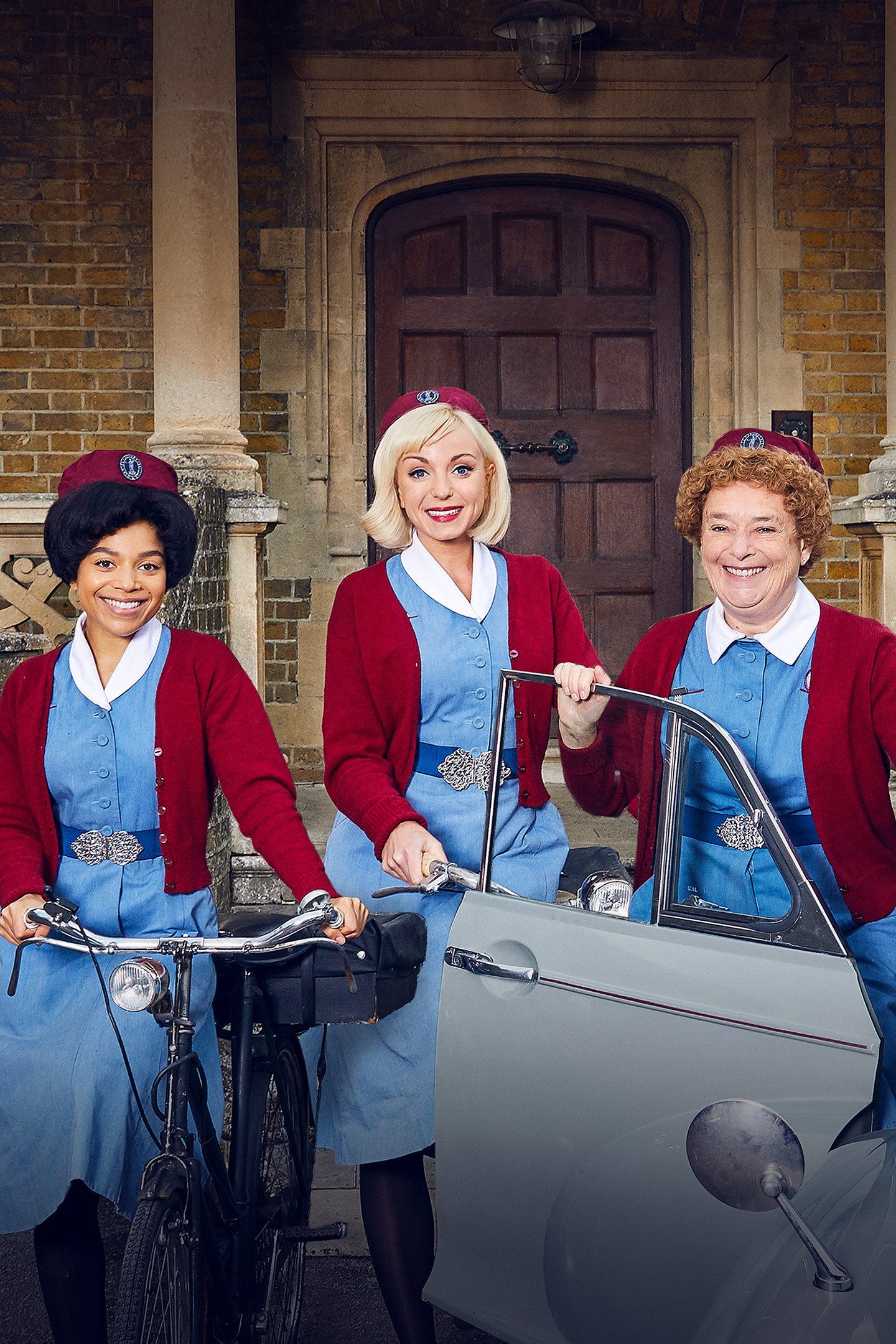
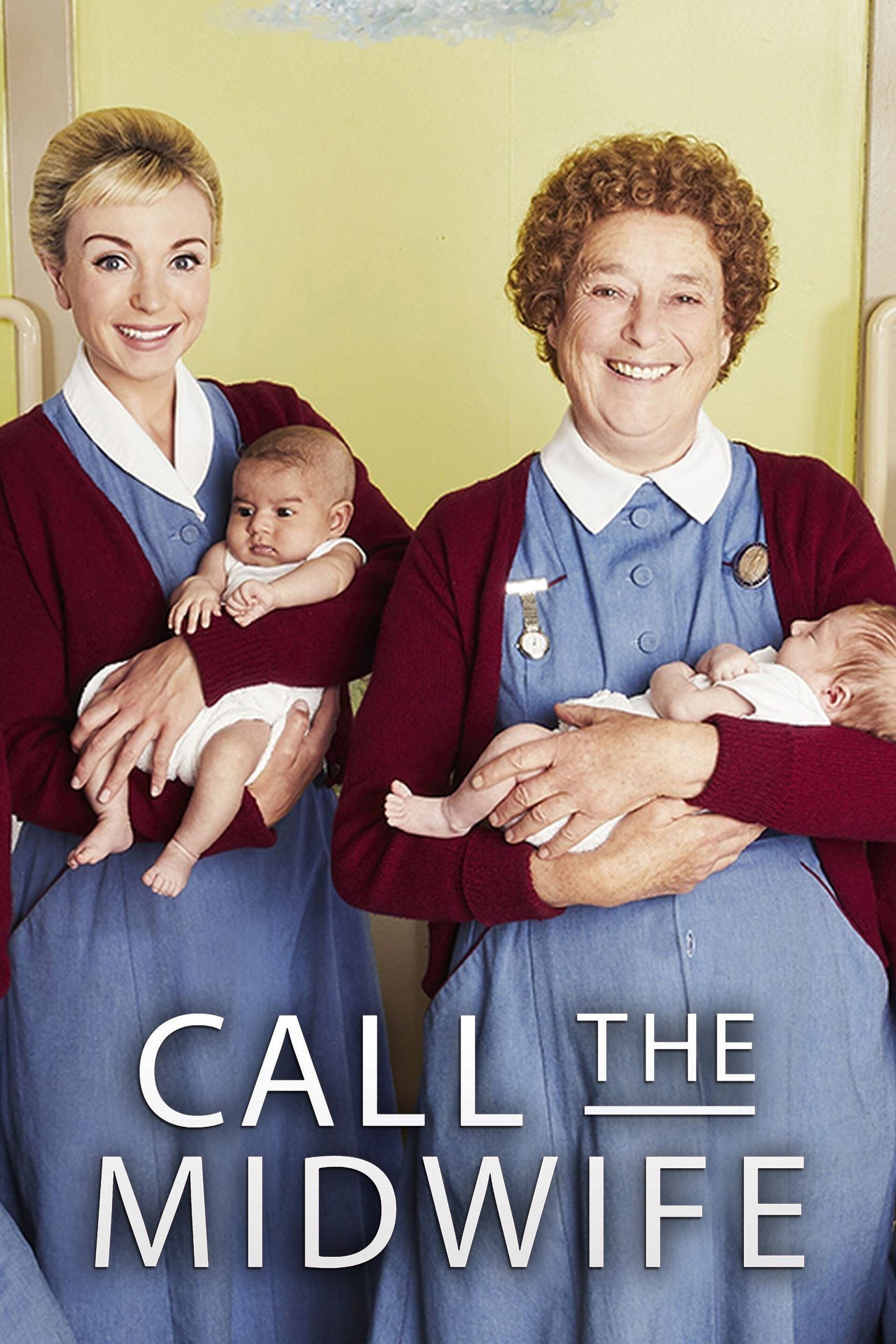
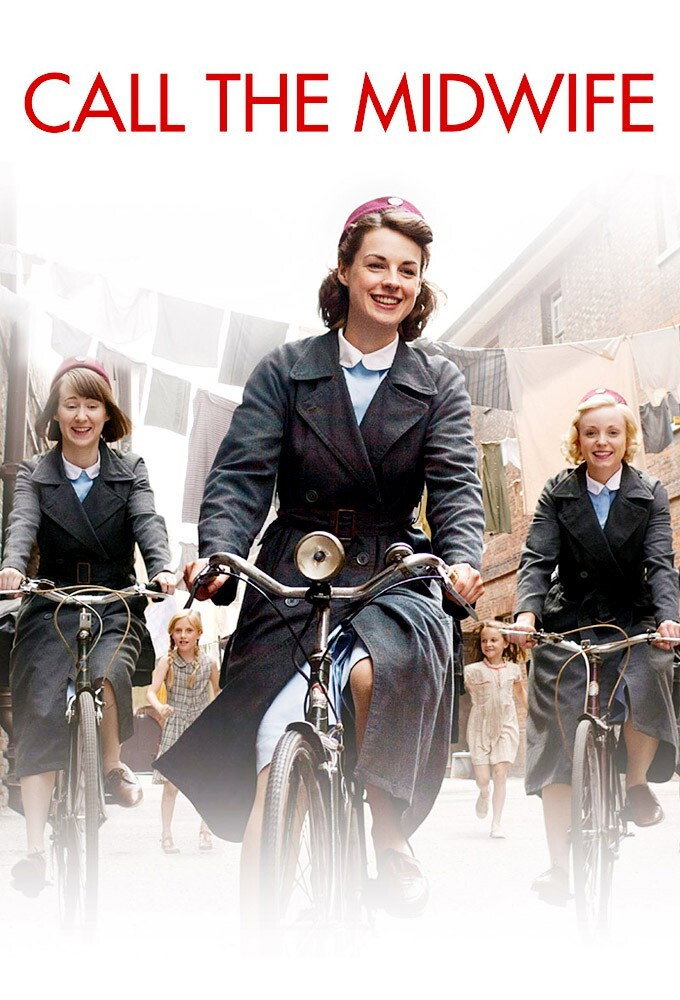
Heidi Thomas’s Call the Midwife earns most of its tears by taking women’s work seriously. Strong performances make the comfort persuasive, though the insistence on finding a lesson can soften the harder stories.
Heidi Thomas’s Call the Midwife is well worth your time, provided you can forgive its occasional need to explain the value of kindness. Its subject is work: women helping other women through pregnancy and childbirth, with all the practical demands that entails. Set in 1950s London, it takes class differences seriously without treating every encounter as a demonstration of how far we have come. The pleasure is in spending time with people who can be useful when somebody else is frightened.
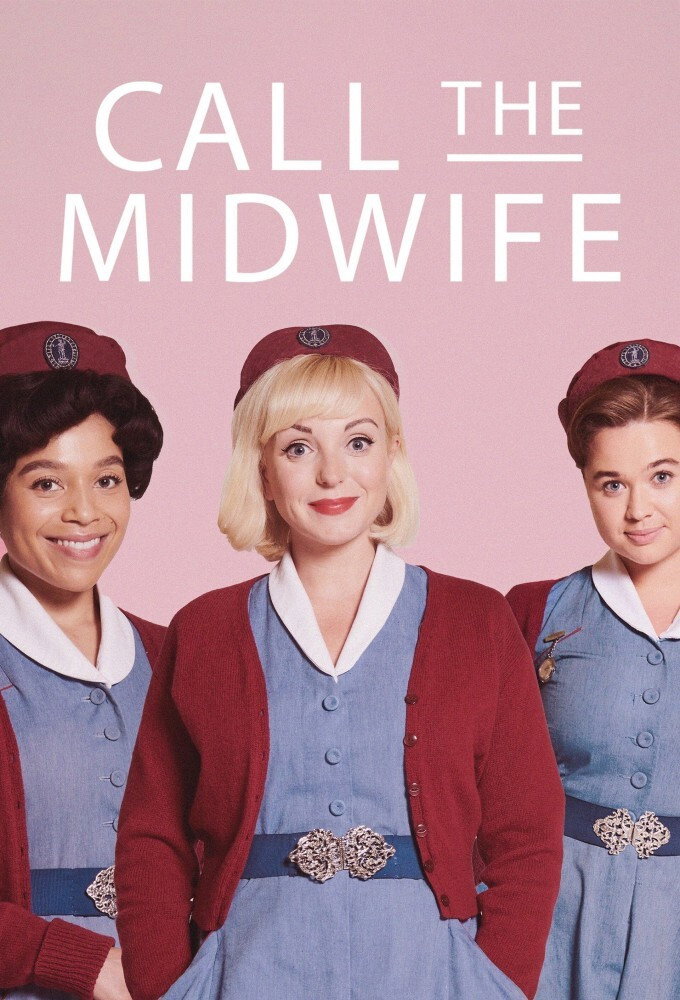
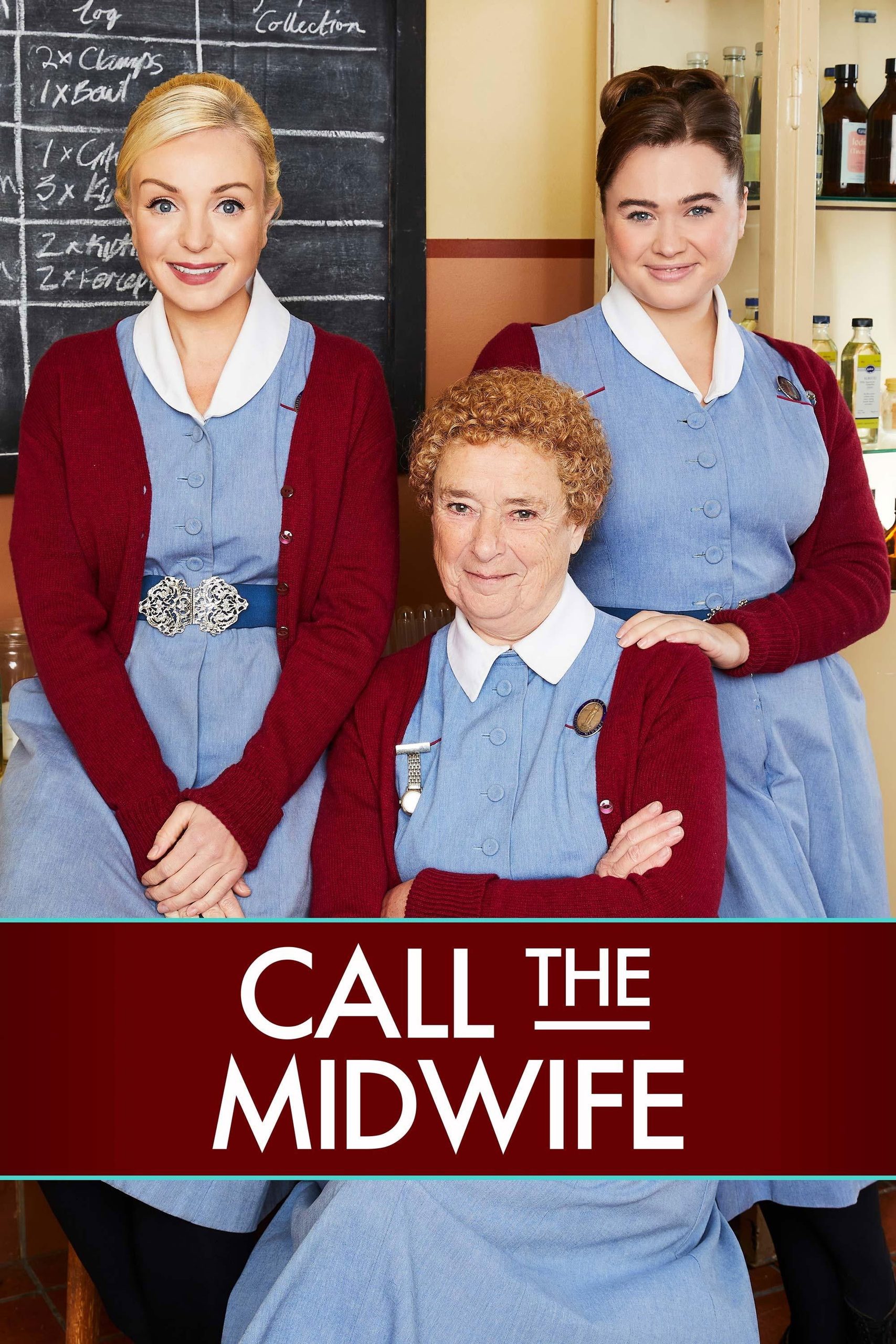
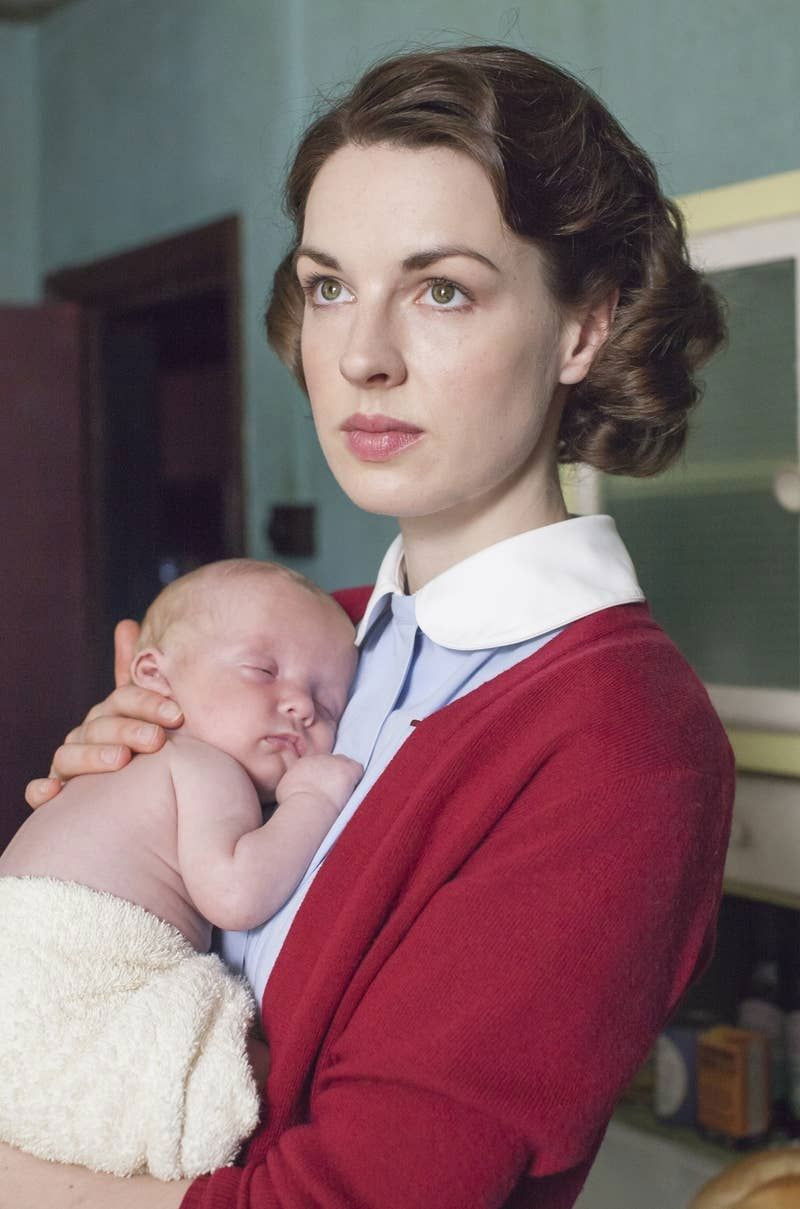
Jessica Raine gives Jenny Lee a watchfulness that suits a drama built around paying attention to other people’s lives. She does not need to dominate an encounter for us to register its effect on her, although the writing sometimes makes her a rather dutiful route into somebody else’s story. Jenny Agutter, as Sister Julienne, supplies the steadiness on which much of the programme depends. We found her calm unexpectedly moving, because she makes listening to a worried woman feel like necessary work, deserving the same attention as the medical business.
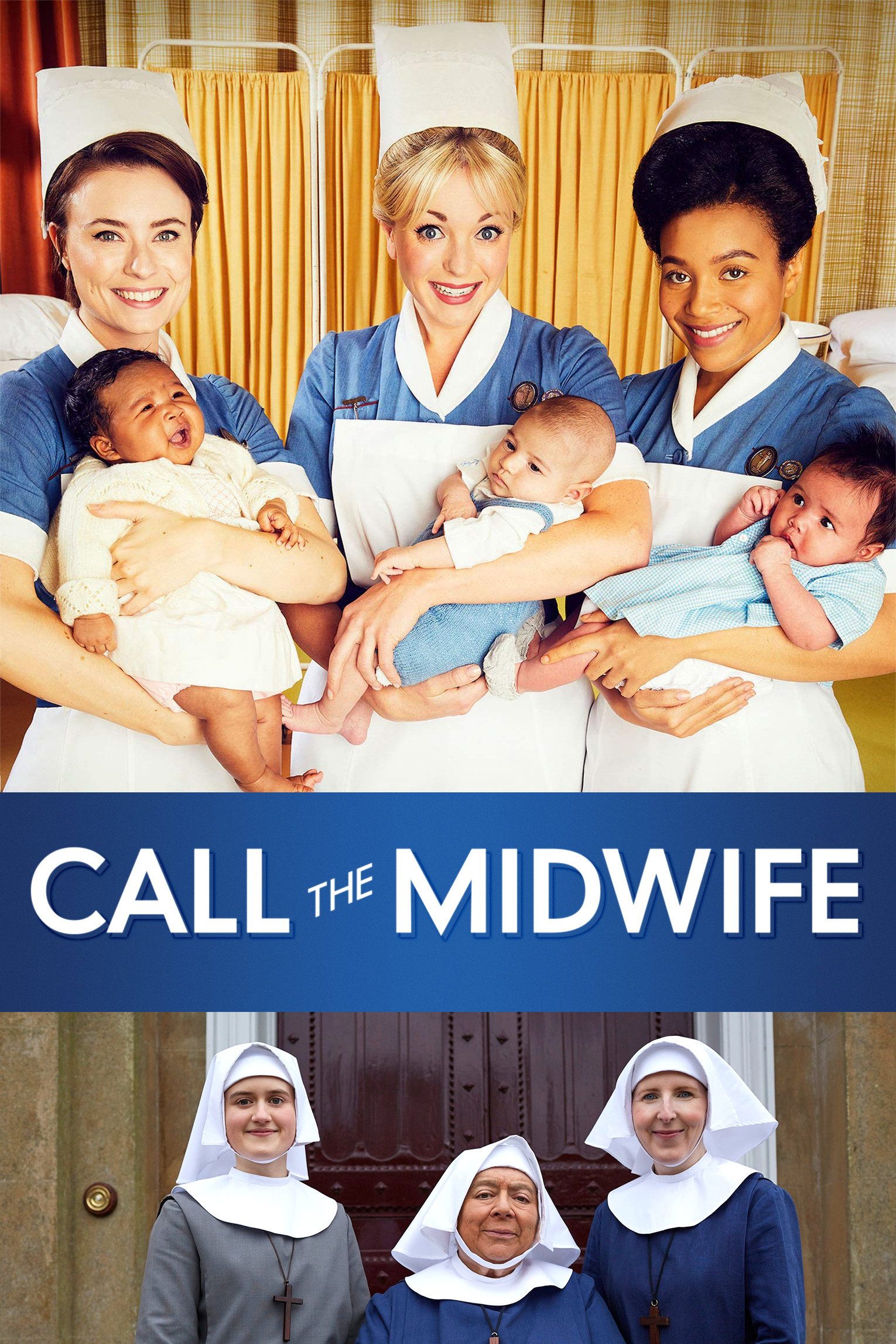
Judy Parfitt’s Sister Monica Joan and Pam Ferris’s Sister Evangelina keep the religious life from becoming one long display of saintliness. There is humour in the differences between these women, and the performances leave space for awkwardness and impatience. That matters in a programme so ready to believe the best of its characters. The faith is taken seriously, but the women are allowed personalities, and their company remains interesting even when there is no urgent medical problem to occupy them.
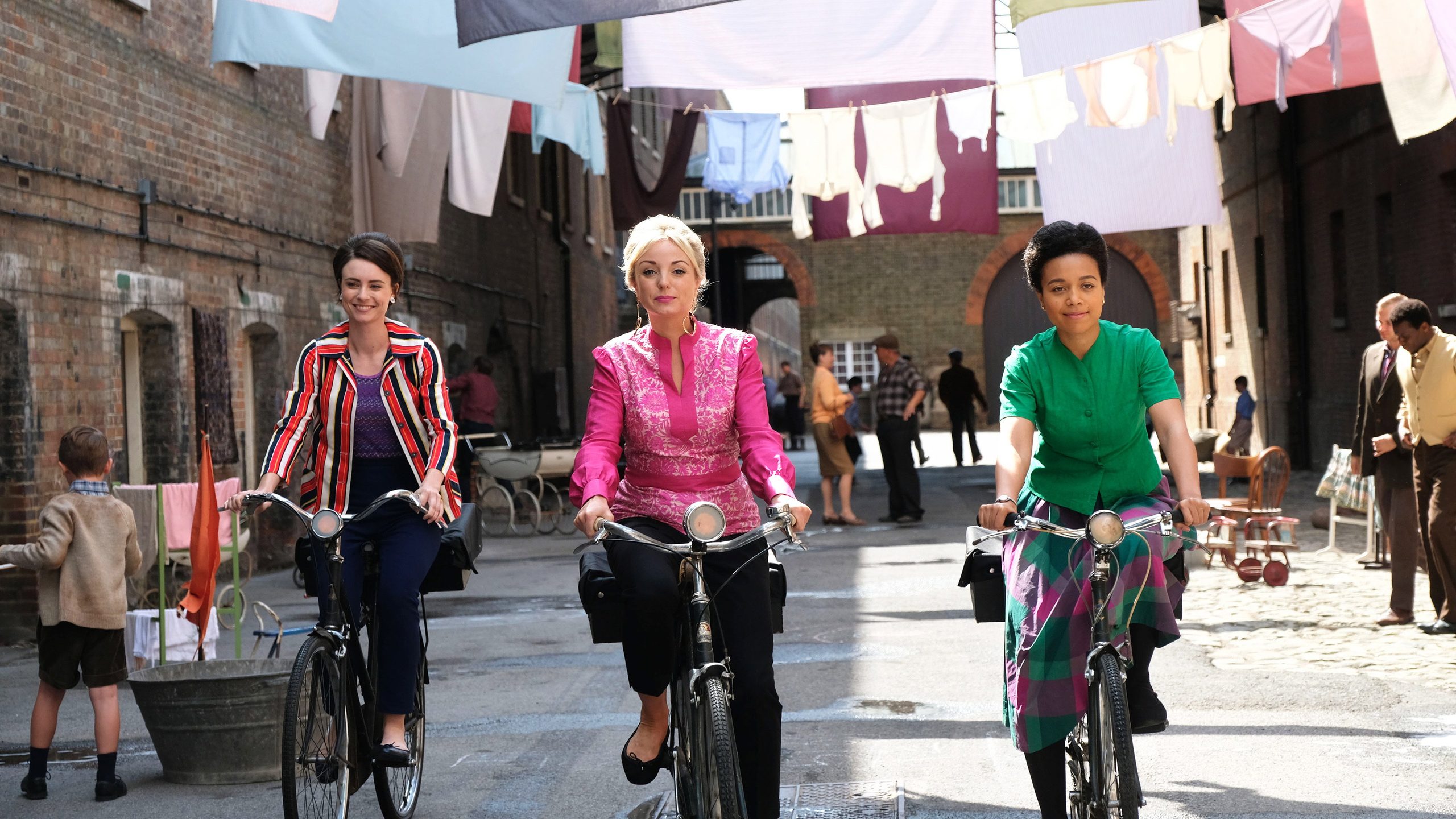
Cinematographers Kate Reid and Chris Seager keep the visual emphasis on the performers, a sensible choice for stories that depend on someone being heard. Amy Roberts’s costume design gives the period its due without making clothes the reason to watch. The surroundings can nevertheless feel tidier than the hardship being described, and that tidiness sometimes weakens the drama. We need not demand relentless ugliness from stories about difficult lives, but a little less reassurance in the pictures would help.
Peter Salem’s music is the more persistent difficulty. It can press for tenderness when the acting has already earned it, and the writing has a related tendency to tell us what a woman’s experience ought to mean. The episodic stories also become easier to anticipate once the programme has established how it likes to offer reassurance. These are limitations worth knowing about, especially for anyone who dislikes being guided towards a feeling, but they do not cancel the care taken over individual women.
Within the period medical drama, giving so much attention to mothers and to the labour of caring makes a useful difference. The programme finds things worth watching in ordinary competence, and permits happiness to carry a story without requiring an immediate disaster to justify it. Its strongest passages understand that a birth can be physically demanding and socially complicated at once. Its weaker ones settle for a lesson about kindness, leaving some of those complications insufficiently explored.
This is good company for an evening when patience and decency sound more appealing than another ingenious plot. The performances give its consolations enough weight to survive the occasional sermon, and the women’s work remains worth our attention. Start it for the people; if the music has to insist that a moment is touching, allow yourself to disagree.