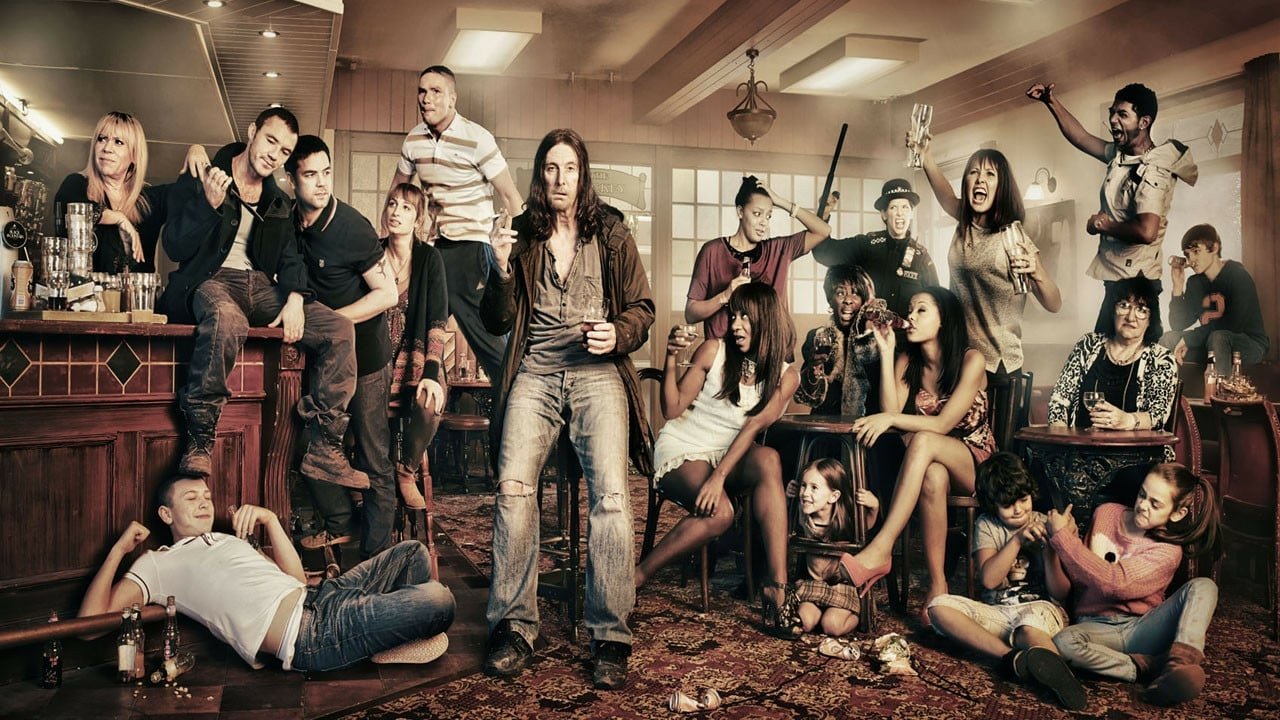
David Threlfall makes Frank Gallagher funny without making him easy company. Paul Abbott’s comedy-drama earns our affection through its ensemble, though uneven writing and an appetite for noise make it a qualified recommendation.
Paul Abbott’s Shameless is good company in fairly testing doses. The comedy-drama gets much of its force from David Threlfall’s Frank Gallagher, but its appeal depends on having other people worth watching when Frank has exhausted our patience. We recommend it for the acting and the willingness to let affection coexist with irritation. The caveat matters: the writing does not always know when an abrasive character has become an exhausting one.
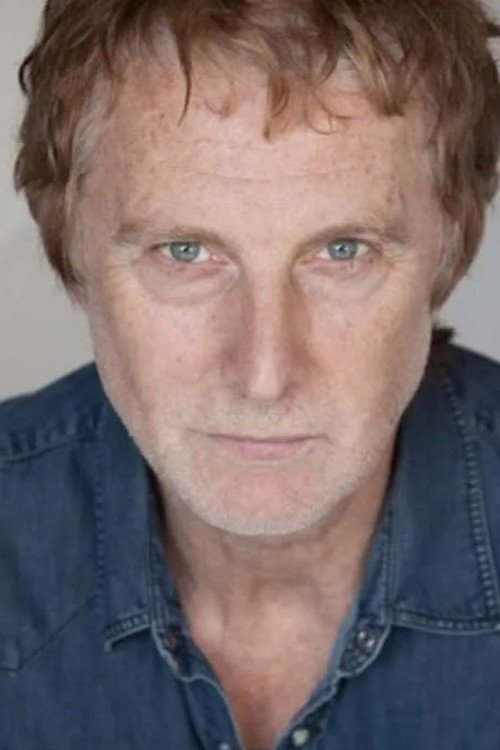
Threlfall’s great asset is his timing: Frank’s self-satisfaction is allowed to hang about just long enough to become ridiculous. We laughed at his self-satisfaction, then found ourselves cross with him. Threlfall does not rush to make Frank forgivable, or give every unpleasant quality a reassuring comic wink. He can hold our attention through sheer confidence, although the programme occasionally leans on that confidence when it needs a stronger scene.
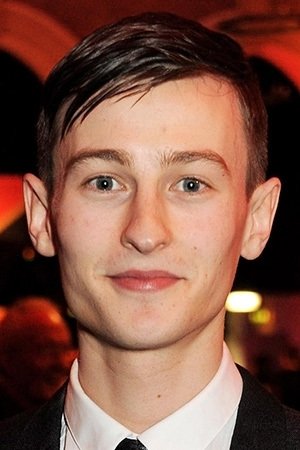
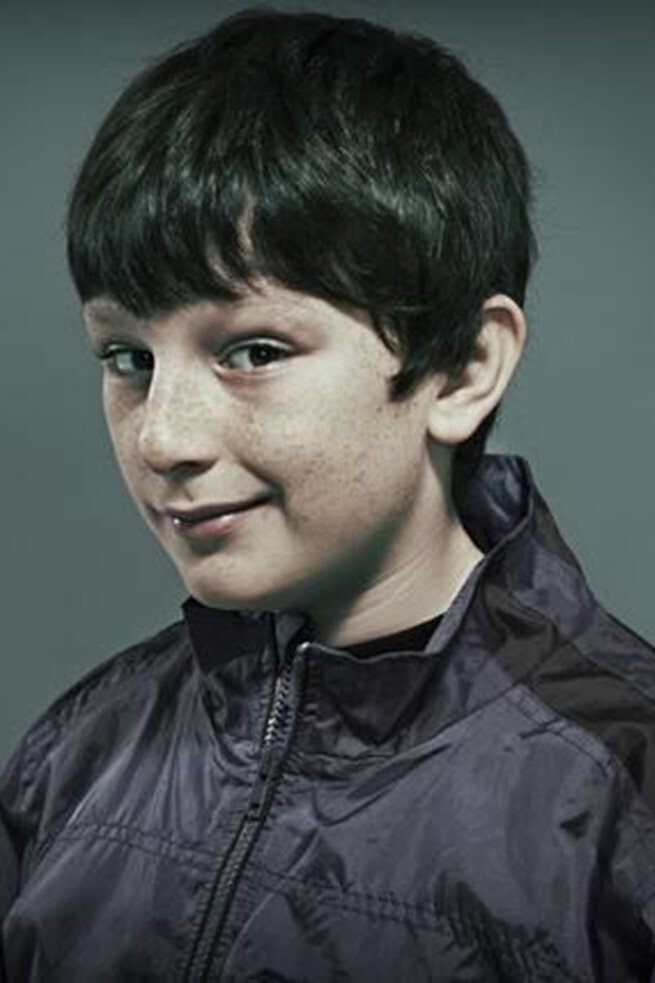
Rebecca Ryan’s Debbie Gallagher is valuable because Ryan does not need to compete with Threlfall’s volume to be noticed. Her more watchful presence gives the ensemble a useful change of pace, and makes us pay attention to somebody besides Frank. Ciarán Griffiths, as Mickey Maguire, finds comedy in the effort it takes to appear assured. These are different kinds of comic acting, and the programme benefits from letting them remain different instead of pushing everybody towards the same emphatic delivery.
The writing, with Abbott, Daniel Brocklehurst and Jack Thorne among the contributors, works best when it leaves the actors something to discover. Some exchanges give the performers room to be petty, evasive or unexpectedly considerate, and the humour grows from those changes. Elsewhere, the dialogue seems determined to announce how outrageous everyone is, long after the point has registered. At those moments the cast must supply differences between the characters that the words have stopped making.
Directors including Mark Mylod and Dearbhla Walsh have a cast capable of carrying comedy without constant underlining. The more successful scenes give us time to register reactions as well as declarations, making the ensemble feel like people attending to one another. That helps the drama, too: affection is easier to believe when it appears without a speech explaining it. We could do with more of that patience when the programme gets noisy.
Length makes the unevenness harder to ignore. Shameless runs to eleven series, with seven episodes in the first and 22 in the eighth, so recommending it is a different proposition from recommending a compact comedy-drama. The ensemble offers ample reason to continue, but no performance can make every stretch equally rewarding. There are episodes where spending more time with these characters is sufficient pleasure, and others where the writing asks too much of that attachment.
We welcome a family comedy that does not keep asking its characters to become more agreeable. Shortening some exchanges would help, but making these people easier to like would remove much of the pleasure. There is enough wit and good acting to make the rougher stretches worth tolerating. Start with the first series; nobody is obliged to sign up for all eleven.