John Wells moves Paul Abbott’s Manchester family to Chicago and gets the noise, the warmth and the children exactly right. What he cannot manage is poverty that looks like poverty, or the sense to stop before eleven seasons.
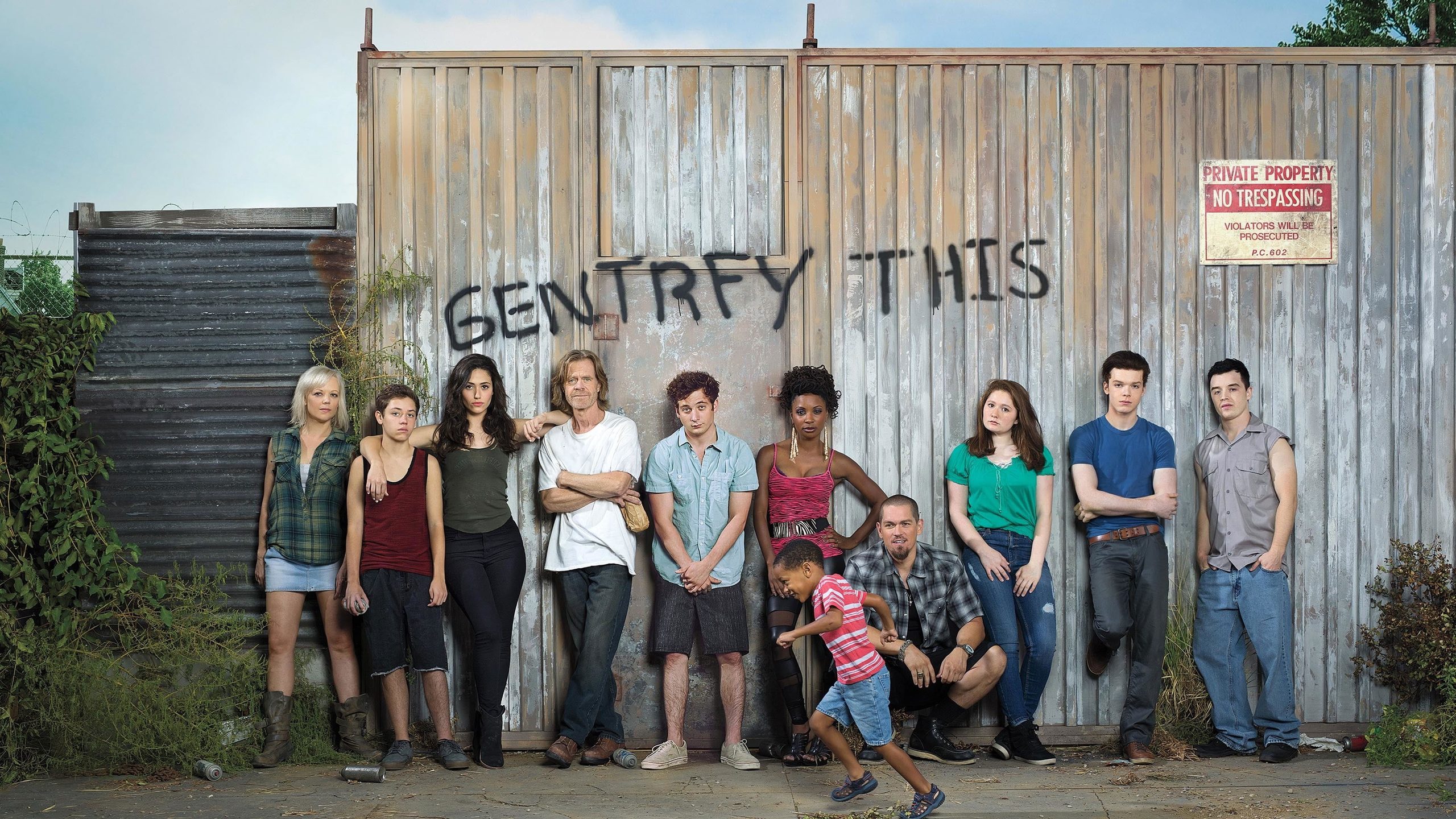
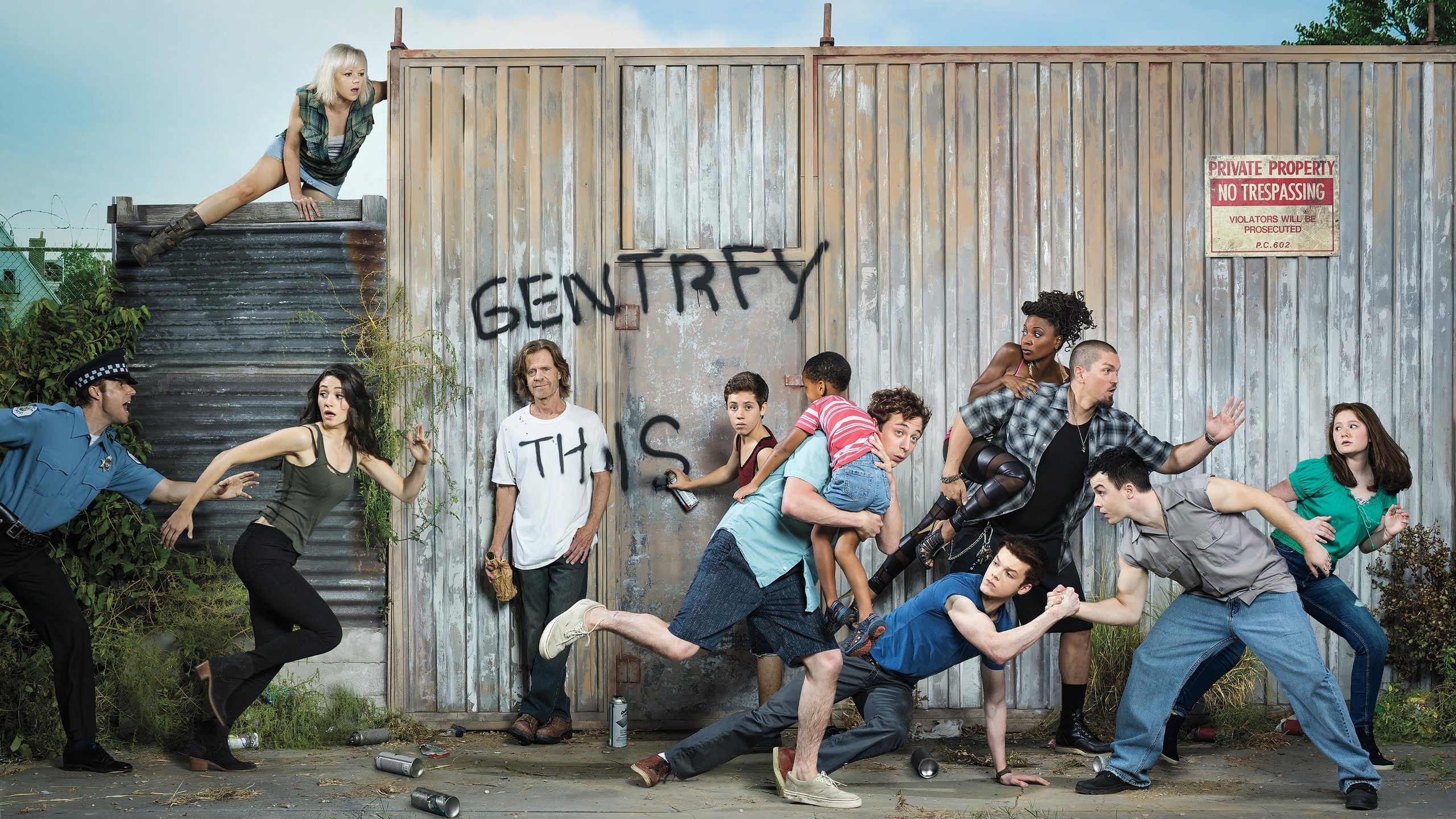
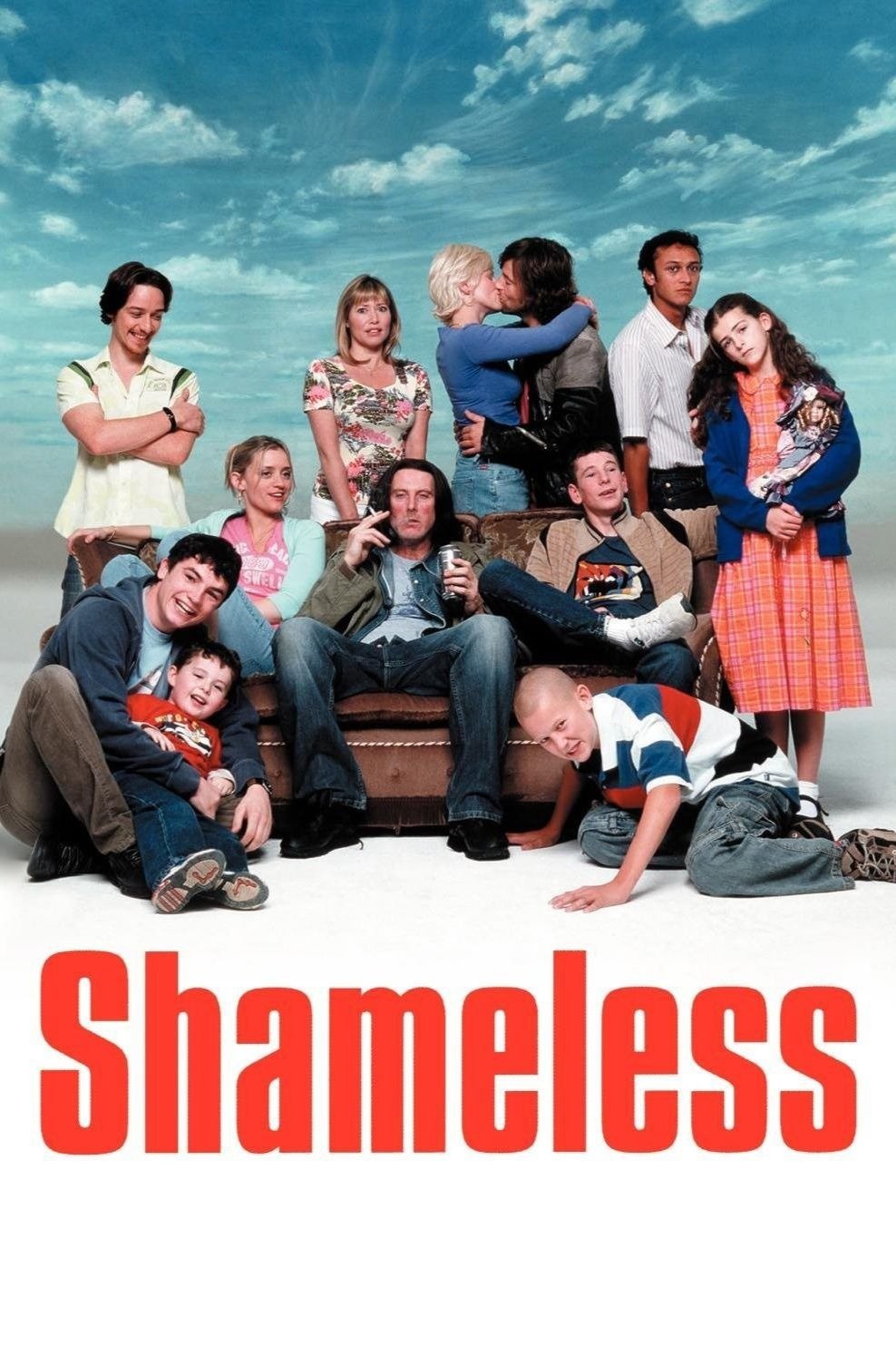
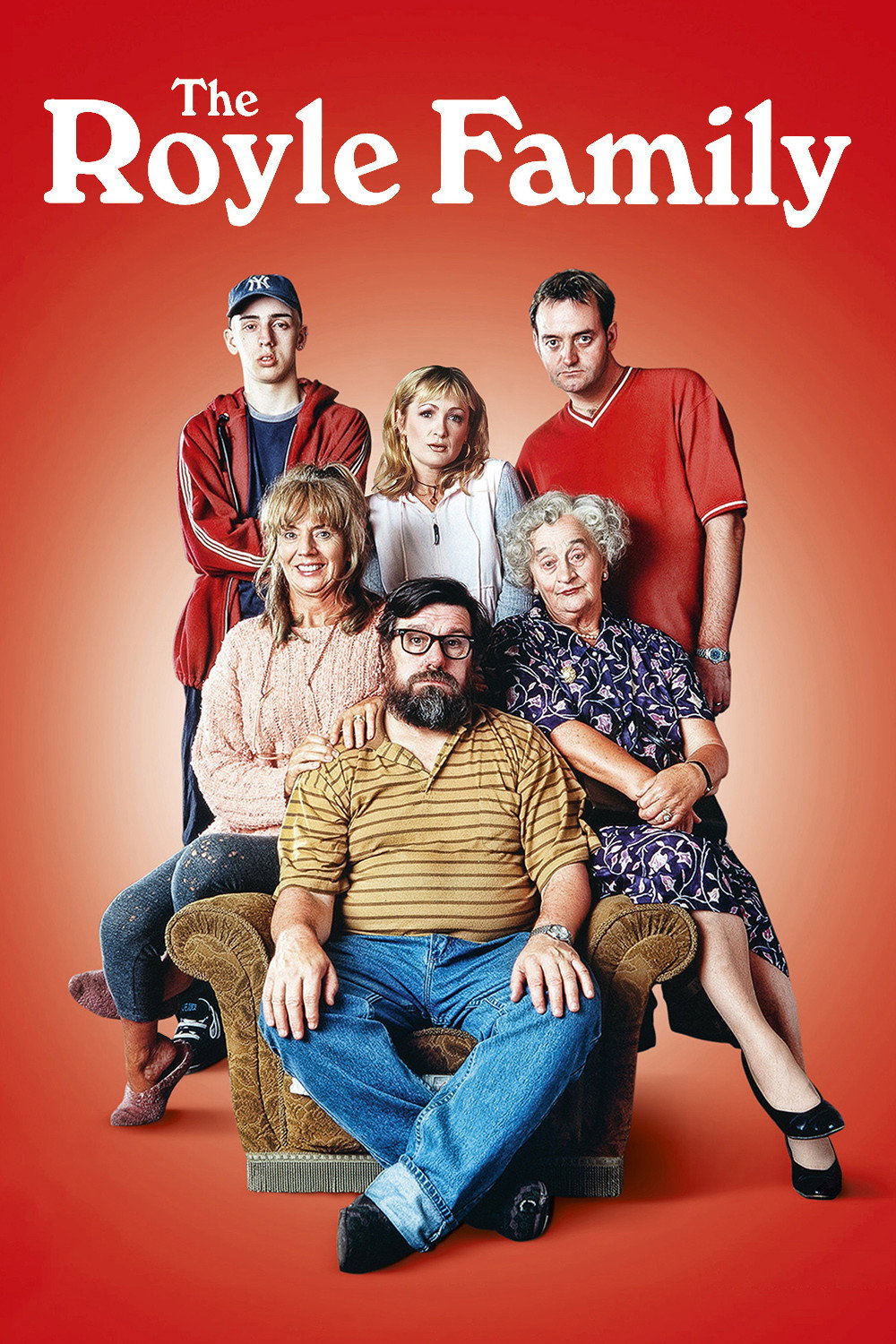
Paul Abbott’s Shameless was about a Manchester estate and a father who drank the child benefit. John Wells has moved the Gallaghers to the South Side of Chicago, kept the names and most of the first series’ plots, and run the thing for eleven seasons and 134 episodes from 2011. The early years are good, loud, generous television with a proper family at the centre of it. The later years are the same family doing the same things with less reason, and the cast has been too good-looking from the start. If the genre is yours, the first three or four seasons are worth your evenings.
The pilot, directed by Mark Mylod, sets the tone in its first minutes. Frank Gallagher tells us over the credits who his children are and what they are for, and then we watch the morning: six people and one bathroom, Fiona putting out cereal, everyone dropping a note or a coin into the jar on the kitchen shelf so the gas stays on. It is fast and it is funny and nobody explains anything, and it tells you more about how this house works than a season of exposition would. Wells writes it as a machine of small transactions and Mylod shoots it like a kitchen he has actually stood in.
Emmy Rossum is the reason it holds. Her Fiona is tired in the way people are tired at twenty-one when they have been a parent since twelve, and Rossum never asks us to admire her for it. She is sharp with the children, sharper with men, and she cries once in the first season, in a hallway, quietly, and we found ourselves more shaken by it than the scene seemed to want. It is the moment the show stops being a comedy about a drunk and becomes a drama about the people who clear up after him. Jeremy Allen White’s Lip, clever and furious and already half out of the door, is the other performance that lasts. Cameron Monaghan’s Ian and Noel Fisher’s Mickey Milkovich, who arrives later in the run and stays, give the show its best long story, and its most honestly written one.
Then there is William H. Macy. He is a fine actor having a wonderful time, and that is the difficulty. His Frank is eloquent, quick, delighted with himself, a man who can talk his way out of a bar tab and into a hospital bed. The writers, Nancy Pimental and Krista Vernoff and Etan Frankel among them, hand him speeches, and he delivers them beautifully. We laughed at nearly all of them and felt slightly grubby afterwards, because Frank’s charm is the show’s alibi for him, and it works on us the way it works on the children. Abbott’s original Frank was a wreck you could smell. Macy’s is a wreck you would buy a drink.
The British reviews in 2011 were sour about this, and about the rest of the cast, and they had a point they then overstated. Everyone in the Gallagher house is handsome. The winters are Chicago winters and nobody looks cold. The house is shabby in a way a production designer has arranged and lit, with clutter in the right places and never quite enough of it. It matters, because this is a show whose whole subject is not having enough, and the picture keeps telling us otherwise. What the reviews missed is that Wells has kept the thing Abbott cared about most, which is that the children love each other and the show loves them, and that survives the styling.
It does not survive the length. By the seventh or eighth season the scheme-of-the-week has hardened into a format, Frank’s monologues have become a weekly turn, and the show has stopped asking what happens to a family like this and started asking what happens next. Directors as capable as Mimi Leder and Adam Bernstein pass through and cannot change what the scripts are for. Abbott’s version had the same problem and ran nearly as long, so this is a fault in the house rather than the tenants.
Watch the first three seasons, with the sound up, and stop whenever the jar on the shelf stops meaning anything to you. It carries a 15 certificate, and it earns it in the first ten minutes.