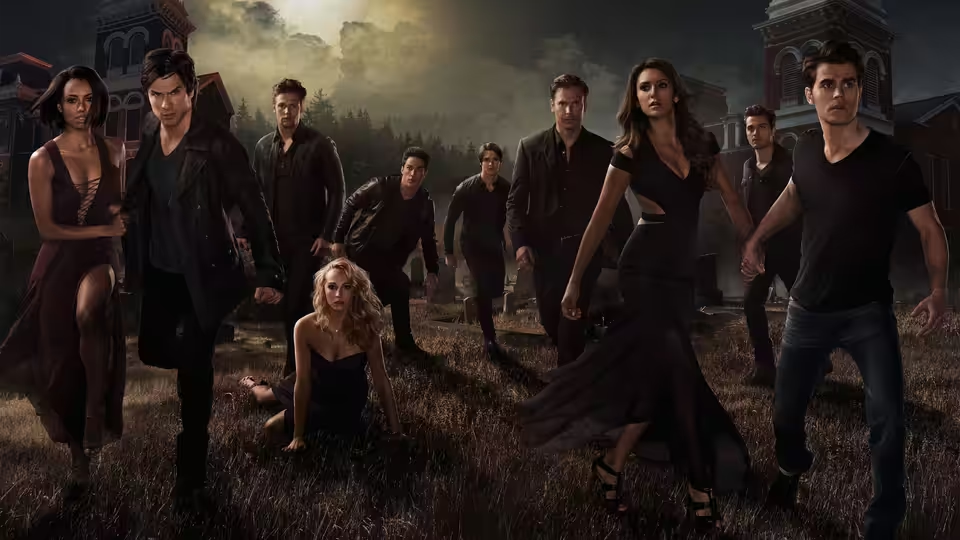
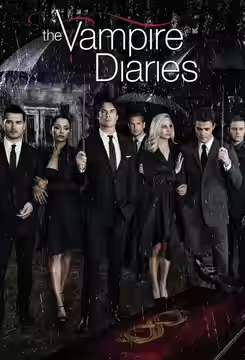
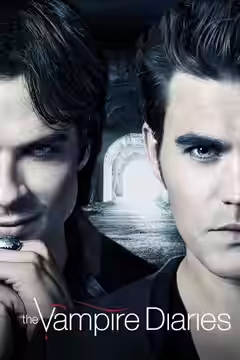
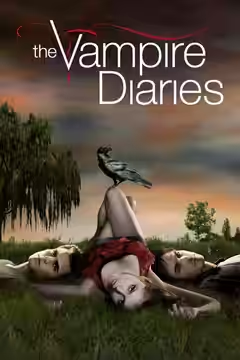
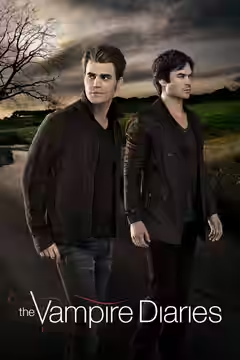
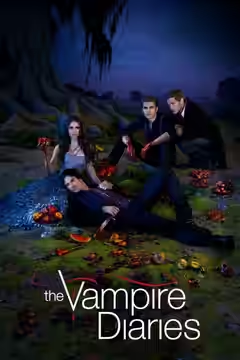
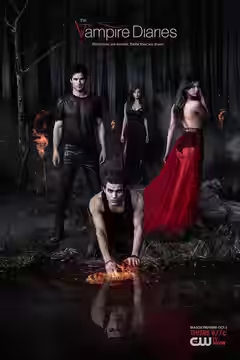
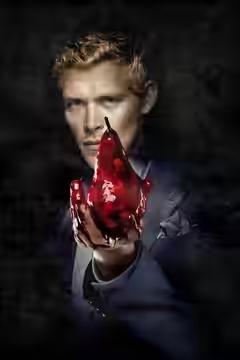
Ian Somerhalder gives this earnest supernatural soap the mischief it needs. The opening is familiar and occasionally stiff, but the cast and brisk storytelling make it worth forgiving if teenage melodrama is your sort of evening.
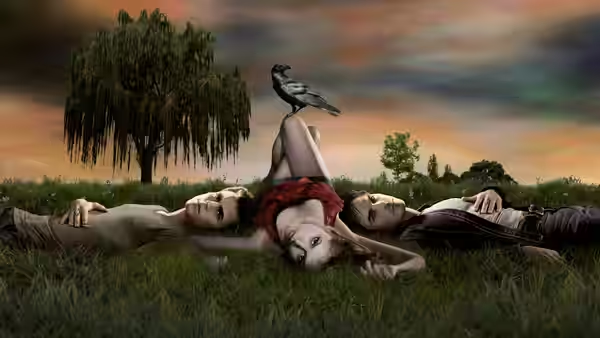
The Vampire Diaries is a good supernatural soap with a stiff opening, worth staying with if teenage romance is already your weakness. Creators Julie Plec and Kevin Williamson treat young people’s feelings with a seriousness that can be touching and can also test our patience. High school offers love triangles, mysterious deaths and rather more anguish than the timetable requires. The familiar setup needs actors who can make all that unhappiness interesting, and it does not immediately give everyone the chance.
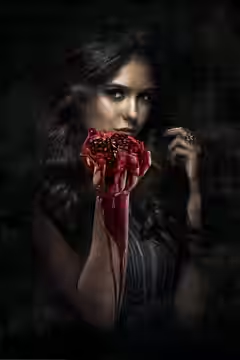
Nina Dobrev gives Elena Gilbert enough vulnerability to make the romantic attention matter. The performance works because she allows the feelings their full weight without making every moment seem like a demand for sympathy. Paul Wesley, as Stefan Salvatore, has the less immediately rewarding task of sustaining the solemnity. His restraint suits the romantic drama, although there are stretches when another serious look is not quite enough to hold a scene. Together they establish an earnestness that the programme would be foolish to discard.
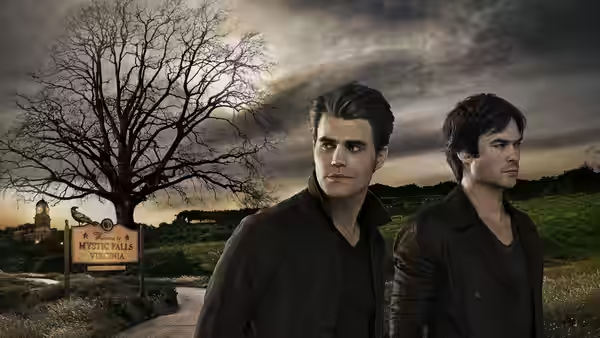
We were relieved when Damon Salvatore arrived. Ian Somerhalder enjoys the character’s nastiness so openly that the surrounding romantic misery becomes easier to bear. He understands how much pleasure there is in watching someone behave badly when everybody else is struggling to say the right thing. The performance is broad, but the series needs that extra energy, and he supplies it without pretending the material is beneath him. It also exposes how interchangeable some of the supporting teenage performances can initially feel.
The writing is more interesting when attraction makes someone excuse bad behaviour. That gives the questions about forgiveness and growing up a reason to be there, rather than leaving them for another grave conversation. It is familiar territory for teenage fantasy, but useful territory when the characters are allowed to change. The quick storytelling helps: there is usually another complication before the current one has been exhausted. Sometimes a little more time with the consequences would help.
The polish is occasionally too reassuring for the horror. Blood interrupts the romance, but the programme’s smooth presentation seldom makes the surroundings feel deeply unsafe. Michael Suby’s music takes the emotional upheaval seriously, which suits a series so unwilling to laugh off its characters’ distress. That support is useful until the solemnity becomes oppressive. We are more persuaded by the shifts in pace between romantic anxiety and gory action, which keep either from settling into a long, unbroken stretch.
There are limits to the writing’s persuasiveness. The teenagers can sound as though their dialogue has been carefully prepared, and the supernatural premise does not make that stiffness disappear. Ancient vampires spending so much time around adolescents also requires a tolerance for the genre’s peculiar priorities. The sincerity helps, but it cannot turn every familiar romantic obstacle into a fresh discovery. Anyone hoping for sustained dread should know that the romantic entanglements claim a great deal of the attention.
We recommend it for the cast and the willingness to let a potentially silly premise become emotionally important. It earns that recommendation gradually; the opening’s dutiful introductions are a poor measure of how involving the character development can become. The vampires will not make teenage melodrama palatable to anyone who dislikes it already. If that is your objection, a change of programme will do more than another episode.