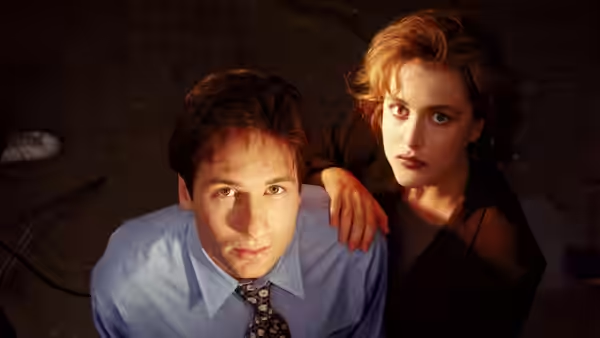
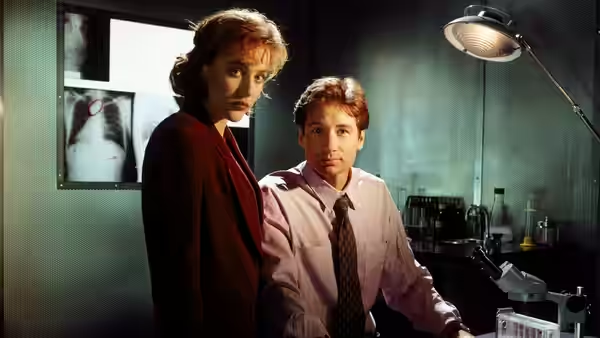
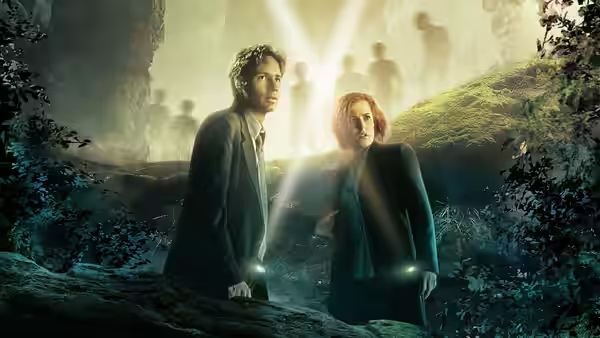
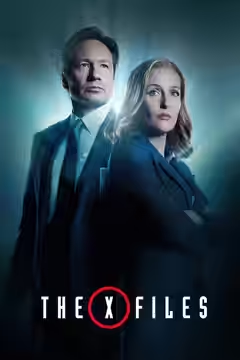
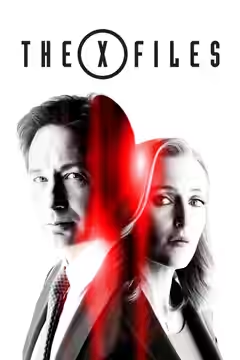
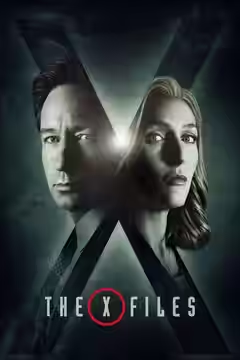
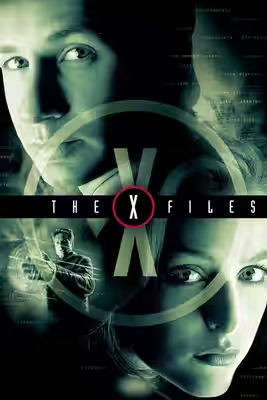
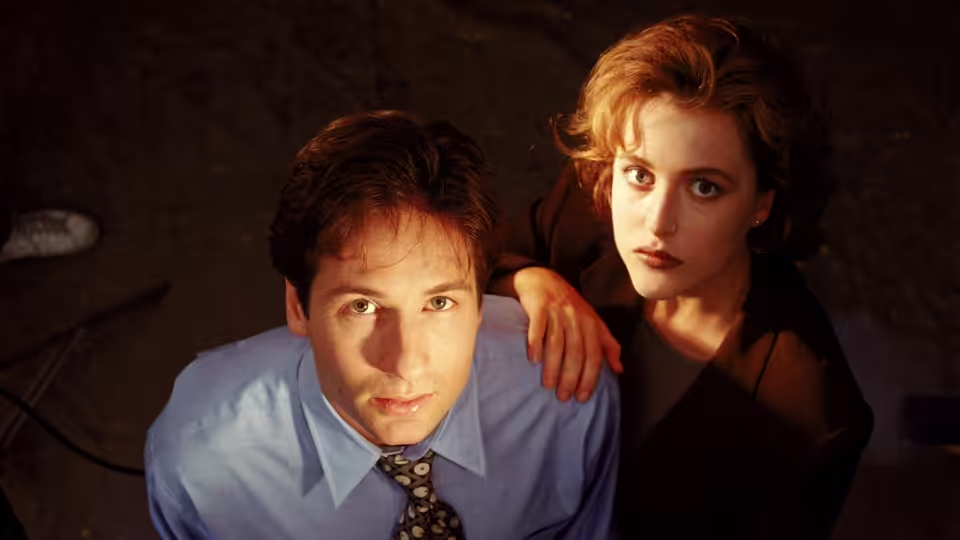
Fox Mulder (David Duchovny) and Dana Scully (Gillian Anderson) looking upwards together
Series review

The X-Files

1993 · Created by Chris Carter · Series · Kijkwijzer 16

In a sentenceMulder and Scully could make us worry about a missing stapler

Fox Mulder (David Duchovny) and Dana Scully (Gillian Anderson) investigate unexplained occurrences that raise the possibility of alien activity and concealed information. Their enquiries bring questions about what has happened, what can be proved and who might want an explanation kept out of reach. As individual mysteries unfold, the developing partnership between the investigators becomes central to the series, with room left for doubt about the cases they pursue. The cast also includes Mitch Pileggi as Walter Skinner and William B. Davis as CGB Spender.

Fi1m review

David Duchovny and Gillian Anderson make The X-Files an absorbing companion for a long evening of unexplained events. We recommend it warmly, with a warning that its fondness for secrecy sometimes tries the patience.

The X-Files is a rewarding mystery series with a habit of testing our patience over answers. Its opening takes unexplained occurrences, possible alien activity and the suspicion of a cover-up seriously enough to make an investigation inviting. The questions matter, but there is also pleasure in watching two people work through them together, without requiring each exchange to bring a revelation. David Duchovny plays Fox Mulder; Gillian Anderson plays Dana Scully.

Duchovny makes Mulder’s persistence engaging, with enough ease in the performance to prevent the enquiry from becoming a lecture. Anderson gives Scully’s responses equal importance, so that listening becomes something worth watching rather than the wait before the next speech. Their chemistry depends on attention, and neither performer needs to make a great display of it. We believe that these people find each other interesting, which helps when the details of a case threaten to become laborious.

The pilot establishes this relationship while leaving room for doubt about what is being investigated. We were unsettled by its hints of a cover-up. The possibility that somebody already has an explanation, and is choosing to conceal it, makes the investigators’ uncertainty feel dangerous. Chris Carter’s writing is effective when it keeps that suspicion close to the immediate case, giving the characters something to question without asking them to explain the entire premise to each other.

The cinematography of John S. Bartley and Joel Ransom encourages us to look carefully without making every image feel like a clue we ought to record. It is controlled work, well suited to a programme that needs its unexplained events to remain open to interpretation. Graeme Murray’s production design is convincing without constantly demanding to be noticed. The settings support the investigation instead of continually insisting on their own strangeness.

The editing team, including Jim Gross and Heather MacDougall, gives the questioning enough time to register. A response can matter as much as a discovery, and the pace generally lets us consider both without losing the case. Mark Snow’s music is effective at making uncertainty uncomfortable, though it can press harder than a scene needs. The score sometimes tells us to be alarmed when the exchange between the actors has already done enough.

The larger weakness is the writing’s fondness for keeping something back. Carter can make the possibility of another secret seem important for longer than the actual question deserves, and suspense begins to feel like delay. Repeating the suggestion of concealment does not always give the investigators something fresh to do. With eleven series, this is a programme to approach without a completionist’s sense of duty.

The mixture of crime enquiry and science fiction suits television because a new case can renew our interest without replacing the investigators. Duchovny and Anderson give that continuing relationship enough warmth to make the uncertainty bearable. Those looking for tidy solutions will need more patience than those who enjoy the enquiry. Watch it with someone who likes disputing an explanation, and leave time afterwards for the dispute.
Critical consensus AI synthesised

67
Positive
5
Mixed
1
Negative
3

Most critics come down in favour, and the praise gathers around the pilot and the early standalone episodes. The pairing of Mulder and Scully is named again and again as the foundation: two leads with an easy rapport, working unexplained cases that end with a twist and room for doubt. Several reviews credit the monster-of-the-week stories with setting a standard for television horror, and the 1993 notices find the script ingenious and the direction cool.

The spread is wide. Reservations cluster on the running conspiracy plot, which Empire finds overblown in the revived season while welcoming the return of self-contained cases. The Hollywood Reporter calls the premise laboured and the drama not involving. Two later pieces go further: Vulture argues the show glamorised anti-government paranoia in ways that now look dated, and The Telegraph holds that it turned hackneyed and outlived its novelty. The harshest verdicts come from critics looking back, not from those who saw the pilot fresh.

Radio Times
10 September 2023 · Jack Francis
90*

The article hails the pilot as the greatest in TV history for perfectly establishing the show's mysterious tone, central Mulder-Scully chemistry, and 'trust no one' ethos that defined the series.

Read the full review →
The AV Club
13 June 2008 · A- · Keith Phipps
90

The critic finds the pilot effective at establishing the show's template of unexplained occurrences investigated with twists, leaving room for doubt. It singles out the chemistry and setup between Mulder and Scully as a strong foundation despite some by-the-numbers elements.

Read the full review →
The i Paper
10 September 2018 · Mark Butler
85*

The piece celebrates how the early seasons' monster-of-the-week episodes revitalized TV horror with inventive, chilling standalone stories that set a high standard still unmatched by many later shows.

Read the full review →
Variety
13 September 1993 · Tony Scott
80*

The critic finds the series promising for sci-fi/mystery fans, praising the well-produced entry, ingenious script, solid team of leads, cool direction, and drive and imagination that give TV sci-fi a boost.

Read the full review →
Empire
6 February 2018 · James Dyer
65*

The review finds the new season's overarching conspiracy plot disappointing and over-the-top but praises the return to strong standalone supernatural procedural episodes that recapture the show's classic appeal.

Read the full review →
The Hollywood Reporter
9 September 1993 · Miles Beller
40*

The critic notes some interest despite a labored premise, compares to Twin Peaks and Twilight Zone with camp kick, but concludes it doesn't quite deliver involving drama.

Read the full review →

Straight answers AI written, from our review

Is The X-Files worth watching?
The X-Files is worth watching for anyone who enjoys a mystery that values the argument over the answer, and we scored it 84. David Duchovny and Gillian Anderson make the partnership between Mulder and Scully absorbing enough to carry a long evening. Its habit of keeping secrets back for longer than the question deserves will try the patience of viewers who want tidy solutions.
How long is The X-Files, and what is it rated?
The X-Files is rated 16 by the Kijkwijzer in the Netherlands. It is a mystery and sci-fi & fantasy series.
Where can I watch The X-Files in the Netherlands?
The X-Files is streaming on Disney+ in the Netherlands. Availability is checked daily; the links above go straight to each service.
How violent or frightening is The X-Files, and is it suitable for children?
The X-Files carries a UK 18 certificate, so it is not suitable for children, and its unexplained events and hints of a cover-up are unsettling rather than gory in the review's account. Teenagers used to crime drama will manage most of it. The squeamish should note that the 18 rating implies adult material we have not itemised.
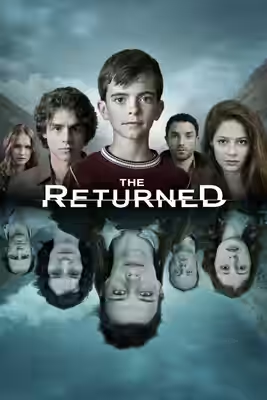
How does The X-Files compare to The Returned?
The X-Files is the busier and more companionable of the two, built around a new case each week and the partnership of its two investigators, where The Returned is a slow French mystery about the dead walking home, with almost no scares and a great deal of dread. The first run of The Returned is the finer television; The X-Files is the better long companion, and forgives you skipping.
What should I watch after The X-Files?
After The X-Files, try Cure (1997, Fi1m 85): A colder investigation, where patient questioning makes the unexplained increasingly difficult to bear. Then The Returned (2012, Fi1m 85): A patient French mystery that makes impossible events feel painfully close to home.

Cast

Awards

Golden Globes, 1998

Won
Best Television Series – Drama

Saturn Awards, 1997

Won
Best Actress on Television

If you liked this, try…

  1. Twin Peaks (1990) · not reviewed yetFor small-town unease, investigative curiosity and jokes that make the dread worse.

  2. Quatermass and the Pit (1967) · not reviewed yetAlien possibilities meet stubborn enquiry, with a satisfying distrust of easy explanations.

  3. Cure (1997, Fi1m 85)A colder investigation, where patient questioning makes the unexplained increasingly difficult to bear.

  4. Fringe (2008) · not reviewed yetMore unexplained cases, with a strong ensemble and room for unexpected tenderness.

  5. The Returned (2012, Fi1m 85)A patient French mystery that makes impossible events feel painfully close to home.

Free account

Know what to watch tonight

Two lists that know where things are streaming, collections you can share, your own score beside ours, and Discover that remembers what you have seen.

  • Want to see, sorted by what is streaming now
  • Seen, with your score out of ten
  • No adverts, ever