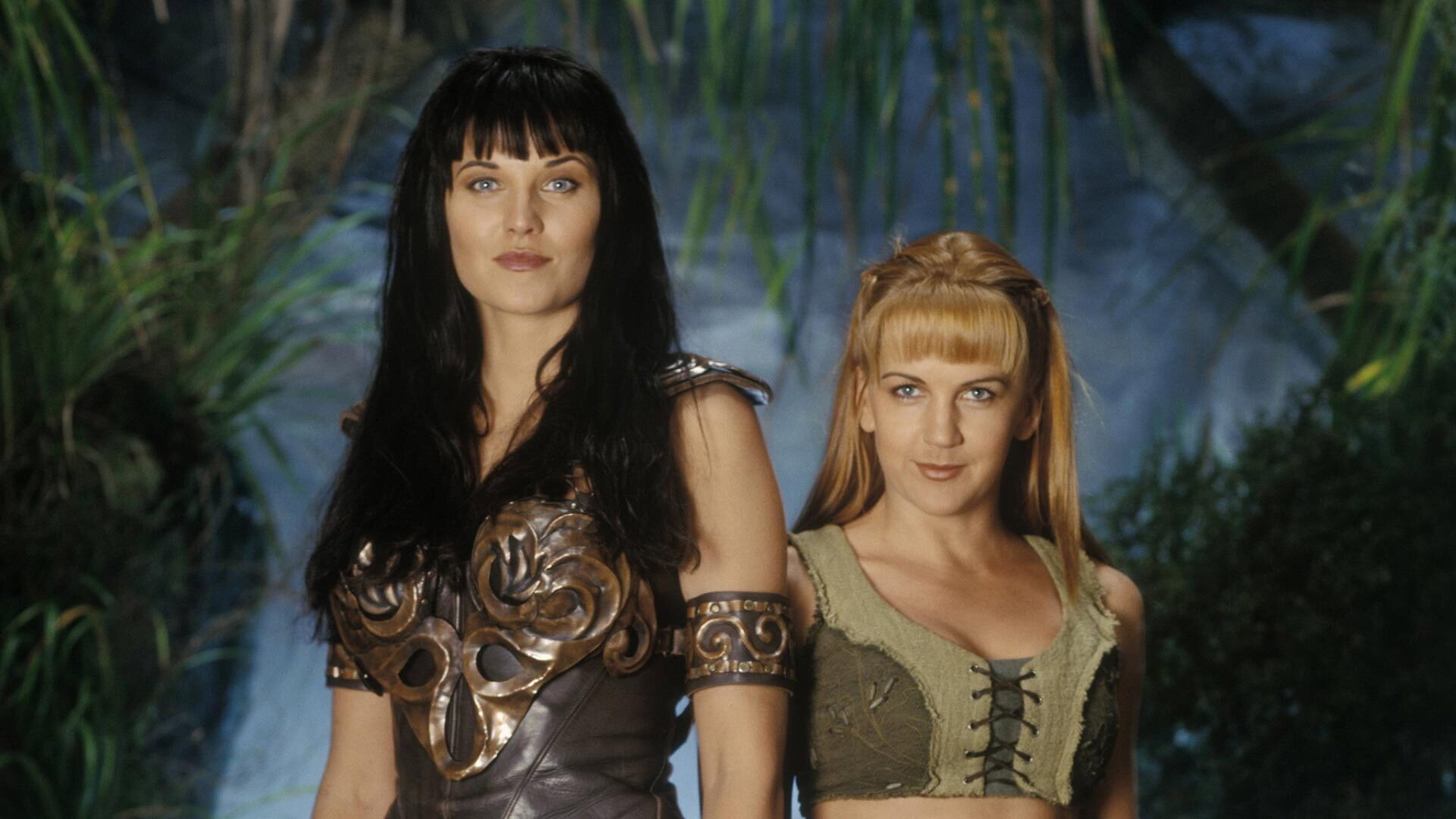
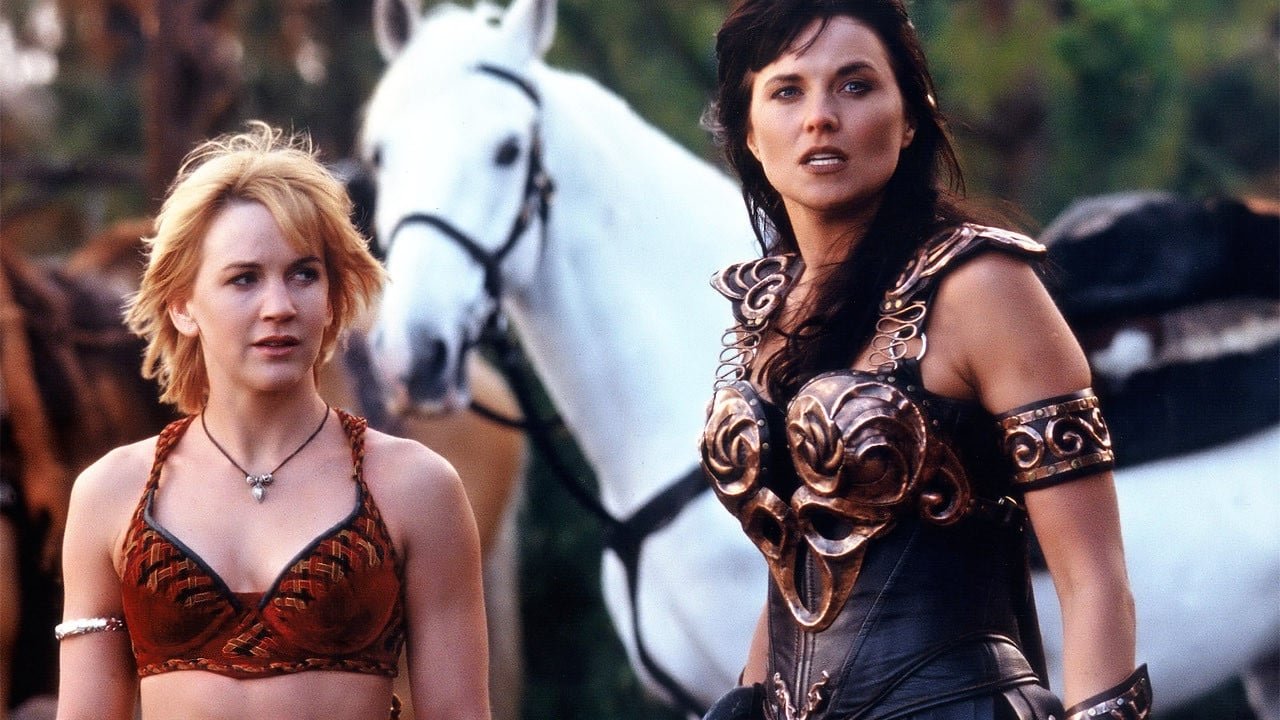
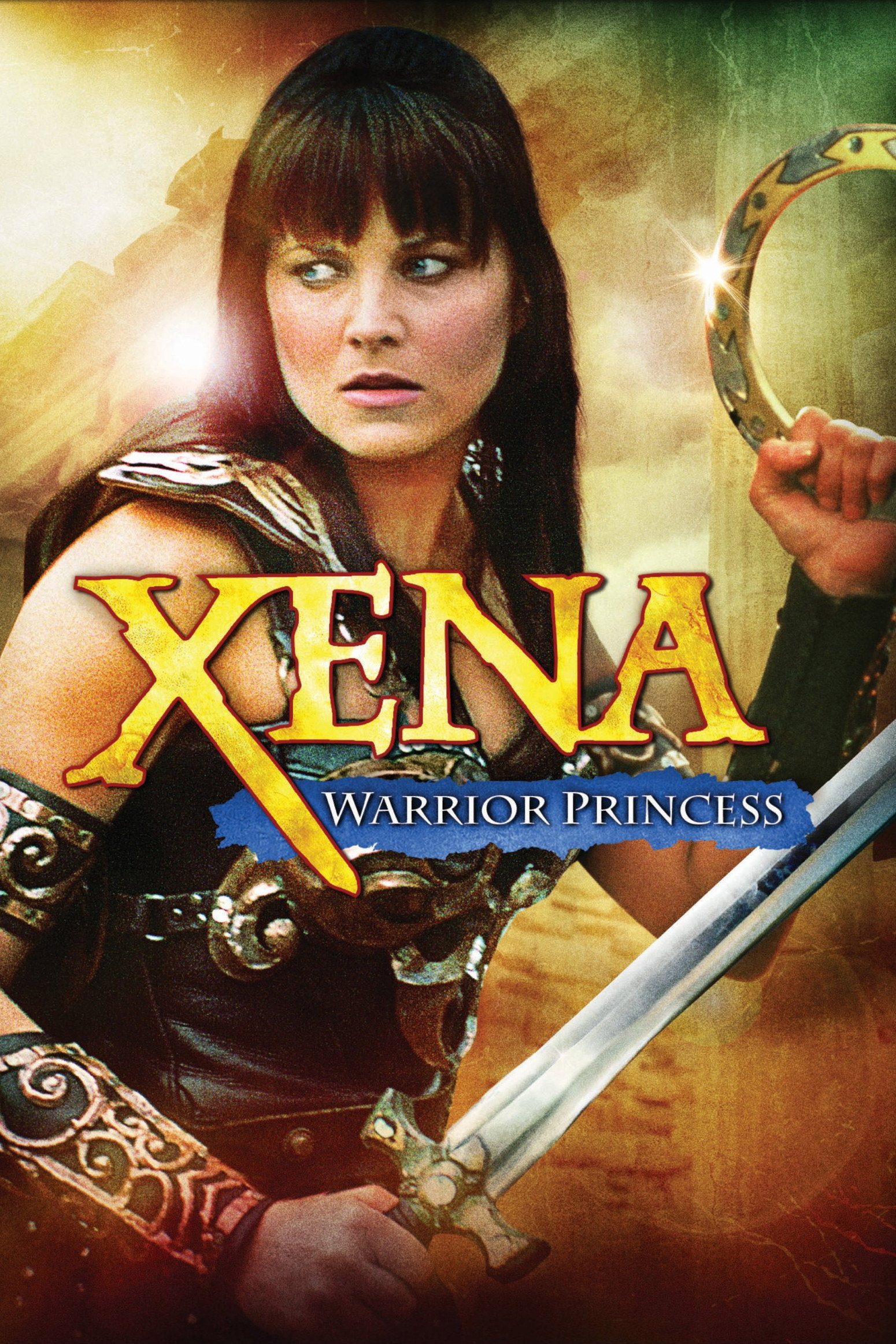
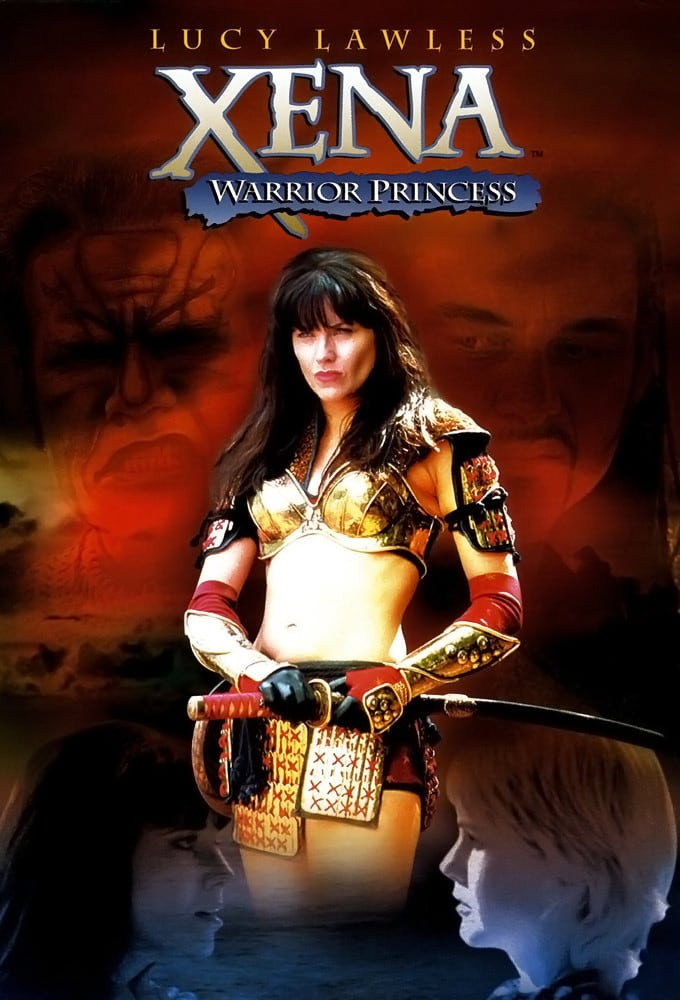
Lucy Lawless plays a warlord trying to be good and Renée O’Connor the village girl who will not leave her alone, and for six seasons the show is loud, silly and far more sincere than its wigs suggest. Come for the fights; stay for the friendship.
Xena: Warrior Princess began as a spin-off from Hercules: The Legendary Journeys, and it was plainly meant to be the same thing with a taller lead and a different chest plate. Robert Tapert and John Schulian created it, Sam Raimi produced, and it ran from 4 September 1995 for six seasons and 134 episodes of 44 minutes each. It is a good show, sometimes a surprising one, and the surprise is how much of it is about two people talking round a campfire rather than the fights that got it made.
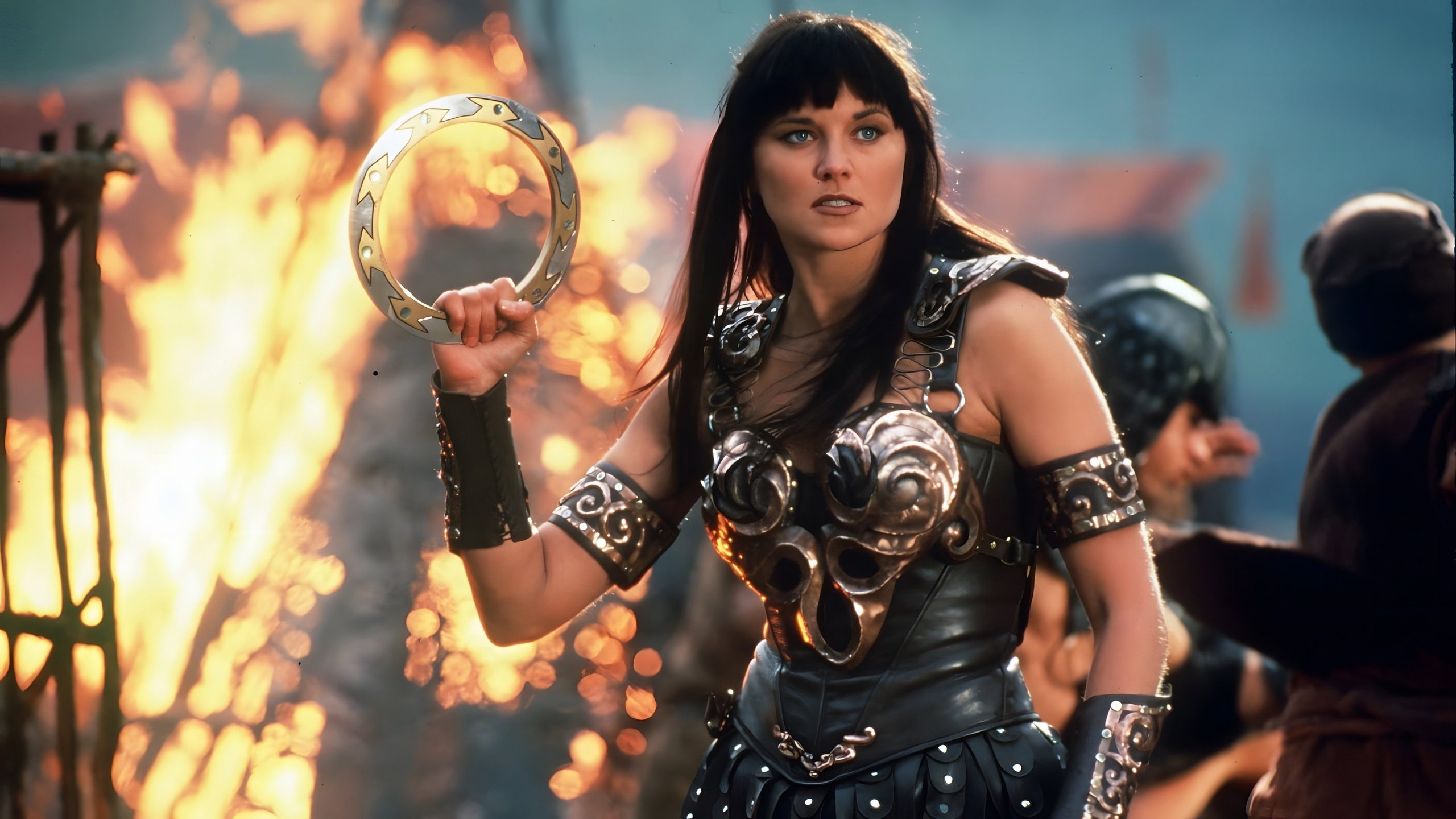
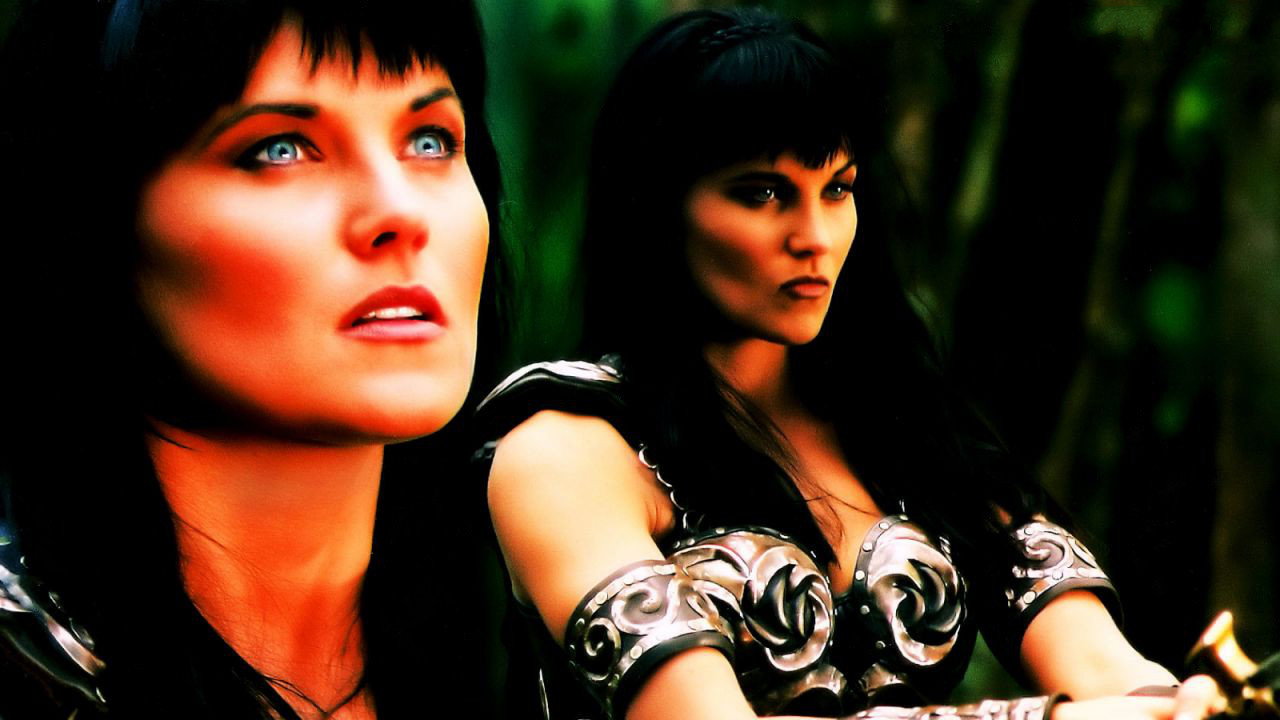
Lucy Lawless is the reason it works. She is tall, she can fight, and she can do the flip-and-yell business with a straight face, which most actors cannot. What she does that the part did not require is play guilt. Xena grins, throws a chakram that bounces off three helmets and returns to her hand, and then in the next scene sits with her back to the fire looking like a woman who cannot sleep. Lawless keeps both in the same body and never asks us to choose. Renée O’Connor’s Gabrielle is the talker, all questions and stories and ideals, and the show is smart enough to make her the one who changes most.
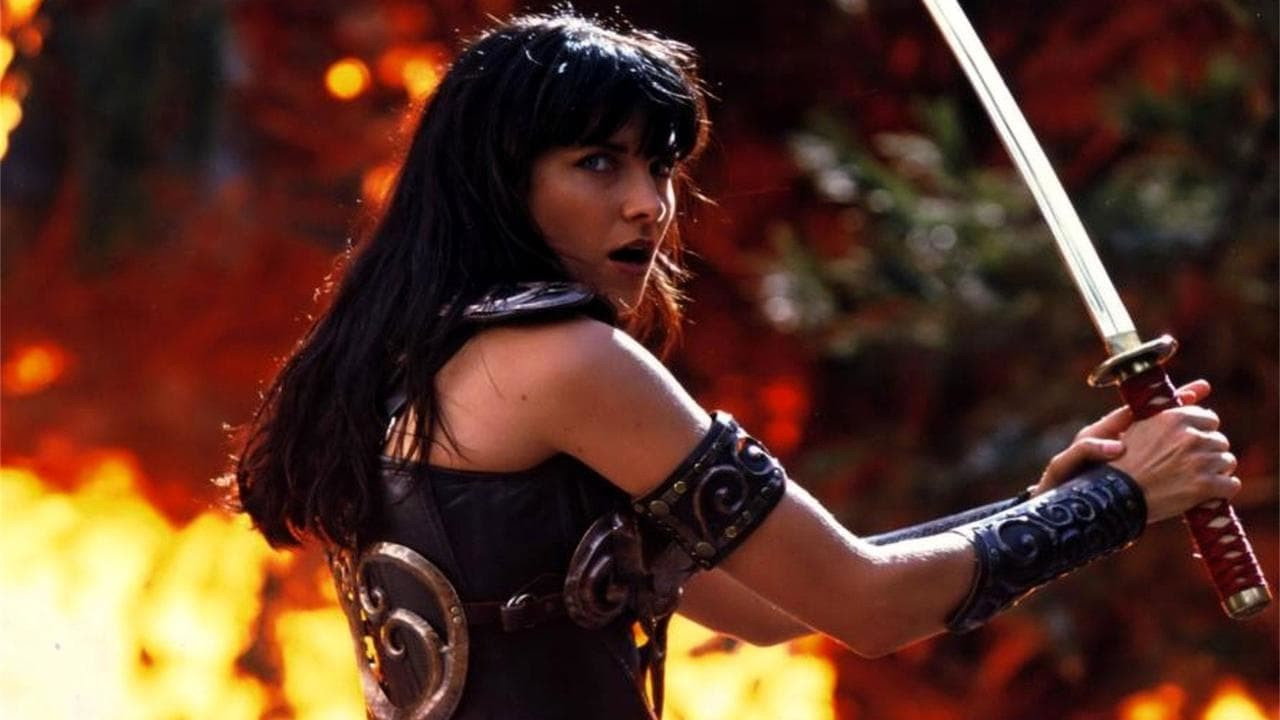
The pictures are better than syndicated action had any right to be. It was shot in New Zealand, and Allen Guilford, Donald Duncan and John Cavill give ancient Greece green hills, wet rock and enormous skies that no Greek has ever seen and nobody watching will mind. Douglas Ibold, Jim Prior and Robert Field cut the fights hard, with whip pans and speed changes and the whistle of that chakram on the soundtrack, so that a woman on a wire looks like a woman who can fly. Joseph LoDuca’s score opens every episode with a chorus of women chanting over drums, and it does more to sell the world than any line of dialogue.
It is also, often, ridiculous. The wigs are bad. The villains bellow. Some of the early effects would embarrass a school play. The comedy episodes swing from properly funny to painful, and the swing can happen inside a single hour. We winced at a good many things in season one, and we will not pretend the writing keeps pace with its own ambition every week. Kevin Smith’s Ares, though, is a real pleasure: a god of war played as a man in black leather who half flirts and half threatens, and who plainly finds Xena’s repentance a personal insult.
Here is what caught us out. We came for camp and got it, and then somewhere in the second season we noticed we minded what happened to these two. It was the quiet scenes that did it, the ones where nothing happens except Gabrielle asking whether a person can change and Xena declining to answer. The show believes she can, and it makes the case slowly, without speeches, over years. We were moved, and we had not budgeted for that.
The writers, R.J. Stewart, Steven L. Sears, Chris Manheim and Liz Friedman among them, were willing to try nearly anything: farce one week, a body count the next, an episode sung almost all the way through. Directors were drawn from the family, Michael Hurst and Bruce Campbell from Hercules, and O’Connor herself behind the camera for some episodes. Not all of it lands. The later seasons take turns we will not describe, and one or two of them we would argue with. But the show earns the right to be argued with, which Hercules rarely did.
It carries a 15, mostly for the fighting, and it is built for evenings rather than binges. Watch the first two episodes back to back. If the second one has not made you smile at the leather and care a little about the girl with the staff, this is not for you, and no amount of chakram will change that.