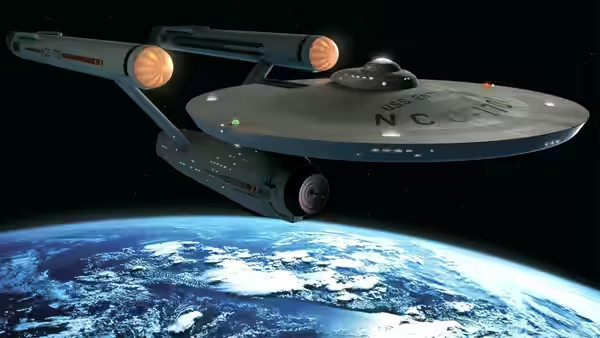
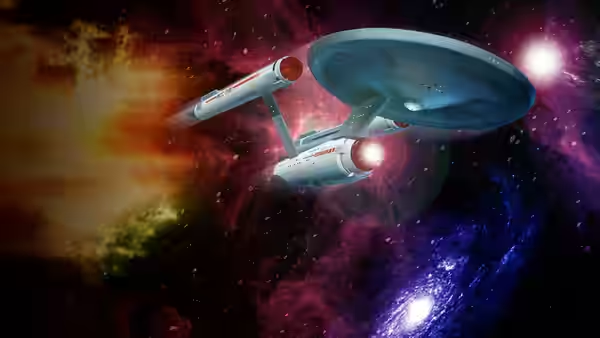
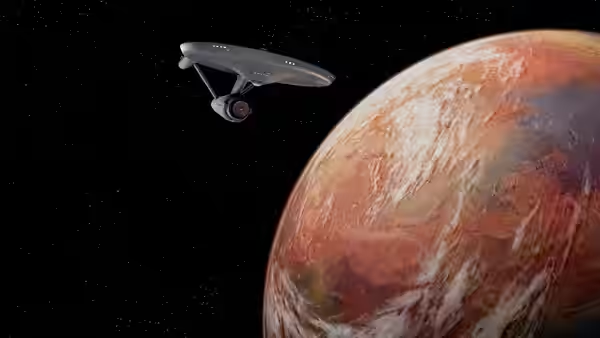
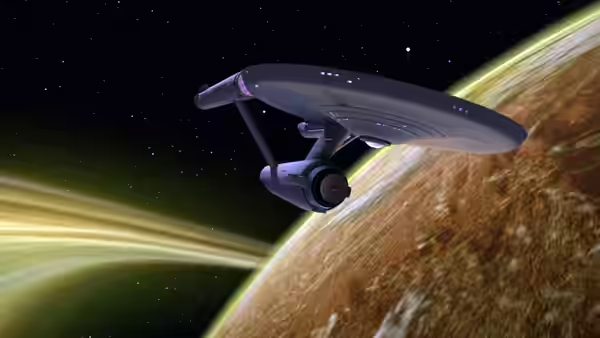
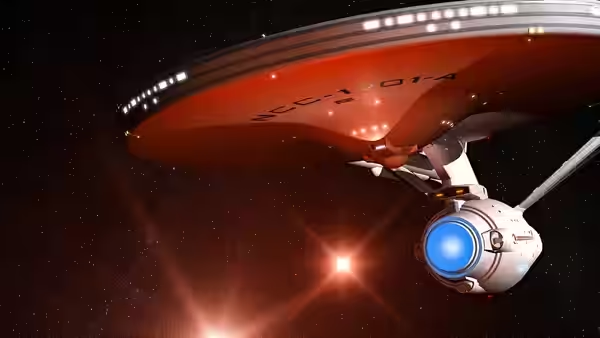
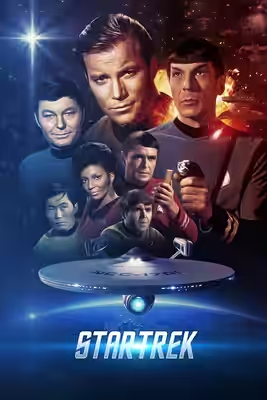
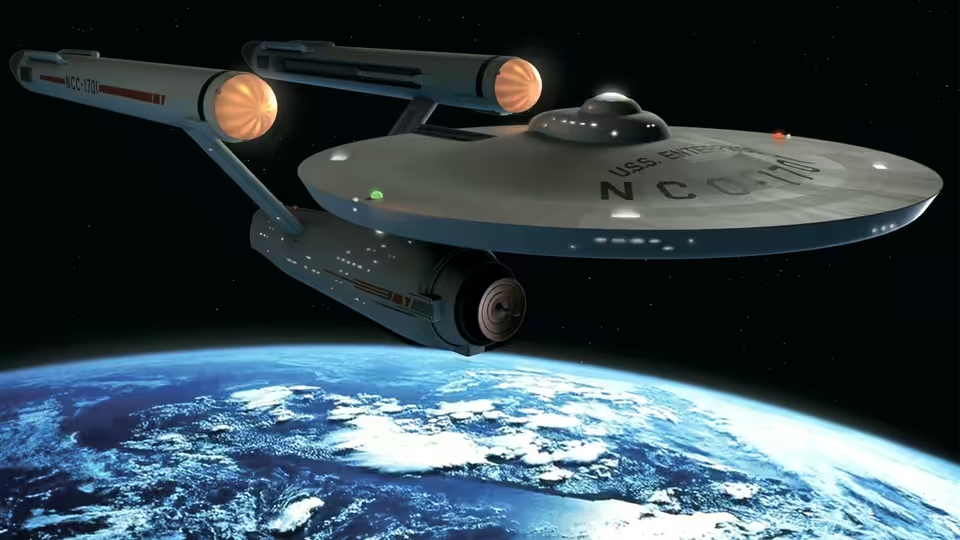
Starship Enterprise orbiting above a blue planet with white clouds
Series review

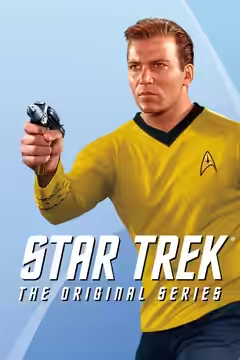
Star Trek

1966 · Created by Gene Roddenberry · Series · 50m

In a sentenceWe would happily explore space with this crew, though meetings might take a while

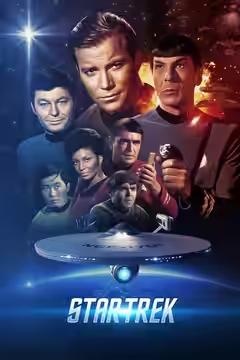
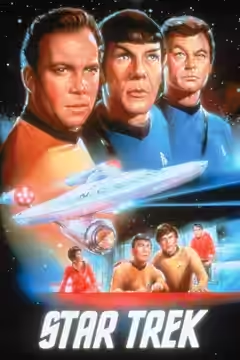
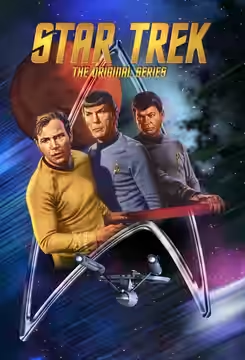
James T. Kirk (William Shatner) sets out to explore the unknown with Spock (Leonard Nimoy) and Dr. McCoy (DeForest Kelley). Their encounters bring danger, unfamiliar technology and questions about how they should treat the people they meet. Scott (James Doohan), Sulu (George Takei) and Uhura (Nichelle Nichols) are among the companions sharing those adventures. The explorers must decide how to respond to threats without abandoning the curiosity that brings them there. Different judgements within the group complicate the decisions, while the gadgets at their disposal cannot settle every question.

Fi1m review

Star Trek makes its hopeful outlook persuasive through William Shatner, Leonard Nimoy and DeForest Kelley. The moral lessons can be blunt, but the pleasure of watching these three disagree survives the dated effects.

Gene Roddenberry’s Star Trek is worth watching for the company, even when the story needs patience. Its optimism becomes convincing because William Shatner, Leonard Nimoy and DeForest Kelley make disagreement enjoyable: these people can argue without making us wish they would separate. The science-fiction adventures give them questions about responsibility and other people’s rights, and the strongest passages allow those questions to cause trouble. We recommend it warmly, with a warning that some lessons arrive already underlined.

William Shatner gives James T. Kirk an impatience that keeps discussion from settling into a lecture. Leonard Nimoy’s Spock can make a restrained response feel as pointed as an interruption, while DeForest Kelley’s Dr. McCoy supplies the irritation that polite reasoning leaves out. We laughed at their exchanges because DeForest Kelley makes exasperation sound so affectionate, without asking Leonard Nimoy to soften his delivery. All three actors help us believe that these people would choose to spend more time together, even after a conversation that has tested everyone’s patience.

Gerald Perry Finnerman is among the cinematographers, and the photography gives the performances the attention they need. Faces remain interesting when the effects have stopped being persuasive; a doubtful look is often enough to hold a scene together. Walter M. Jefferies’s production design gives the actors a coherent place to work, even when we remain conscious of the scenery. The programme becomes easier to accept once we stop inspecting every surface and attend to the people using it.

John Hanley and John M. Foley are among the editors, and the cutting is strongest when it lets a disagreement gather pace. The pauses give the actors room, although not every stretch of explanation earns that room. Alexander Courage, one of the composers, helps make the adventure feel inviting rather than forbidding, an important contribution to the programme’s optimism. At times the musical insistence makes a modest threat seem overannounced.

The weak point is how readily a moral problem can become a demonstration. Once the characters seem assigned to particular opinions, their arguments lose some of the untidiness that makes the better exchanges pleasurable. The theatrical acting can be funny, but broad playing and a blunt lesson together can make an episode feel laborious. Those are the stretches when the characters seem to be explaining something we have already understood.

Against science fiction that treats every encounter as an excuse for a fight, the curiosity here remains appealing. The writers include D. C. Fontana, Gene L. Coon and Theodore Sturgeon, and the adventures have enough variety of tone to withstand some repeated habits. At its best, the programme gets suspense out of a decision that cannot be made comfortably, then lets the actors make that discomfort recognisable. Its hopefulness seems earned whenever a character has to work at understanding someone else.

Watch an episode at a time, and give the talk as much attention as the danger. The unevenness is easier to forgive when William Shatner, Leonard Nimoy and DeForest Kelley can establish their rhythm without a long sitting exposing every repeated move. If the arguments between those three make you smile, there is plenty here worth forgiving.

Critical consensus AI synthesised

82
Positive
6
Mixed
0
Negative
0

The reviews are uniformly positive about the original Star Trek, with praise centring on its ideas, characters and confidence in a better future. Most critics value the moral storytelling and ensemble performances, with the chemistry between Kirk, Spock and McCoy receiving particular attention. The retrospective reviews emphasise how well the plotting and performances hold up, while also recognising the series’ influence on science fiction and its willingness to address social questions.

Reservations are limited, chiefly concerning modest production values and effects that show their age; critics generally find that the writing and cast compensate. The spread is fairly narrow, with no outright dissent, though The Hollywood Reporter’s contemporary premiere review offers more restrained approval, concentrating on suspense, gadgetry and effective direction. Den of Geek takes a different focus, praising the remastered effects for improving the images without compromising the programme’s spirit.

Empire
7 September 2004 · Angie Errigo
90*

The review praises the landmark 1966 series as a pioneering sci-fi phenomenon with strong characters, moral tales, and optimistic vision, crediting its enduring appeal despite modest production values and initial ratings struggles. It highlights the first season's strong episodes and the contributions of writers and cast.

Read the full review →
The Guardian
5 March 2015
90*

The review calls the original Star Trek series a groundbreaking classic whose influence endures through its innovative storytelling and effects. It singles out the unbeatable trio of leads—Kirk, Spock, and McCoy—for their chemistry and the show's bold social themes, including racial diversity and progressive ideas.

Read the full review →
The AV Club
7 September 2004 · Keith Phipps
80*

The critic praises the original series for its ambitious ideas-driven storytelling and strong ensemble cast despite low-budget effects and production challenges. The review highlights how the show's schematic character dynamics and mix of drama and camp have aged well as a foundational sci-fi classic.

Read the full review →
The Times
28 August 2004
80*

The critic finds real thrill in rewatching the episodes from the first series of the 1966 show. The bulk are skilfully plotted and magnificently played, with standout performances in episodes like Space Seed and The City on the Edge of Forever; the series invented modern science fiction as we know it.

Read the full review →
The Hollywood Reporter
· Bill Ornstein
70*

The original 1966 review of the premiere episode finds suspense and gadgetry that will appeal to sci-fi fans, with Mark Daniels directing effectively to build tension. It concludes the show should be a winner.

Read the full review →
Den of Geek
20 May 2009 · James Hunt
80*

The critic praises the remastered versions of the original Star Trek series for their subtle CGI updates and improved visuals that better realize the original intentions while preserving the show's spirit. The enduring cultural impact and strong storytelling of the 1966-1968 series are highlighted as reasons it remains iconic.

Read the full review →

Straight answers AI written, from our review

Is Star Trek worth watching?
Star Trek is worth watching for anyone who enjoys watching three people argue well, and we scored it 83. William Shatner, Leonard Nimoy and DeForest Kelley make the disagreements a pleasure, and the curiosity of the adventures survives dated effects. Some moral lessons arrive already underlined, so take it an episode at a time rather than in a long sitting.
How long is Star Trek, and what is it rated?
Star Trek has episodes of about 50m. It is a sci-fi & fantasy and drama series.
Where can I watch Star Trek in Ecuador?
Star Trek is not on any streaming or rental service in Ecuador at the moment. It is available in 12 other countries; change your country at the top of the page to see where. Availability is checked daily.
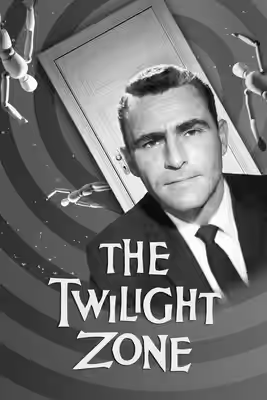
How does Star Trek compare to The Twilight Zone?
Star Trek is the warmer of the two, The Twilight Zone the more unsettling. Roddenberry's crew argue their way towards hope, and the pleasure is the company, while Serling's anthology sets a compact moral puzzle each week and trusts humanity a good deal less. Choose Star Trek for characters you want to return to; choose The Twilight Zone for tighter storytelling and unease that lingers.
What should I watch after Star Trek?
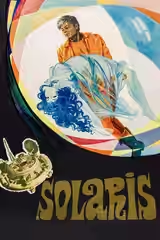
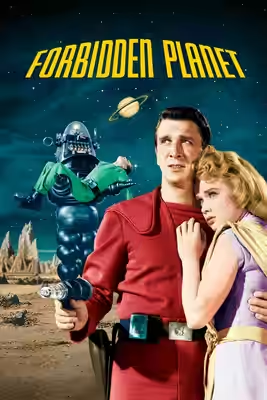
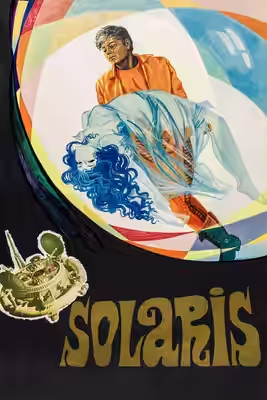
After Star Trek, try Forbidden Planet (1956, Fi1m 81): An exploratory crew encounters problems its equipment cannot help it understand. Then The Twilight Zone (1959, Fi1m 84): Compact moral puzzles, with more unease and less confidence in humanity; and Solaris (1972, Fi1m 87): For the moments when exploration becomes an uncomfortable examination of the explorer.

Cast

Awards

TCA Heritage Award, 2014

Nominated
TCA Heritage Award

Saturn Awards, 2004

Won
Best Retro Television Series on DVD

Primetime Emmy Awards, 1969

Nominated
Outstanding Supporting Actor in a Comedy Series

Hugo Awards, 1968

Won
Best Dramatic Presentation

Primetime Emmy Awards, 1967

Nominated
Outstanding Drama Series
Nominated
Outstanding Supporting Actor in a Drama Series

If you liked this, try…

  1. Forbidden Planet (1956, Fi1m 81)An exploratory crew encounters problems its equipment cannot help it understand.

  2. The Twilight Zone (1959, Fi1m 84)Compact moral puzzles, with more unease and less confidence in humanity.

  3. Solaris (1972, Fi1m 87)For the moments when exploration becomes an uncomfortable examination of the explorer.

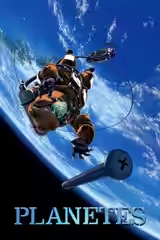
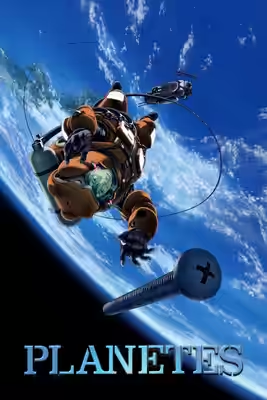
  4. Planetes (2003) · not reviewed yetWorkplace friction and space travel, with patient attention to ordinary human needs.

  5. Arrival (2016, Fi1m 86)A more intimate account of the patience needed to understand strangers.

Free account

Know what to watch tonight

Two lists that know where things are streaming, collections you can share, your own score beside ours, and Discover that remembers what you have seen.

  • Want to see, sorted by what is streaming now
  • Seen, with your score out of ten
  • No adverts, ever