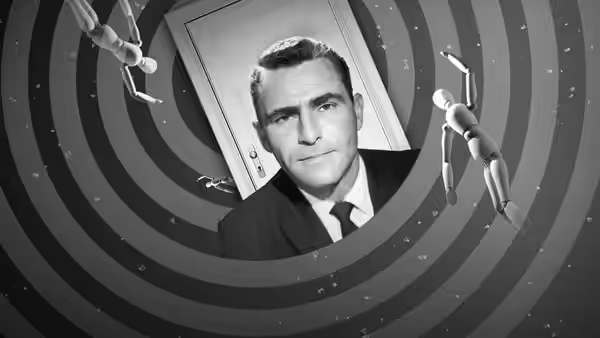
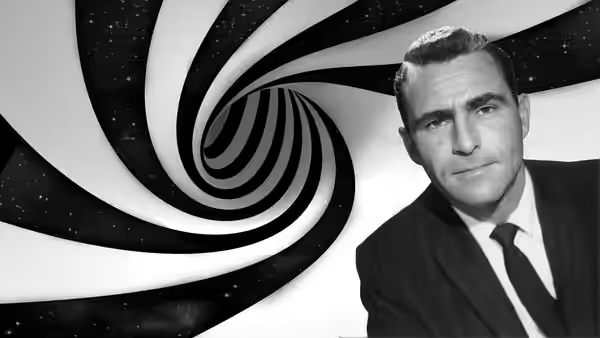
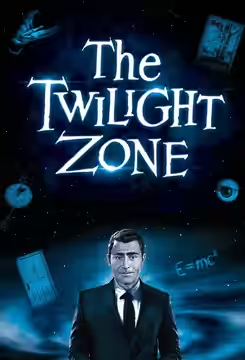
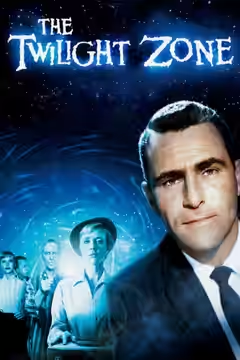
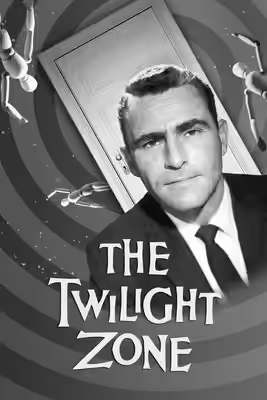
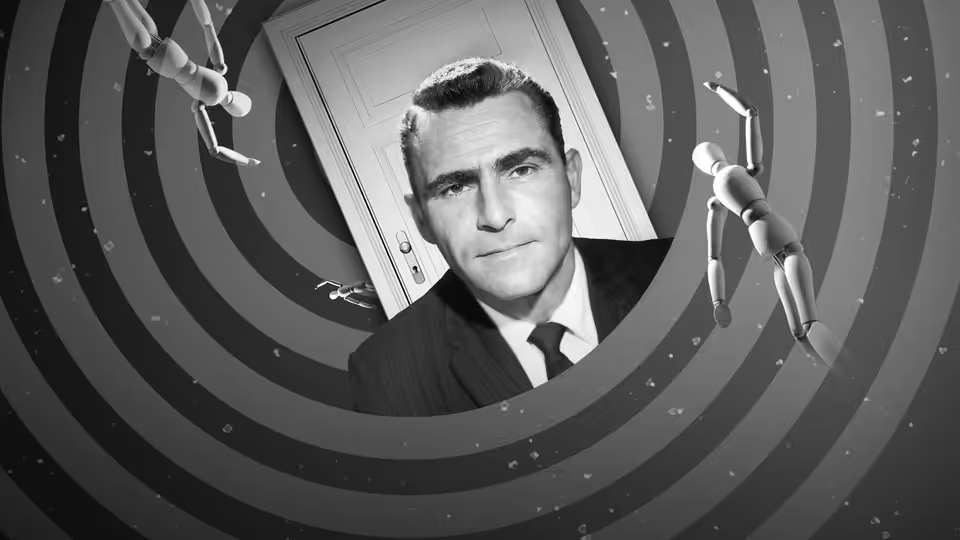
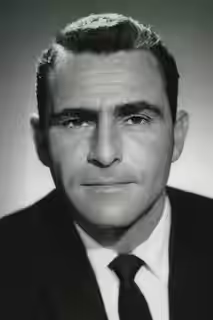
Rod Serling centered in a spiraling tunnel with floating figures and a door
Series review

The Twilight Zone

1959 · Created by Rod Serling · Series · 25m

In a sentenceTwenty-five minutes with Rod Serling, then half an hour looking suspiciously around the sitting room

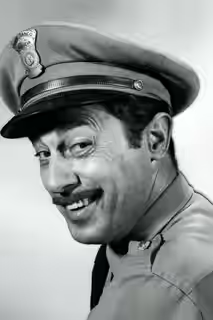
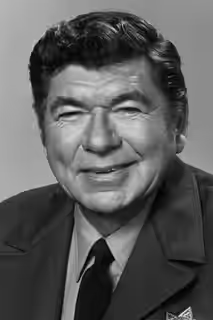
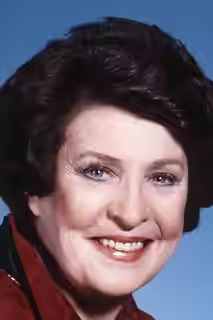
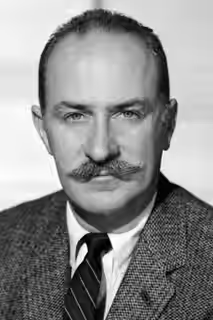
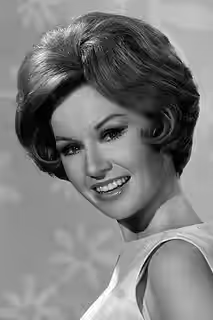
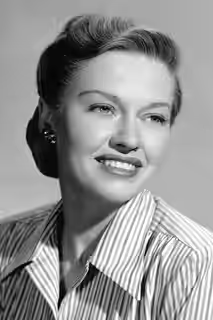
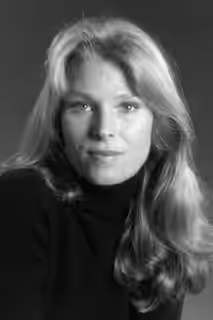
Rod Serling hosts The Twilight Zone, a series of separate stories combining science fiction, fantasy and mystery. There is no single lead to follow through a continuing adventure: each story begins with a different set of people and circumstances. Among them are Steve Brand (Claude Akins), Gregory West (Keenan Wynn) and Alicia (Jean Marsh). Other characters include Franklin Gibbs (Everett Sloane), Ethel Bedeker (Virginia Christine) and Jackie Benson (Pat Crowley). The next instalment brings another story rather than another chapter in the same characters’ lives.

Fi1m review

Rod Serling’s fantasy anthology earns its unease through disciplined storytelling and careful craft. The weaker entries offer less to think about than their premises promise, but we recommend it warmly, one story at a time.

Rod Serling’s The Twilight Zone is an excellent choice when we want a short story to unsettle us, with one reservation: some instalments offer little beyond their central idea. The anthology format gives the programme room to change its cast and begin again, without asking us to wait for a larger plot to become interesting. It takes fantasy seriously and gives suspense time to develop. We recommend it for that patience, while allowing ourselves to be selective.

The opening episode makes a persuasive case for this approach. We were unsettled because its strange events follow a logic we can accept, giving us time to understand the situation and worry about it. That sounds like a modest achievement, but fantasy depends on getting it right. Once a programme persuades us to accept its premise, it can build tension without continually inventing new rules to keep us guessing.

Cinematographers George T. Clemens and Joseph LaShelle are among the contributors, with Lyle Boyer and Roland Gross among the editors. The series has considerable technical assurance, and the debut is particularly effective in the way its photography and cutting work together. Neither calls attention to itself at the expense of the dramatic situation. That restraint suits a programme which needs us to take unlikely events seriously, and the sets support the same effort by giving the drama surroundings that never become a distraction.

The music serves the drama well, with Bernard Herrmann, Franz Waxman and William Lava among the credited contributors. In the opening episode, music, sets and direction help sustain the suspense established by the photography and editing. The pleasure comes from their agreement about what the story needs. An extravagant flourish can make an improbable situation look ridiculous; here the technical work helps us accept it long enough to become involved.

The writing credits include Richard Matheson and Charles Beaumont as well as Rod Serling, and having different writers matters to an anthology. A change of story ought to bring a change of temperament, or the freedom to start again becomes an excuse to repeat the same trick. At its strongest, the programme gives its stories enough dramatic conviction to hold our attention beyond the initial curiosity. We want to spend time with the people caught up in them.

The reservation concerns how much remains once the immediate suspense has passed. The debut is dramatically effective, but we find less insight in it than its confidence leads us to expect. The first season also contains weaker entries, and its 36 episodes should not be mistaken for 36 equally rewarding evenings. A clever situation can carry a short television drama a fair distance; when the characters give us too little to think about, the ingenuity begins to feel like the whole point.

Within fantasy television, The Twilight Zone deserves its standing for the care with which it tells its stories. Its unevenness matters, but there is ample pleasure in a programme that can establish suspense without sprawling. We would start with a single episode and leave room afterwards to decide what it has actually said. Save another for an evening when a fresh story sounds more inviting than another instalment of an unfinished one.
Critical consensus AI synthesised

3 of 6
Positive
3
Mixed
0
Negative
0
Empire
31 March 2011 · Kim Newman
80*

The 1959 debut season is the creepy anthology show that other creepy anthology shows look up to, offering an array of classic episodes amid some lesser filler.

Read the full review →
The Hollywood Reporter
· Harvey Karman
80*

The debut episode scores with dramatic impact and suspense rarely found in TV fantasy, with logical plotting unlike typical sci-fi gimmicks, though it is short on insight. Technical elements like camera, editing, sets, music and direction blend into strong dramatic unity.

Read the full review →
Den of Geek
17 May 2011 · Phil Beresford
85*

The first season of The Twilight Zone is a true classic of genre television and one of the most influential anthology series ever made. It stands out for its high production values and contributions from talents including composers Bernard Herrmann and Jerry Goldsmith, writers Richard Matheson and Charles Beaumont, and actors such as Kevin McCarthy, Jack Warden, Martin Landau, and Vera Miles.

Read the full review →

Straight answers AI written, from our review

Is The Twilight Zone worth watching?
The Twilight Zone is worth watching for anyone who wants a short, carefully built story to unsettle them, and we scored it 84. Rod Serling's anthology takes its fantasy seriously and gives suspense room to develop, though some instalments offer little beyond their central idea. We would take it one episode at a time rather than in bulk.
How long is The Twilight Zone, and what is it rated?
The Twilight Zone has episodes of about 25m. It is a sci-fi & fantasy and mystery series.
Where can I watch The Twilight Zone in Panama?
The Twilight Zone is not on any streaming or rental service in Panama at the moment. It is available in 2 other countries; change your country at the top of the page to see where. Availability is checked daily.
How violent or frightening is The Twilight Zone, and is it suitable for children?
The Twilight Zone carries a UK 12 certificate, and its unease comes from suspense and strange situations rather than violence or gore. The programme works by persuading you to accept an unlikely premise and then worry about it, which suits teenagers and nervous adults better than young children. Anyone squeamish about blood has little to fear here.
How does The Twilight Zone compare to Inside No. 9?
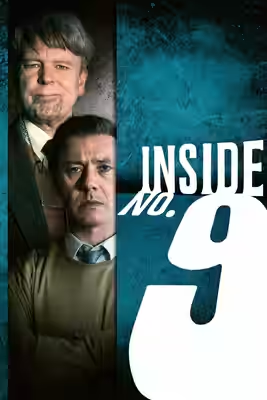
The Twilight Zone and Inside No. 9 are both anthologies that tell a complete story in half an hour, but the British series is crueller, funnier and sadder, while Serling's is more measured and more concerned with unease than laughter. Inside No. 9 is the sharper of the two; The Twilight Zone is the one to choose when you want suspense given time to build.

Cast

Awards

Hugo Awards, 1960

Won
Best Dramatic Presentation

If you liked this, try…

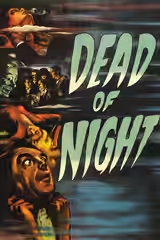
  1. Dead of Night (1945) · not reviewed yetAnother collection of unsettling stories, with room for wit between the scares.

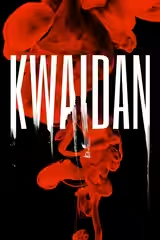
  2. Kwaidan (1964) · not reviewed yetPatiently told ghost stories whose careful staging makes the supernatural feel close.

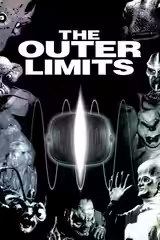
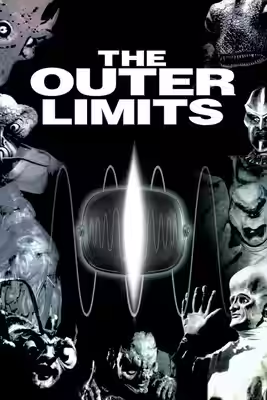
  3. The Outer Limits (1963) · not reviewed yetFor more speculative television that gives an unsettling premise time to develop.

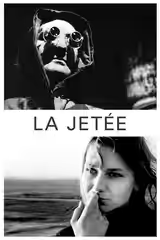
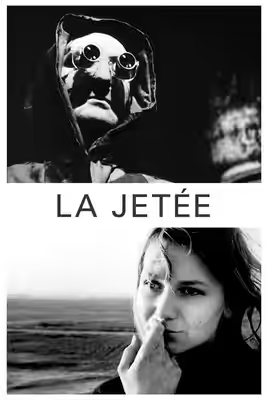
  4. La Jetée (1962) · not reviewed yetA brief science-fiction story that rewards close attention to its precise construction.

  5. Inside No. 9 (2014, Fi1m 84)Compact television stories with sharper comic teeth and similarly little wasted time.

Free account

Know what to watch tonight

Two lists that know where things are streaming, collections you can share, your own score beside ours, and Discover that remembers what you have seen.

  • Want to see, sorted by what is streaming now
  • Seen, with your score out of ten
  • No adverts, ever