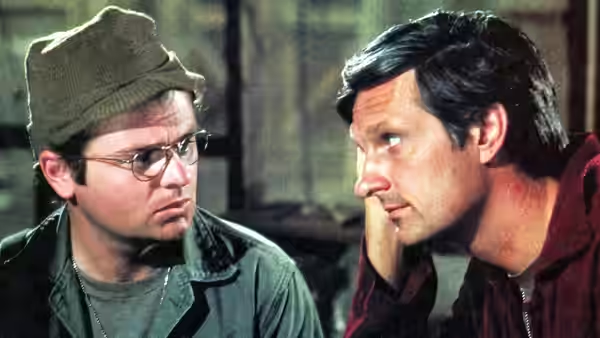
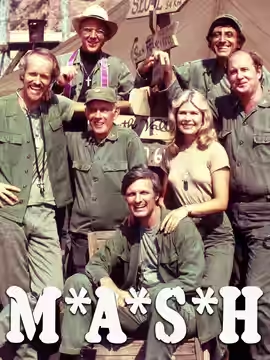
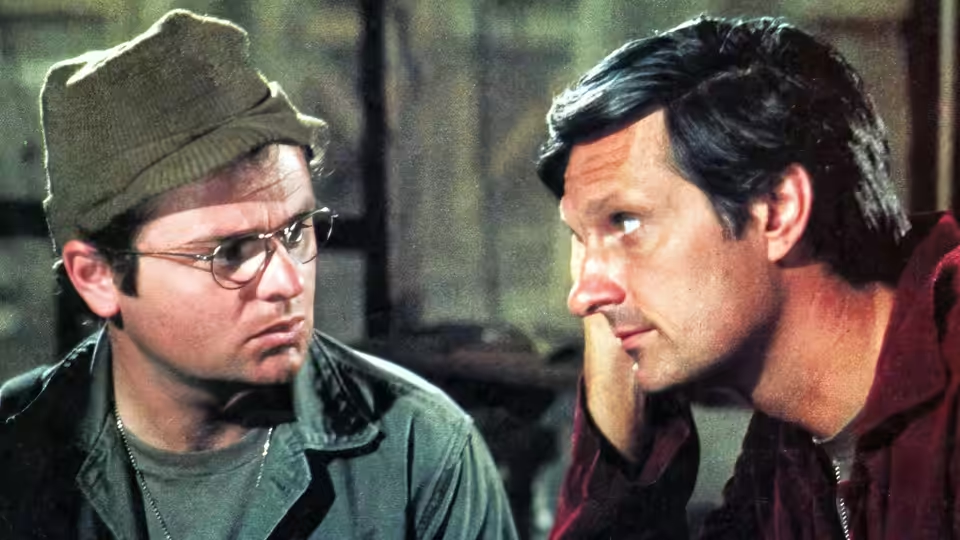
Radar (Gary Burghoff) facing a man in a red shirt
Series review

M*A*S*H

1972 · Created by Larry Gelbart · Series · PISF 12

In a sentenceThe army would find these surgeons easier to discipline if it could afford to do without them

At the 4077th Mobile Army Surgical Hospital in Korea during the Korean War, Hawkeye Pierce (Alan Alda) and Trapper (Wayne Rogers) treat wounded soldiers while trying to keep army routine from taking over their lives. Henry Blake (McLean Stevenson) is nominally in charge; Frank Burns (Larry Linville) and Margaret Houlihan (Loretta Swit) want discipline observed. Between the operating theatre and the shared quarters, Hawkeye Pierce looks for drink, company and ways around orders. The patients keep arriving, leaving the staff to fit their off-duty schemes around the work the war sends them.

Fi1m review

Larry Gelbart’s MASH* is a funny, humane war comedy with a few stubborn blind spots. Alan Alda leads an ensemble worth getting to know, provided we can forgive the dated jokes and occasional lectures.

Larry Gelbart’s MASH* is funny, humane television, worth the occasional stale joke and the more irritating occasions when it explains its own decency. Its Korean War setting puts people who can save lives inside an organisation that keeps sending them casualties. The comedy comes from their attempts to do the work without accepting all the rules that surround it. That is a durable basis for a series, and the pleasure is in how differently these people respond to the same pressure.

Alan Alda gives Hawkeye Pierce the charm required to make persistent insubordination enjoyable, though he sometimes enjoys being right a little too visibly. The delivery is quick, but the face can register fatigue before the next line has arrived. We were moved by those brief lapses in his cheerfulness, because the effort of keeping everyone amused suddenly becomes visible. Wayne Rogers, as Trapper, makes a useful companion: the banter feels shared rather than merely supplied for the leading man.

McLean Stevenson finds something endearing in Henry Blake’s difficulty with authority, including his own. Larry Linville has a tougher assignment as Frank Burns, who too often seems to have entered the scene solely to lose an argument. Loretta Swit gives Margaret Houlihan a firmness that deserves more than being treated as an obstacle to the men’s fun. The jokes at her expense can make the programme’s generosity look rather selective.

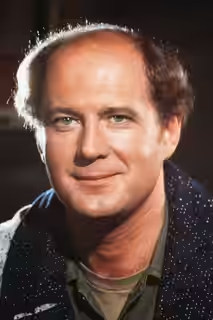
Mike Farrell’s B. J. Hunnicutt offers a quieter kind of company, and David Ogden Stiers gives Charles Winchester enough intelligence to make disagreement worth hearing. Harry Morgan’s Sherman Potter brings steadiness without draining the comedy from a scene. These performances matter to a series that gradually lets its people become more complicated than their first joke suggests. The tenderness is most persuasive when it comes from their dealings with one another, without a speech explaining why we should care.

The visual approach, with William B. Jurgensen among the cinematographers, is plain enough to seem negligible until we notice how much of the comedy depends on watching several people at once. It serves the performances without making the war inviting to look at. Stanford Tischler’s editing gives the answering look its place alongside the spoken joke, so the exchanges feel conversational even when the lines are carefully arranged. Johnny Mandel’s music supplies a melancholy that sits usefully beneath all this compulsive good humour.

Less persuasive is the habit of stopping to deliver the lesson. Alan Alda can give a reprimand conviction, but when Hawkeye Pierce is allowed the last word too insistently, a conversation begins to feel like an address. For a comedy so alert to the absurdity of being ordered about, it can be surprisingly bossy about the correct response. The writing is better when another character can puncture that certainty, and the ensemble is strong enough to do so without derailing the scene.

As a war comedy, it is unusually affectionate towards the people it mocks. That can soften its anger, but it also gives the jokes people worth returning to across eleven seasons. The patience pays off in the growing familiarity of these performances, rather than any obligation to admire a celebrated programme. Give it a little patience; the company is worth getting to know.

Critical consensus AI synthesised

79
Positive
5
Mixed
0
Negative
0
Vulture
2 July 2015
80*

The critic recommends binge-watching the full series as an essential classic that rewards patience despite its length and dated elements. They single out the complex, evolving characters and the show's blend of ribald humor with emotional depth and anti-war themes for praise.

Read the full review →
The Hollywood Reporter
17 September 1972 · Sue Cameron
70*

If you liked the movie, you’ll like the series. It features the same absurd attitude and characters from the film, with Alan Alda strong as Hawkeye, though the overall casting is uneven.

Read the full review →
The Times
11 October 2003 · Nigel Kendall
70*

The DVD set offers 24 episodes of the Korean War comedy at a point where the show was still finding its feet, with some cast changes ahead. It recalls how shocking the series was in the early 1970s amid the Vietnam War and notes its enduring ability to make viewers think and laugh.

Read the full review →
Collider
16 May 2023 · Jeremy Urquhart
90*

The critic finds the long-running dramedy remarkably timeless and still worth watching decades later. They single out its strong character development over many seasons, expert balance of comedy and drama, bold anti-war themes, and innovative episodes as reasons it holds up so well.

Read the full review →
Paste
9 September 2022 · Lauren Coates
90*

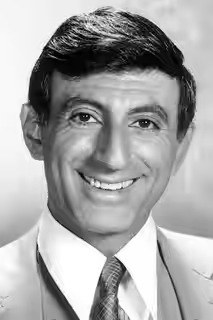
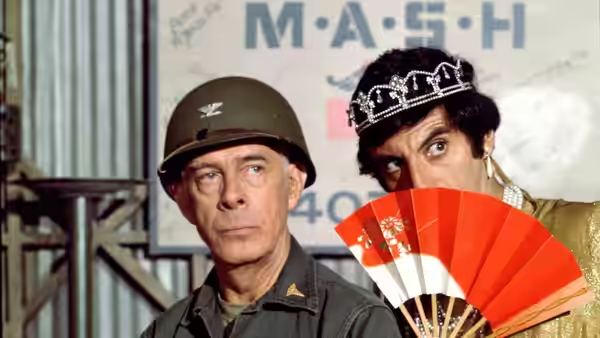
The critic celebrates MAS*H as one of television's most influential and cherished comedies that evolved into a poignant anti-war drama tackling themes like racism and homosexuality with humor intact. She singles out the warm, supportive friendship between cross-dressing Corporal Klinger and Father Mulcahy as a standout progressive element of the show's ensemble and writing.

Read the full review →

Straight answers AI written, from our review

Is M*A*S*H worth watching?
MASH* is worth watching for anyone who wants a war comedy that likes its people, and we scored it 85. Alan Alda leads an ensemble that grows more complicated across eleven seasons, and the jokes are warmer than they are angry. Allow for some stale humour, a few lectures and a habit of treating Margaret Houlihan as an obstacle.
How long is M*A*S*H, and what is it rated?
MASH* is rated 12 by the PISF in Poland. It is a war & politics and drama series.
Where can I watch M*A*S*H in Poland?
MASH* is streaming on Disney+ in Poland. Availability is checked daily; the links above go straight to each service.
How violent or frightening is M*A*S*H, and is it suitable for children?
MASH* is a 12 in the UK and TV-PG in the US, and its Korean War setting means wounded soldiers arrive in every episode, though the comedy keeps the operating theatre from becoming grim. There is drinking, insubordination and some jokes at the expense of the women. It suits older children and teenagers rather than the very young.
How does M*A*S*H compare to The Life and Death of Colonel Blimp?
MASH and [The Life and Death of Colonel Blimp*](/film/the-life-and-death-of-colonel-blimp) both show affection for people in uniform without trusting their judgement, but one is an eleven-season comedy and the other a single film about friendship and ageing. Blimp is the more moving and the more complete work. The series offers company over a longer stretch, with a lighter touch and a few more lectures.
Is M*A*S*H based on a true story or a book?
MASH* is based on a novel by Richard Hooker rather than a true story, though it is set at a mobile army surgical hospital during the real Korean War. You do not need to know the book to follow the series, which quickly becomes its own thing. The pleasure is in the performances, not in fidelity to a source.
What should I watch after M*A*S*H?
After MASH, try [The Life and Death of Colonel Blimp](/film/the-life-and-death-of-colonel-blimp) (1943, Fi1m 91): For affection towards people in uniform without automatic faith in their judgement. Then [No Man's Land](/film/no-mans-land) (2001, Fi1m 77): A harsher wartime farce, equally alert to the lethal absurdity of procedure; and [Detectorists*](/tv/detectorists) (2014, Fi1m 87): For the ensemble warmth, patient character work and jokes that permit tenderness.

Cast

If you liked this, try…

  1. Catch-22 (1970) · not reviewed yetAnother military comedy where following orders can be the least sensible option.

  2. The Life and Death of Colonel Blimp (1943, Fi1m 91)For affection towards people in uniform without automatic faith in their judgement.

  3. No Man's Land (2001, Fi1m 77)A harsher wartime farce, equally alert to the lethal absurdity of procedure.

  4. Detectorists (2014, Fi1m 87)For the ensemble warmth, patient character work and jokes that permit tenderness.

  5. To Be or Not to Be (1942, Fi1m 87)People behave outrageously under occupation, while the comedy keeps the danger close.

Free account

Know what to watch tonight

Two lists that know where things are streaming, collections you can share, your own score beside ours, and Discover that remembers what you have seen.

  • Want to see, sorted by what is streaming now
  • Seen, with your score out of ten
  • No adverts, ever